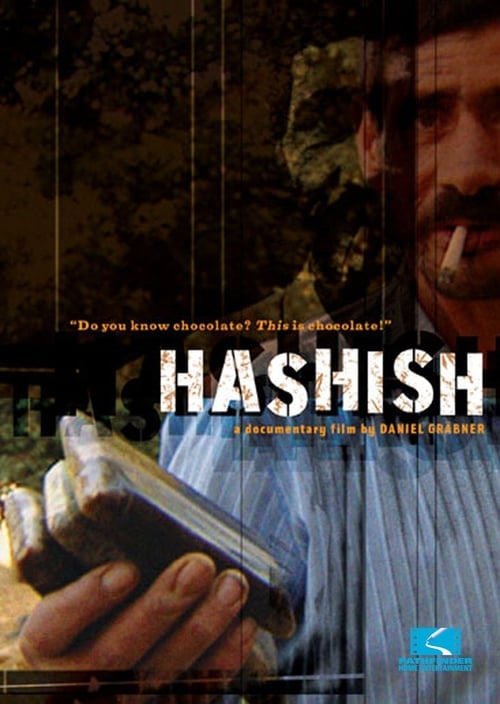
Hashish
2002
No user ratings available yet
Representation score: 3.6 out of 10

Representation Score
Fair
2021
Not RatedDirector
Jessica Beshir
Runtime
120 minutes
Average Rating
No ratings yetNew Showbiz Analysis
Jessica Beshir’s documentary is a sophisticated exploration of identity and systemic friction. By focusing on the lived experiences of North African diaspora youth in Montreal, the film challenges Western-centric views and avoids an outsider’s perspective. The work effectively dismantles monolithic views of immigrant communities. It uses the ritual of khat to explore the intersection of spiritual practice and socioeconomic realities in urban settings. While the film lacks LGBTQ+ or disability-focused narratives, it succeeds as a post-colonial critique. It elevates diaspora voices, presenting identity as a dynamic experience shaped by the tension between ancestral tradition and contemporary reality.
Category Breakdown
The film centers on the brotherhood and social dynamics among young men within a specific cultural and religious context. There are no explicit LGBTQ+ narratives or representations of non-straight identities.
The documentary provides a nuanced look at male social dynamics and the pressures of masculinity. It highlights the ability to act and vulnerability of its subjects, moving beyond typical tough-guy immigrant stereotypes.
The film excels in highlighting Maghrebi and North African identities. It avoids including someone from a minority group without giving them real depth by allowing subjects to drive the narrative through their own cultural traditions and rituals.
The narrative is deeply rooted in post-colonial themes and the complexities of Islamic identity. It explores the tensions between diaspora communities and the dominant French-Canadian society.
There is no significant evidence suggesting that neurodivergence or physical disabilities play a central role in the narrative arc or character development.
Present on Screen
Limited or Absent
Official Synopsis
A spiritual journey into the highlands of Harar, immersed in the rituals of khat, a leaf Sufi Muslims chewed for centuries for religious meditations – and Ethiopia’s most lucrative cash crop today. A tapestry of intimate stories offers a window into the dreams of youth under a repressive regime.
2002
2011
2013
2020
2007
2004
1997
2017
No reviews yet. Be the first to share your thoughts on this movie!
Use the rating form above to leave a star rating and optional review.