The Mistral
1966
No user ratings available yet
Representation score: 2.1 out of 10
Representation Score
Limited
1989
Director
Joris Ivens, Marceline Loridan-Ivens
Runtime
80 minutes
Average Rating
No ratings yetNew Showbiz Analysis
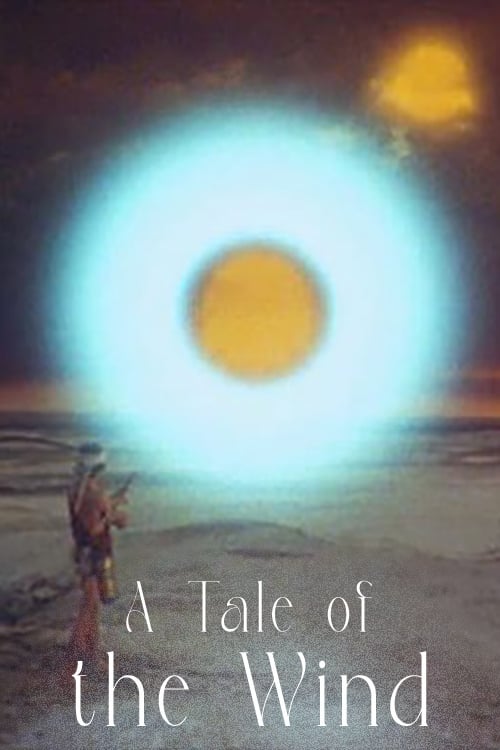
A Tale of the Wind is a post-colonial meditation that prioritizes the ability to act of the Tuareg people. By centering an indigenous worldview, the film presents a sophisticated critique of modern nation-states and fixed territoriality. However, the film lacks representation in other key areas, such as LGBTQ+ narratives and specific depictions of disabilities. Gender roles remain tied to traditional social structures.
Category Breakdown
There are no LGBTQ+ characters or narratives in the film.
The film focuses on autobiographical reflection and traditional social structures, avoiding patriarchal dominance by emphasizing a symbiotic relationship with the environment.
The film highlights the Tuareg people, providing them a significant role in driving the story and disrupting Western-centric viewpoints by centering an indigenous worldview.
The narrative challenges the dominance of modern nation-states by documenting the nomadic lifestyle and non-capitalist survival methods of the Tuareg.
The film does not include any specific depictions of physical or neurodivergent disabilities.
Present on Screen
Limited or Absent
Official Synopsis
It is an autobiographical fiction starring Ivens as an old man who has spent his life trying to "tame the wind and harness the sea" by capturing them on film.
1966
2008
2021

1929
2006

2014

1972
2013
No reviews yet. Be the first to share your thoughts on this movie!
Use the rating form above to leave a star rating and optional review.