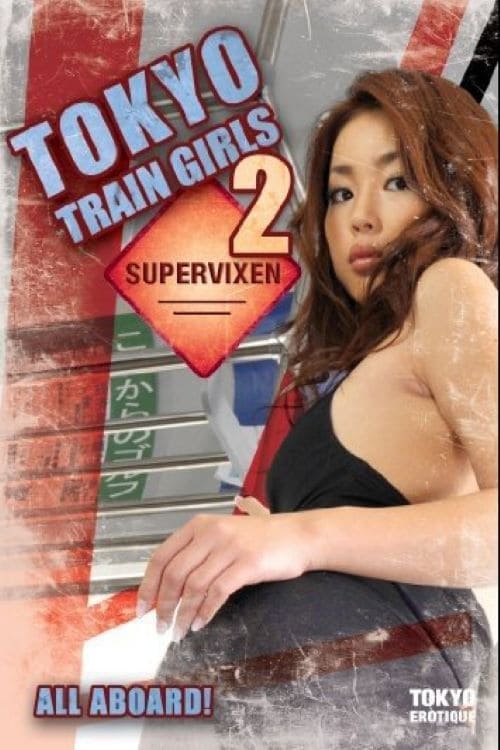
Tokyo Train Girls 2: Supervixen
2008
No user ratings available yet
Diversity score: 2.6 out of 10
2006
Director
Tadashi Kyouya
Runtime
74 minutes
Average Rating
No ratings yetSynopsis
Akiko is the heiress of a lumber business family that spans many generations. She married Hiroshi, a company man, and was leading a plain and happy life. But dark clouds overcast Akiko’s happy life when Hiroshi starts an affair with Michiyo, an underclassman from the school Akiko attended. Then Shinji, who used to work in the family lumber business, enters her life the turmoil of men-women relationships becomes tempestuous.
Overall Score
Limited
Category Breakdown
LGBTQ+ Representation
The narrative focuses on heteronormative relationship structures and marital dissolution. There is no evidence of queer narratives or non-cisnormative identities.
Gender Representation
Akiko serves as the central figure navigating the fallout of male infidelity. While she drives the emotional core, her agency is largely tied to her reactions to men.
Racial & Ethnic Diversity
The film presents a culturally homogeneous setting. The social strata described reinforce a traditional, ethnically uniform structure without evidence of racial blending.
Religious & Cultural Diversity
The story critiques the stability of traditional marriage by deconstructing the 'ideal' family unit. It focuses on individualistic turmoil rather than systemic or anti-capitalist themes.
Disability Representation
There is no mention or evidence regarding the portrayal of physical or neurodivergent disabilities.
Strengths
Areas for Improvement
AI Analysis
The film operates as a character study of domestic tension and shifting social dynamics. It centers on the disruption of a stable family life through infidelity and interpersonal conflict. While the drama explores the volatility of established social roles, it does so within a highly conventional framework. The narrative lacks intersectional depth, focusing instead on traditional romantic competition and domestic upheaval. Ultimately, the work remains rooted in a homogeneous social structure, prioritizing individual melodrama over broader systemic or diverse representation.
2008

2006

1966

1985

1982

2014

2021

2004
1970

2006

1961

1971
No reviews yet. Be the first to share your thoughts on this movie!
Use the rating form above to leave a star rating and optional review.