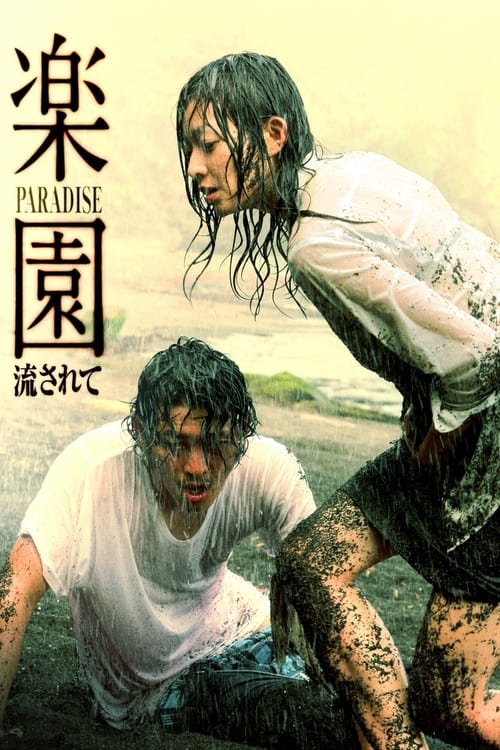
Paradise: Carried Away
2006
No user ratings available yet
Diversity score: 4.1 out of 10

2006
Director
Tōru Kamei
Runtime
74 minutes
Average Rating
No ratings yetSynopsis
Chiho has prohibited her husband, Takahashi, from smoking while she is trying to become pregnant. Takahashi hasn’t told his wife he was laid off, and has a paid sexual encounter with a high-school student, attracted by the pungent odor of her cigarettes, Peace Regulars.
Overall Score
Limited
Category Breakdown
LGBTQ+ Representation
The film lacks LGBTQ+ characters or narratives addressing non-cisnormative identities. The central conflict remains rooted in traditional domestic and reproductive dynamics.
Gender Representation
Chiho exerts agency by setting health boundaries for pregnancy, while Takahashi's role is defined by deception. The story deconstructs the stable provider trope through his infidelity and job loss.
Racial & Ethnic Diversity
As a Japanese production based on local literature, the film reflects a homogeneous social environment. There is no evidence of multi-ethnic casting or diverse representation.
Religious & Cultural Diversity
The narrative explores individual moral ambiguity and situational ethics within a Japanese social context. It focuses on personal dysfunction rather than critiques of religion or capitalism.
Disability Representation
There is no information regarding the inclusion of characters with physical, neurodivergent, or mental health disabilities.
Strengths
Areas for Improvement
AI Analysis
The film functions as a character-driven domestic drama that avoids idealized family structures. By highlighting infidelity and professional instability, it presents a realistic, if flawed, view of marriage. However, the narrative lacks intersectional complexity. It focuses on individual moral failings and personal psychological struggles rather than deconstructing broader social or identity-based power structures. Ultimately, the film remains localized within a traditional framework, offering little in the way of systemic critique or diverse representation.
2006
2006

1985
2006
1995

1982
2015
2006

2015

2021

2012

1935
No reviews yet. Be the first to share your thoughts on this movie!
Use the rating form above to leave a star rating and optional review.