The Farmer Forsworn
1941
No user ratings available yet
Representation score: 1.6 out of 10
Representation Score
Limited
1949
Director
Teuvo Tulio, Roland af Hällström
Runtime
105 minutes
Average Rating
No ratings yetNew Showbiz Analysis
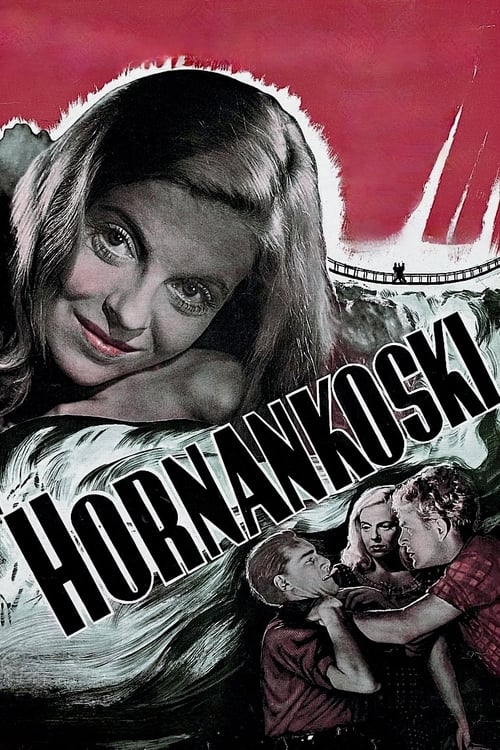
Hornankoski is a Finnish melodrama from the mid-20th century that adheres to the demographic and social norms of its time. The story is built around traditional clichés of brotherly rivalry and romantic obsession, lacking in-depth exploration of diverse identities. While the film examines moral ambiguity and psychological extremes, it stays within a conventional framework that assumes everyone is straight and cisgender. The central conflict focuses on male competition for a female character, limiting the scope of diverse representation. Overall, the film serves as a character study of obsession rather than a tool for social critique, reflecting the homogeneous nature of Finnish cinema in 1949.
Category Breakdown
The film doesn't include any LGBTQ+ characters or stories that challenge the idea that everyone is straight. The main conflict revolves around two brothers competing for a single woman.
Lea is the central figure who drives the conflict in the story. However, she mainly appears as an object of desire rather than a character with her own goals and decisions.
The movie is set in rural Finland in 1949, suggesting a largely homogeneous cast with no visible non-white or non-Anglo-Saxon actors.
The story delves into moral ambiguity and situational ethics. Artturi manipulates a life-saving situation, highlighting the darker, opportunistic side of human nature.
There is no evidence of physical or neurodivergent disabilities being portrayed in this film.
Present on Screen
Limited or Absent
Official Synopsis
The brothers of Yli-Koskela farm fall for the same woman. Then Aarne believes he has killed a man. Artturi sees the case and saves the man from drowning to the rapids. He takes advantage of the situation and tells the woman, Lea, that his brother is a murderer.
1941
1951
1950
1938
1953
1922
1946
1951
No reviews yet. Be the first to share your thoughts on this movie!
Use the rating form above to leave a star rating and optional review.