
Beautiful Sisters: Stripped!
1985
No user ratings available yet
Representation score: 3.8 out of 10
Representation Score
Limited
1982
Director
Yasuaki Uegaki
Runtime
70 minutes
Average Rating
No ratings yetNew Showbiz Analysis
Pink Curtain is a conventional domestic drama that prioritizes individual psychological tension over social or systemic representation. The narrative tension is derived from traditional taboos rather than the disruption of power dynamics or the centering of underrepresented identities. The film operates within a narrow, homogeneous framework, lacking the structural elements necessary to engage with storytelling that reflects multiple aspects of identity.
Category Breakdown
The film centers on a traditional sibling dynamic and lacks queer narratives or non-cisgender identities, focusing instead on taboo-driven lust.
Okuyama is portrayed as romantically inadequate, while Noriko maintains a significant role in driving the story by setting emotional boundaries. However, the conflict relies heavily on the male gaze.
As a Japanese production, the film presents a localized, homogeneous setting. It does not feature a multi-ethnic cast or diverse cultural identities.
The story explores domestic dysfunction and individual psychological struggles. It avoids systemic critiques or the deconstruction of traditional institutions.
There is no evidence of characters navigating physical, neurodivergent, or mental health disabilities within the narrative.
Present on Screen
Limited or Absent
Official Synopsis
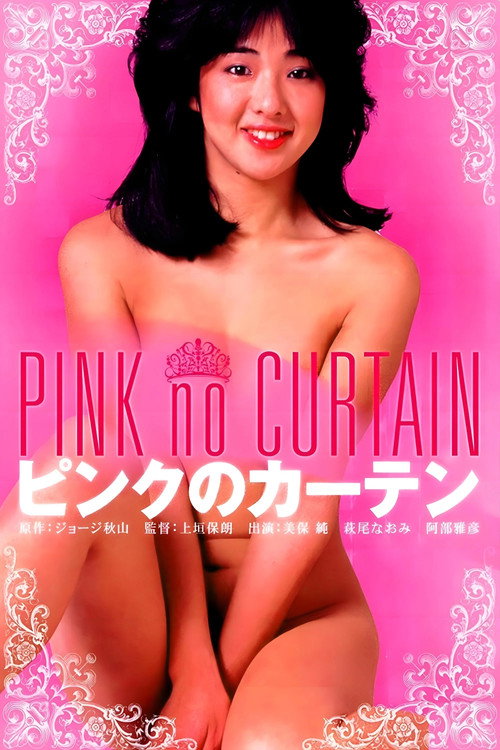
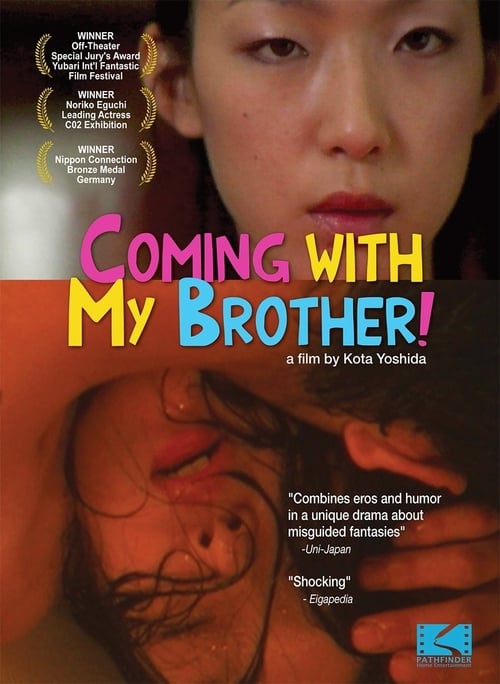
Okuyama is a stocker at the supermarket who has no luck with women. His life is thrown upside down when his sister Noriko unexpectedly moves into his small apartment. Okuyama is overcome with lustful thoughts for her, but she regards him simply as a brother.
1985
1961
1983
1997
1985
1986
1985
2006
No reviews yet. Be the first to share your thoughts on this movie!
Use the rating form above to leave a star rating and optional review.