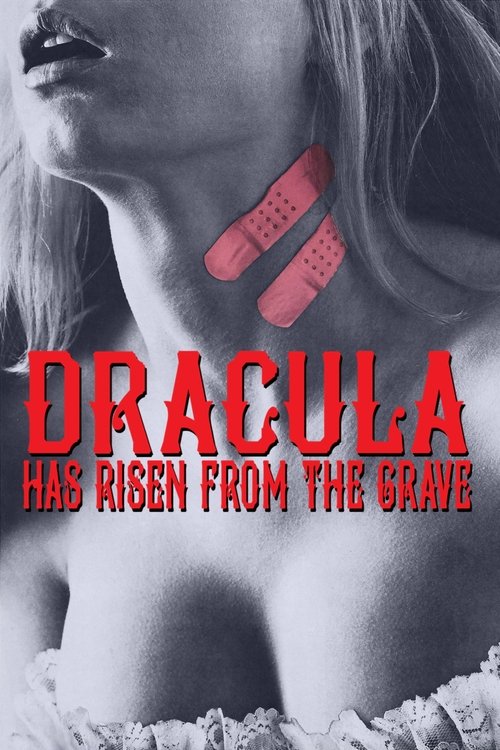
Dracula Has Risen from the Grave
1968
No user ratings available yet
Representation score: 0.3 out of 10
Representation Score
Limited
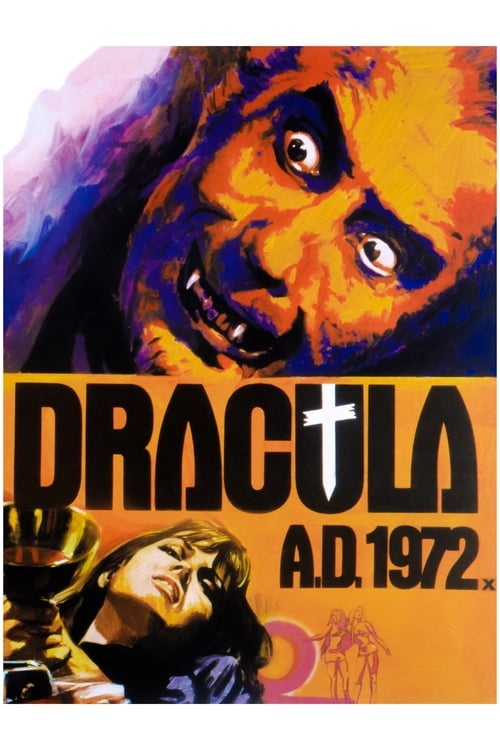
1972
PGDirector
Alan Gibson
Runtime
96 minutes
Average Rating
No ratings yetNew Showbiz Analysis
Dracula A.D. 1972 disrupts traditional Gothic clichés by placing the vampire mythos in the liberated, secular landscape of 1970s London. Its strength lies in portraying the clash between Victorian moralism and the 'swinging' era's social hierarchies. However, the film remains limited by a homogeneous cast and a lack of representation for LGBTQ+ individuals or people with disabilities. The narrative focuses narrowly on a specific Western youth subculture, limiting broader social diversity.
Category Breakdown
The film does not include any characters or stories related to LGBTQ+ identities. The social dynamics focus on the youth culture of the time without addressing queer identities.
Female characters show independence and assertiveness typical of the 1970s mod lifestyle. They challenge older, more passive roles through increased confidence and action.
The cast is predominantly made up of people from similar backgrounds, reflecting a specific Western youth aesthetic. There is a lack of intentional racial diversity within the London subculture.
The story highlights a conflict between young people's disregard for historical and religious traditions and the older generation's adherence to them. It contrasts a secular, liberated present with an ancient, ritualistic past.
There are no depictions of visible or invisible disabilities. Characters with disabilities are not used in the narrative.
Present on Screen
Limited or Absent
Official Synopsis
Set in London in the early 1970's, supposedly for teen thrills, Johnny organises a black magic ceremony in a desolate churchyard. The culmination of the ritual, however, is the rejuvenation of Dracula from shrivelled remains. Johnny, Dracula' s disciple, lures victims to the deserted graveyard for his master's pleasure and one of the victims delivered is Jessica Van Helsing. Descended from the Van Helsing line of vampire hunters her grandfather, equipped with all the devices to snare and destroy the Count, confronts his arch enemy in the age-old battle between good and evil.
1968
1970
1970
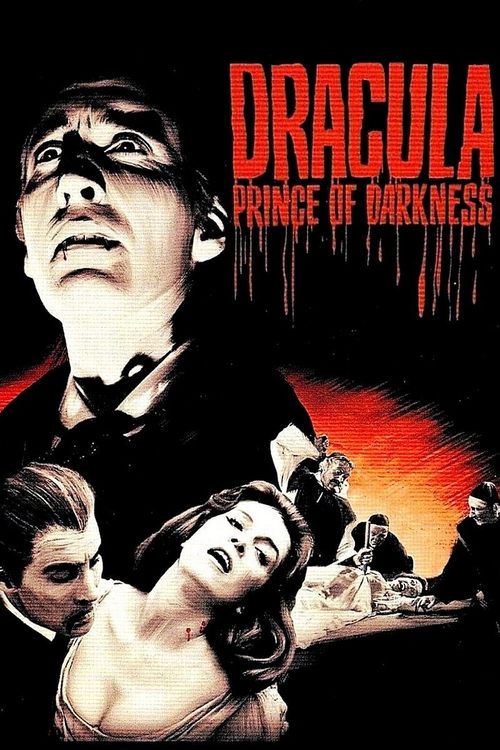
1966

1958
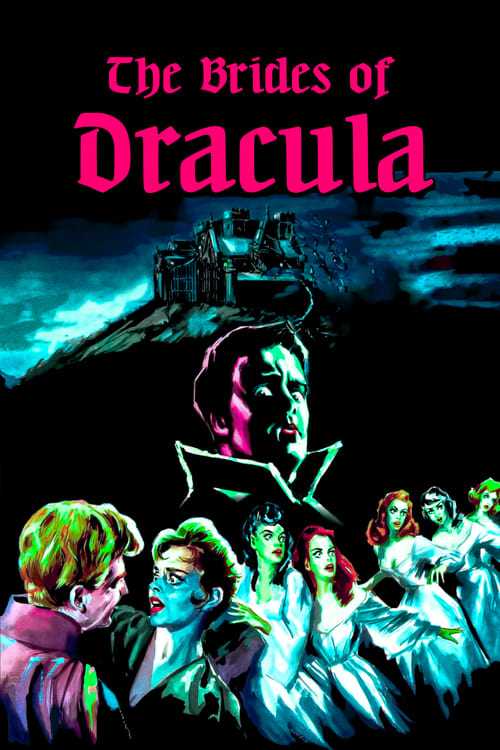
1960
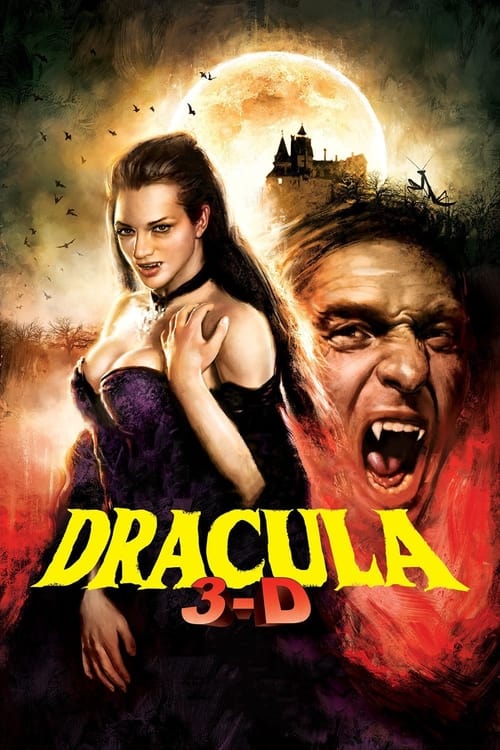
2012
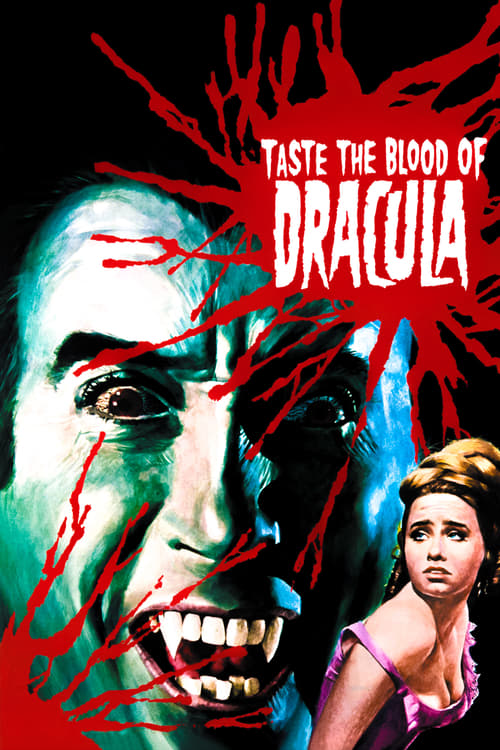
1970
No reviews yet. Be the first to share your thoughts on this movie!
Use the rating form above to leave a star rating and optional review.