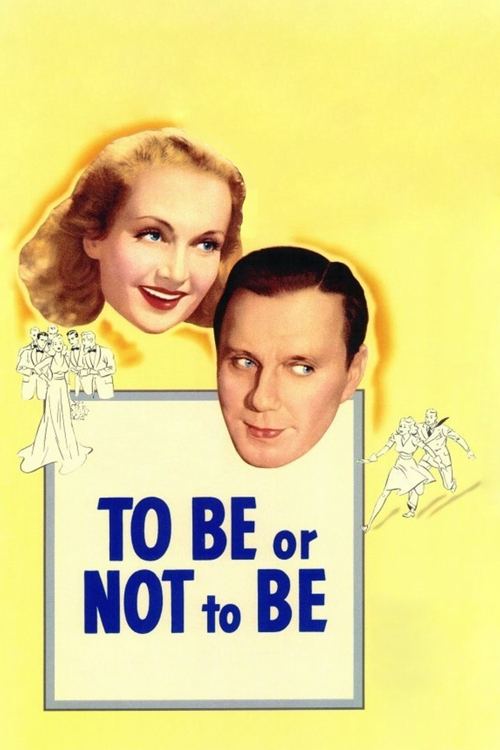
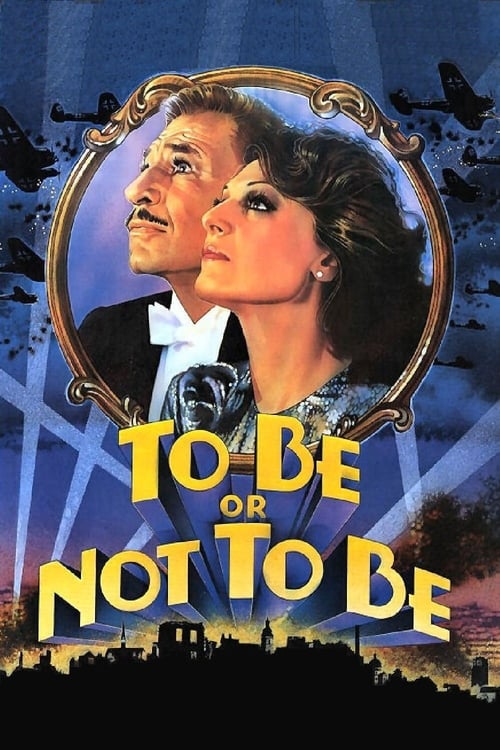
To Be or Not to Be
1942
No user ratings available yet
Representation score: 8.1 out of 10
Representation Score
Fair
1983
PGDirector
Alan Johnson
Runtime
107 minutes
Average Rating
No ratings yetNew Showbiz Analysis
The film uses parody to challenge historical trauma and disrupt traditional hierarchies. It successfully subverts gendered power dynamics and engages with queer subtext through its central characters. However, the reliance on ethnic archetypes for comedic effect prevents a higher score in racial and ethnic representation. The focus remains on performers navigating systemic corruption rather than nuanced cultural exploration. Overall, the work serves as a critique of authority, using absurdity to highlight the resilience of identity against institutional oppression.
Category Breakdown
The film includes the character of Frederick Bronski, who navigates his queer identity during World War II through humor. This approach breaks away from typical wartime dramas.
Anna is portrayed who play a significant role in driving the story and autonomy, showing her strength and independence rather than portraying her as a submissive figure. The narrative emphasizes a complex domestic relationship where she retains her own social and romantic power.
The story centers around a Polish ensemble facing Nazi invasion. However, the humor sometimes leans on Polish stereotypes, limiting the depth of ethnic representation.
The film employs satire to critique systemic oppression and corrupt institutions. It highlights individual ability to act and survival over strict patriotic or institutional loyalty within a landscape of censorship.
There is no evidence of characters with visible or invisible disabilities playing a central role in the narrative arc.
Present on Screen
Limited or Absent
Official Synopsis
A bad Polish actor is just trying to make a living when Poland is invaded by the Germans in World War II. His wife has the habit of entertaining young Polish officers while he's on stage, which is also a source of depression to him. When one of her officers comes back on a Secret Mission, the actor takes charge and comes up with a plan for them to escape.
1942
1946

1984
1999
1940
1948

2016
1970
No reviews yet. Be the first to share your thoughts on this movie!
Use the rating form above to leave a star rating and optional review.