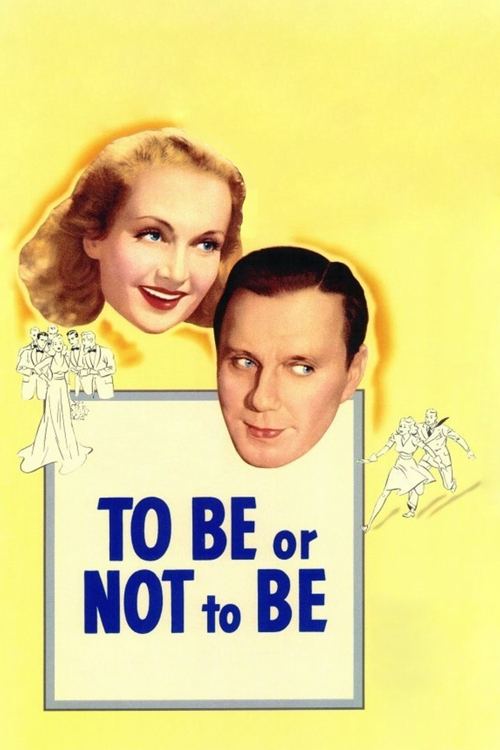
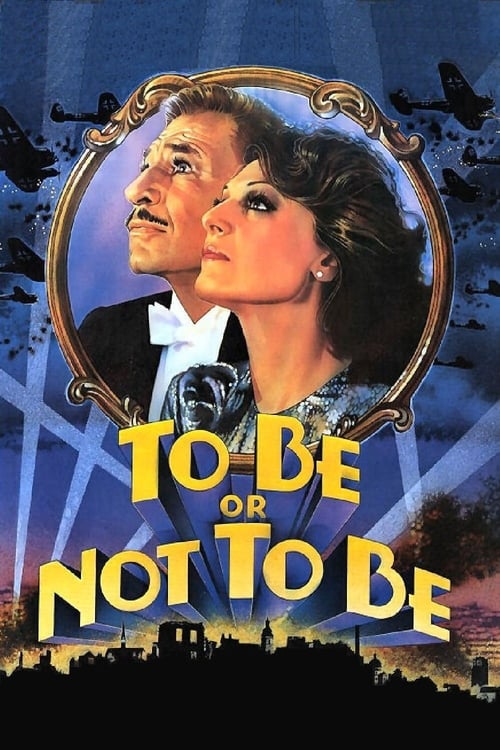
To Be or Not to Be
1942
No user ratings available yet
Representation score: 8.1 out of 10
Representation Score
Minimal
1946
NRDirector
Archie Mayo
Runtime
85 minutes
Average Rating
No ratings yetNew Showbiz Analysis
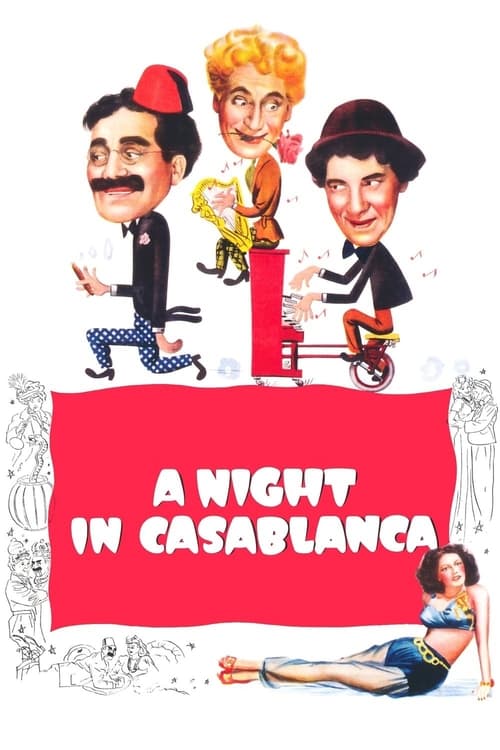
A Night in Casablanca is a classic product of the mid-century studio system, focusing on escapist comedy rather than social critique. While the screwball genre allows for some subversion of gender hierarchies through clever female characters, the film remains rooted in the traditional social norms of its time. The North African setting is primarily used as a theatrical backdrop rather than a space for meaningful cultural exploration. The film does not intentionally address racial or disability representation, maintaining the Western-centric views common to 1946 cinema. Ultimately, the film prioritizes comedic pacing and romantic clichés, reinforcing rather than challenging the cultural and patriarchal hierarchies of its era.
Category Breakdown
The film follows the social norms of 1946, where romantic subplots are limited to traditional heterosexual relationships, and there is no representation of non-straight or non-cisgender identities.
Female characters use their wit and verbal skills to navigate the comedic situations. However, these roles are still tied to traditional romantic resolutions and patriarchal structures.
The North African setting is mainly used as a backdrop for comedy. The casting reflects typical studio practices, with no characters of color having significant roles in driving the plot.
The narrative functions as an escapist comedy without challenging colonial or Western perspectives. It operates within the moral and comedic conventions of the 1940s studio era.
There are no visible or invisible disabilities portrayed, nor are characters with disabilities used as central plot devices.
Present on Screen
Limited or Absent
Official Synopsis
The Marx Brothers are employed at a hotel in postwar Casablanca, where a ring of Nazis is trying to recover a cache of stolen treasure.
1942
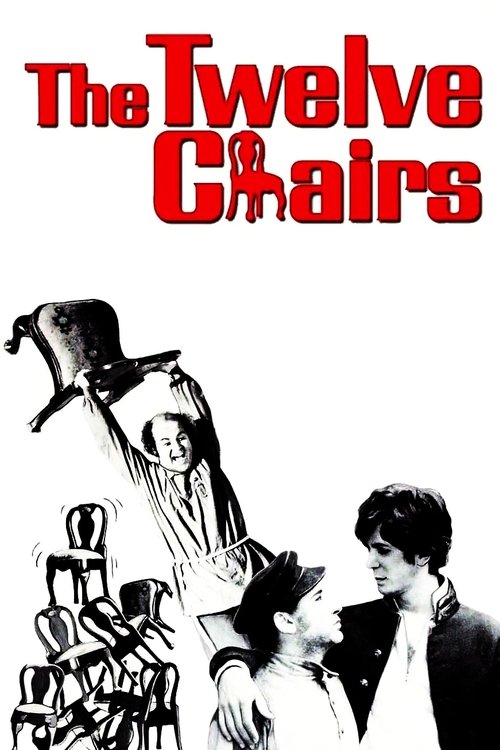
1970
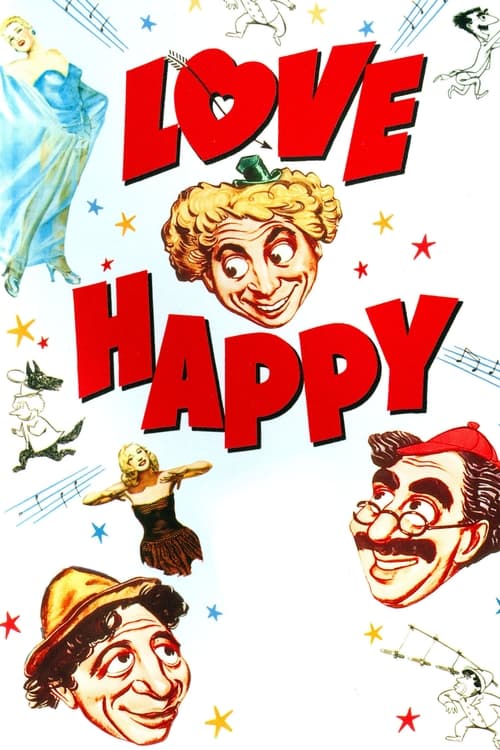
1949
1951
1943
1948
1983
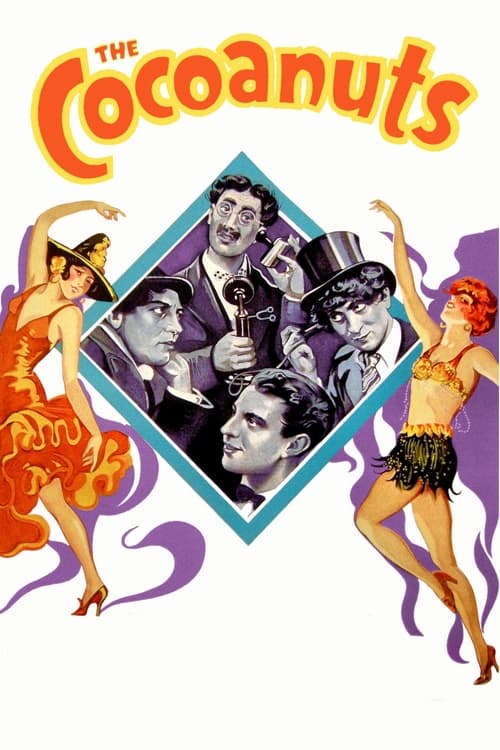
1929
No reviews yet. Be the first to share your thoughts on this movie!
Use the rating form above to leave a star rating and optional review.