Operation Petticoat
1959
No user ratings available yet
Representation score: 0.6 out of 10
Representation Score
Minimal
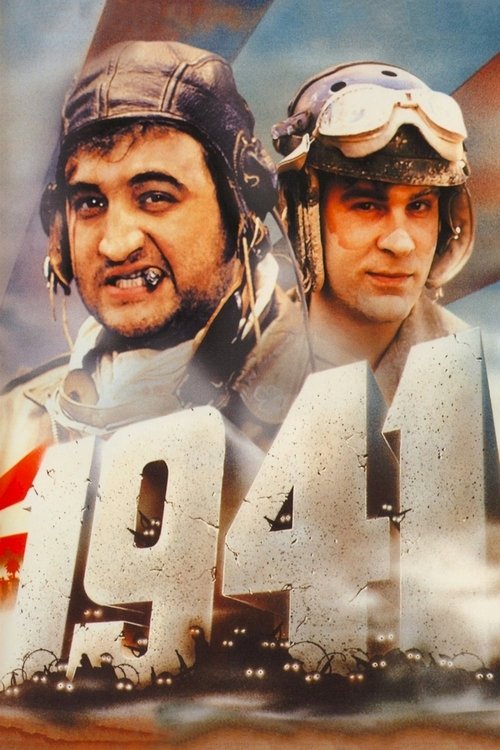
1979
PGDirector
Steven Spielberg
Runtime
118 minutes
Average Rating
No ratings yetNew Showbiz Analysis
Steven Spielberg’s 1941 is a maximalist ensemble piece that prioritizes the deconstruction of national myths over demographic representation. It functions as a cynical, postmodern critique of American institutions, portraying military and social structures as sources of absurdity and dysfunction. While the film excels in cultural subversion by mocking patriotism and systemic stability, it remains tethered to the social constraints of its setting. This results in a narrative that captures historical paranoia but fails to provide multi-layered visibility. Ultimately, the film's strength lies in its institutional skepticism, though this is heavily offset by a lack of diversity in gender, race, and identity.
Category Breakdown
The film does not include any LGBTQ+ characters or explore non-straight relationships. It focuses on traditional wartime dynamics without addressing queer identities.
Female characters play minor or reactive roles. The film follows traditional Hollywood gender roles and does not give significant roles to women.
The story centers on a homogeneous American viewpoint during a time of intense xenophobia. It reflects the era's racial tensions without offering diverse perspectives.
The film offers a critical look at Western institutions and patriotism. It satirically critiques American consumerism and the breakdown of social norms during a crisis.
There is no representation of physical or neurodivergent disabilities. Characters are defined by their socioeconomic status or reactions to chaos, not by disabilities.
Present on Screen
Limited or Absent
Official Synopsis
In the days after the attack on Pearl Harbor, panic grips California, where a military officer leads a mob chasing a Japanese sub.
1959
1942
1970

1938
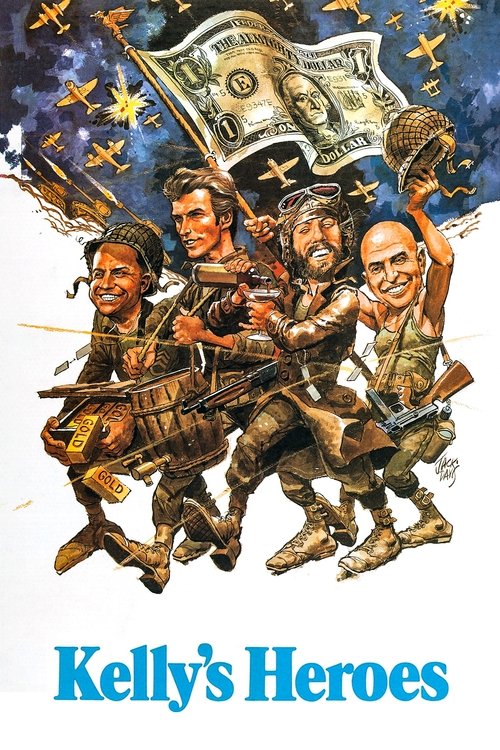
1970
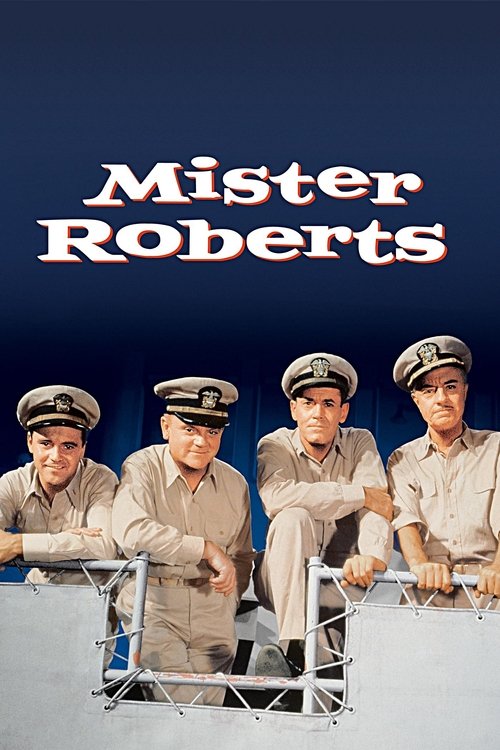
1955
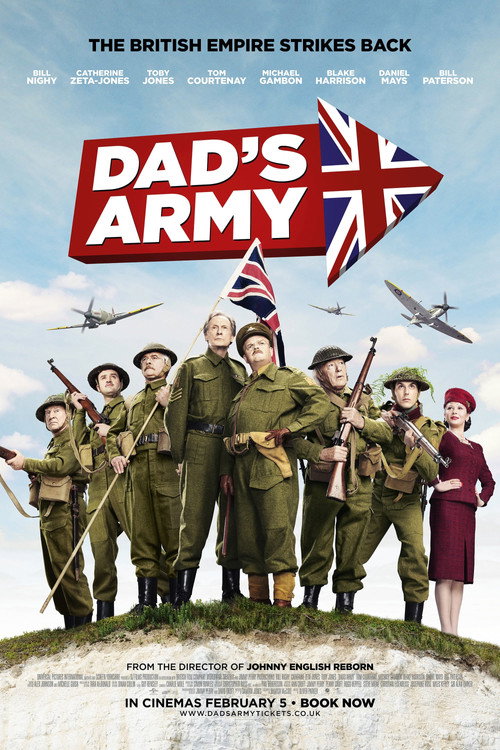
2016
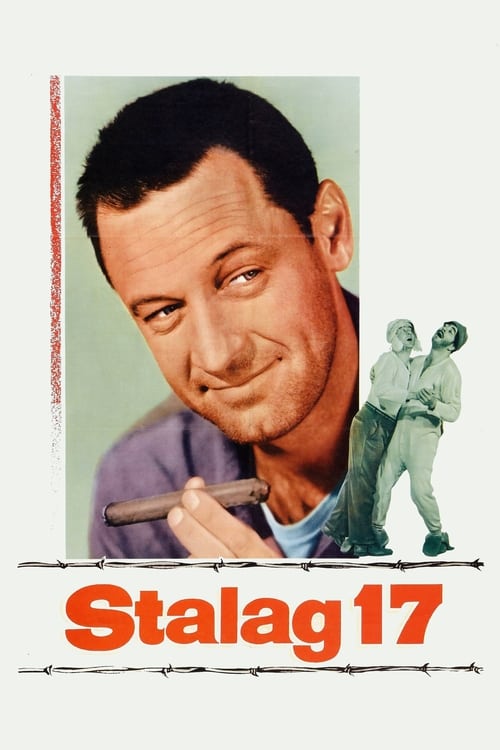
1953
No reviews yet. Be the first to share your thoughts on this movie!
Use the rating form above to leave a star rating and optional review.