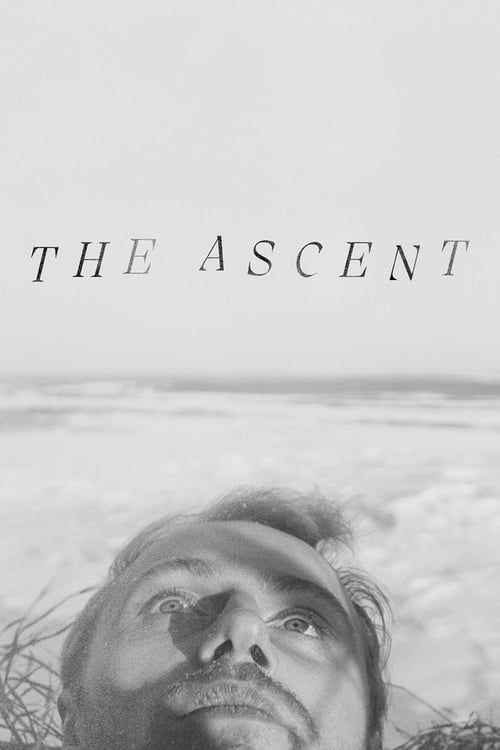
The Ascent
1977
No user ratings available yet
Representation score: 3.7 out of 10

Representation Score
Good
1968
Director
Leonid Osyka
Runtime
67 minutes
Average Rating
No ratings yetNew Showbiz Analysis
Leonid Osyka’s drama shifts the focus of the wartime genre from state-driven triumph to the subjective, poetic consciousness of an individual. By centering a soldier who uses poetry to endure his trials, the film offers a more nuanced psychological depth than typical action-oriented war films. However, the film adheres to traditional mid-century hierarchies. The narrative is heavily male-centric, and there is no visible evidence of queer identities or multi-layered racial blending beyond the expected Soviet context. Ultimately, the work succeeds in humanizing the conflict through an intellectual lens, even if it lacks the progressive representation found in contemporary cinema.
Category Breakdown
The film does not include any explicitly LGBTQ+ characters or non-straight relationships. It focuses on a soldier's journey during wartime.
The male protagonist and his commander have the most influence in the story. Women play important roles as emotional supporters rather than active drivers.
The cast likely includes a mix of ethnicities reflecting the Soviet Union during WWII. The narrative centers on a specific soldier's journey, maintaining a localized ethnic perspective.
The film emphasizes humanism and personal spirituality through the soldier-poet's poetry. It highlights individual experiences over rigid nationalist or militaristic ideologies.
The protagonist's injury introduces physical trauma as a key narrative element. The story explores the interplay between physical vulnerability and psychological resilience during his survival journey.
Present on Screen
Limited or Absent
Official Synopsis
Follows a young soldier and poet at the beginning of World War II in 1941. After being wounded while trying to save his commander, he finds himself behind enemy lines and goes through an arduous journey of survival and trials as he makes his way to a partisan detachment. Throughout his ordeal, the soldier reads poems by wartime poets.
1977
1956
1942
1984
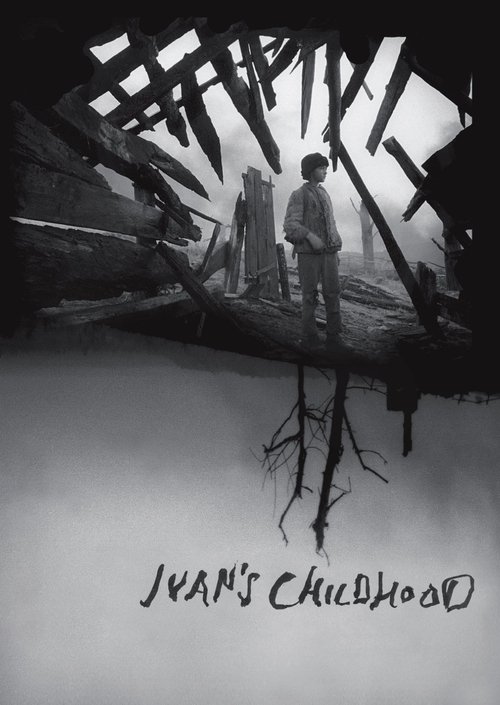
1962
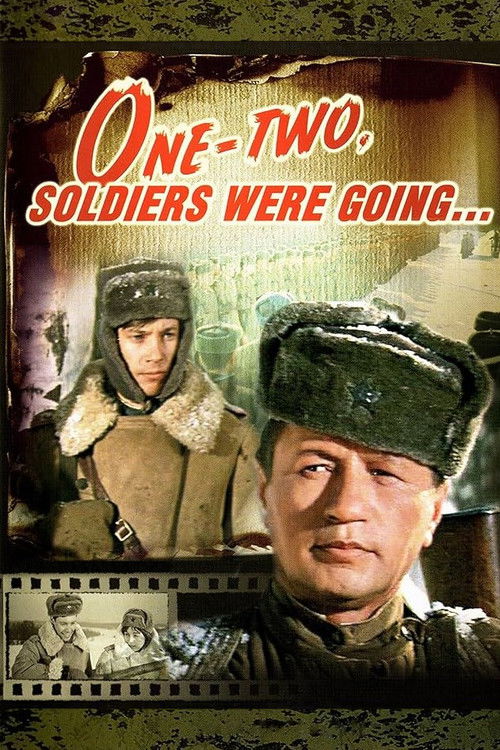
1976
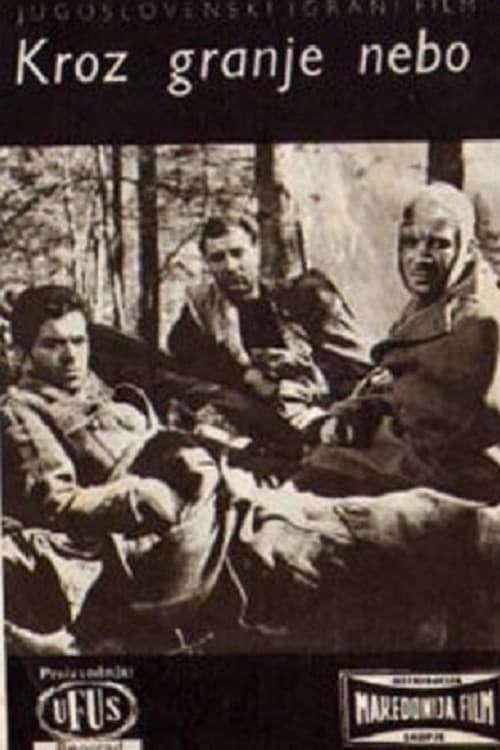
1958
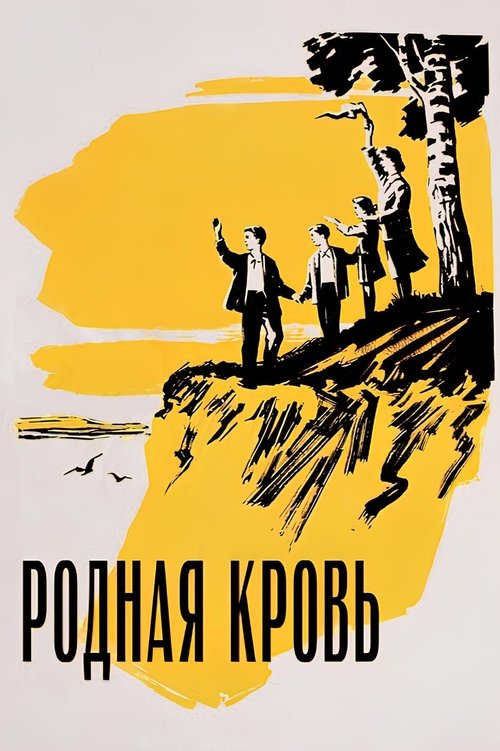
1964
No reviews yet. Be the first to share your thoughts on this movie!
Use the rating form above to leave a star rating and optional review.