Ramchand Pakistani
2008
No user ratings available yet
Representation score: 5.2 out of 10
Representation Score
Good
2016
Not RatedDirector
Omung Kumar
Runtime
131 minutes
Average Rating
No ratings yetNew Showbiz Analysis
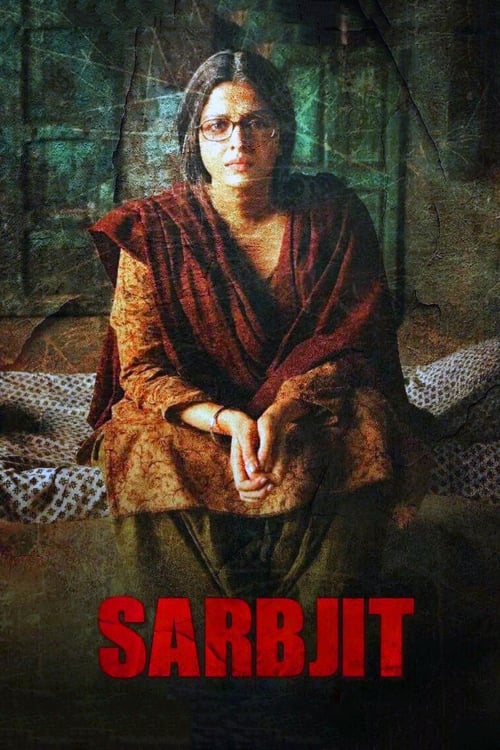
Sarbjit succeeds as a powerful study of institutional failure and the reclamation of control. By centering the female experience as the catalyst for justice, the film challenges patriarchal narrative structures and highlights the resilience required to fight systemic oppression. The film's strength lies in its cultural specificity, moving beyond including someone from a minority group without giving them real depth to present a deeply Punjabi and Sikh perspective. This grounded approach provides a meaningful look at how geopolitical forces impact individual lives. However, the film lacks representation for LGBTQ+ identities and treats the protagonist's physical decline primarily as a narrative device to highlight state cruelty rather than exploring disability with its own choices.
Category Breakdown
The film does not include any LGBTQ+ characters or storylines. All romantic and familial dynamics follow traditional heterosexual relationships.
The narrative shifts the main role to the female protagonist, Dalwinder Kaur, who becomes the primary driver of the plot while the male lead is incapacitated.
The film provides a deep immersion into Sikh identity and Punjabi culture. It avoids homogenization by centering a specific ethnic group and their unique cultural struggles.
The story offers a sophisticated critique of state and judicial institutions. It portrays the legal system as a corruptive force rather than a neutral arbiter of justice.
The protagonist's physical and mental decline serves as a depiction of systemic trauma. However, this functions as a narrative device rather than an exploration of disability with its own choices.
Present on Screen
Limited or Absent
Official Synopsis
Sarbjit accidentally crosses the Indo-Pak border in a drunken state and gets arrested by the Pakistani army who falsely accuse him to be an Indian spy. His sister, Dalbir, fights to get justice for her brother and prove his innocence. Based on true events.
2008

2006

2013

2004
2018

2008

2017

2006
No reviews yet. Be the first to share your thoughts on this movie!
Use the rating form above to leave a star rating and optional review.