
Ankur: The Seedling
1974
No user ratings available yet
Representation score: 4.6 out of 10
Representation Score
Good
1993
Director
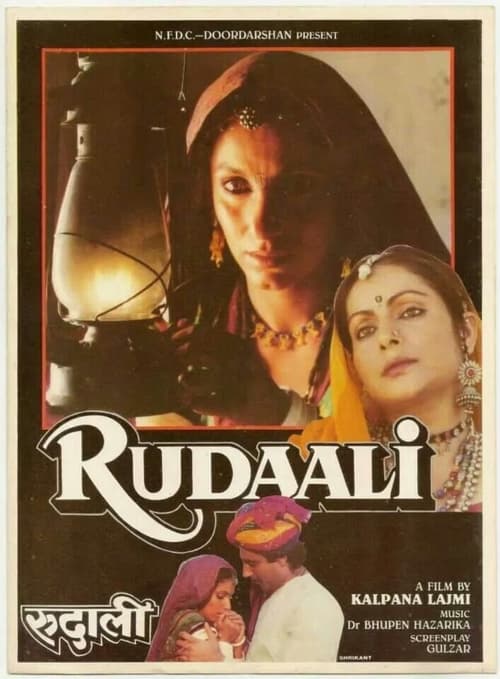
Kalpana Lajmi
Runtime
128 minutes
Average Rating
No ratings yetNew Showbiz Analysis
Kalpana Lajmi’s drama is a sharp critique of systemic stratification, focusing on the intersection of caste, gender, and economic exploitation. By highlighting the lived experiences of those at the bottom of the social hierarchy, the film disrupts traditional dramatic structures. The work succeeds by presenting survivalist tactics as necessary responses to an oppressive system rather than moral failings. It uses the cultural practice of professional mourning to expose how traditional institutions commodify human emotion. While the film lacks LGBTQ+ and disability-driven narratives, its strength lies in its multi-layered approach to caste and gendered labor. It offers a sophisticated deconstruction of class and power in rural India.
Category Breakdown
The film does not include any LGBTQ+ characters or non-cisgender identities. It highlights the rigid social structures of rural Rajasthan.
Shanichari challenges the cliché of the passive victim by transforming professional mourning into a means for economic empowerment. The film contrasts female resilience against predatory or unstable masculinity.
The narrative delves into internal social hierarchies through the protagonist's lower-caste status. It avoids sanitized imagery to reflect genuine socio-economic conditions.
The film critiques feudalistic structures where even grief is turned into a commodity by the landed gentry. It dismantles the perceived nobility of upper-caste hierarchies.
No characters are defined by physical or neurodivergent disabilities. Instead, the film examines the psychological trauma and invisible burdens caused by chronic systemic poverty.
Present on Screen
Limited or Absent
Official Synopsis
Shanichari is a beautiful girl born in lower cast and her life is full of sufferings because of lower cast, poor finances, lost parents, drunken husband, mischievous son. The title refers to a custom in some parts of Rajasthan—where aristocratic women were long kept secluded and veiled—of hiring professional women mourners on the death of a male relative, a rudaali (pronounced “roo-dah-lee”—literally, a female “weeper”) to publicly express the grief that family members, constrained by their high social status, were not permitted to display—or at times, perhaps did not feel. Underwritten by the National Film Development Corporation (NFDC) and Doordarshan (Indian national television) and based on a short story by famed Bengali author Mahasweta Devi—whose tales often focus on the travails of low-caste women.
1974
2000
1984
1957

2021

2005
1998
2005
No reviews yet. Be the first to share your thoughts on this movie!
Use the rating form above to leave a star rating and optional review.