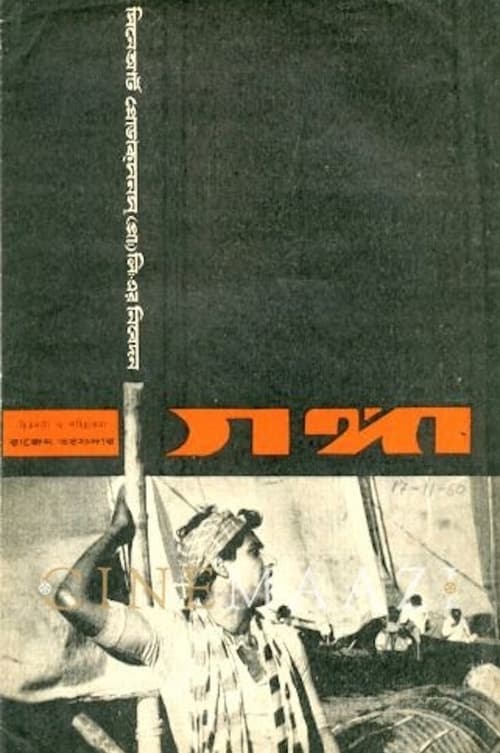
Ganga
1960
No user ratings available yet
Representation score: 4.3 out of 10
Representation Score
Fair
1959
Director
A.J. Kardar
Runtime
91 minutes
Average Rating
No ratings yetNew Showbiz Analysis
A.J. Kardar’s work is a significant piece of social realism that challenges traditional cinematic hierarchies. It succeeds by centering non-Western, underrepresented identities as the primary drivers of historical change. However, the film is limited by its adherence to mid-century social structures. It lacks representation for LGBTQ+ identities and does not actively seek to challenge traditional gender roles or include disability narratives. Ultimately, the film's strength lies in its sophisticated critique of oppressive economic institutions and its profound examination of systemic exploitation.
Category Breakdown
The film does not include any LGBTQ+ characters or narratives. It focuses solely on the struggles of the peasant community within its historical context.
The narrative follows traditional gender roles typical of a mid-century agrarian society. Women are present but the main drivers of political and class-based action are the male peasants.
The film offers an authentic depiction of East Bengali identity. By featuring a non-Western cast, it counters the dominance of Western perspectives and highlights local ability to act.
The story is rooted in critiques of feudal systems. It portrays landowning elites as oppressive and emphasizes the awakening of class consciousness over individual capitalist success.
There are no characters with physical or neurodivergent disabilities. The film focuses on the collective physical struggles of the working class.
Present on Screen
Limited or Absent
Official Synopsis
Based on he daily lives of the fishermen of East Bengal.
1960
1959
1973
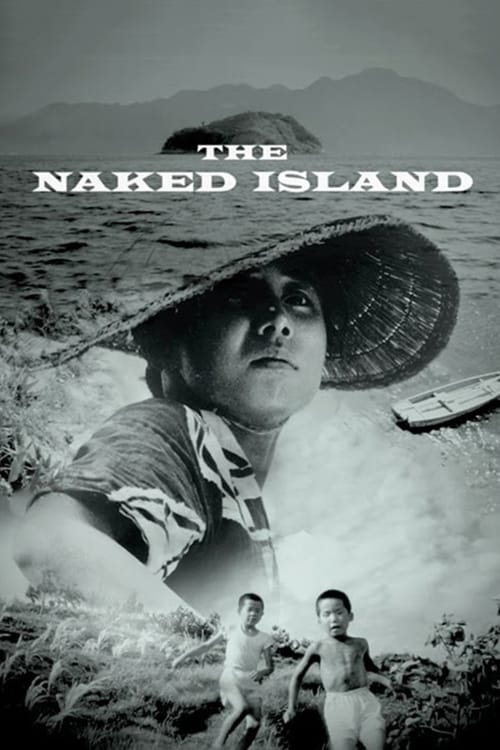
1960
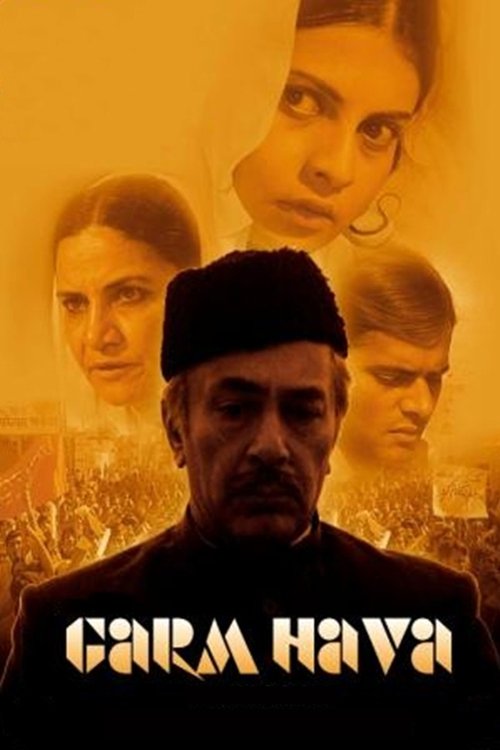
1973
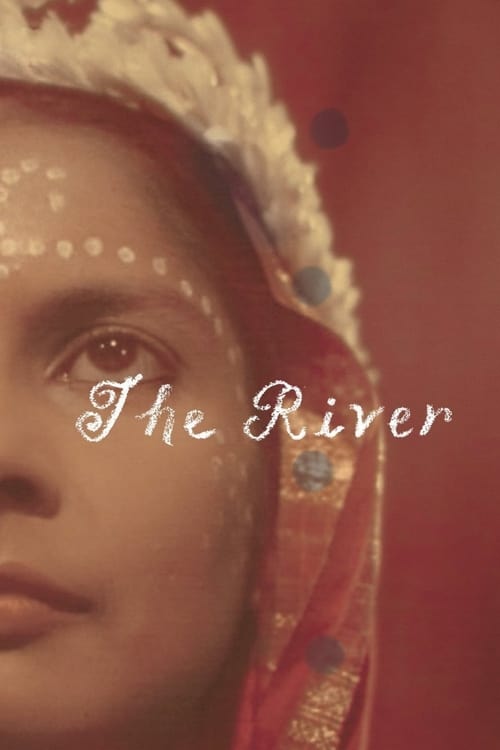
1951
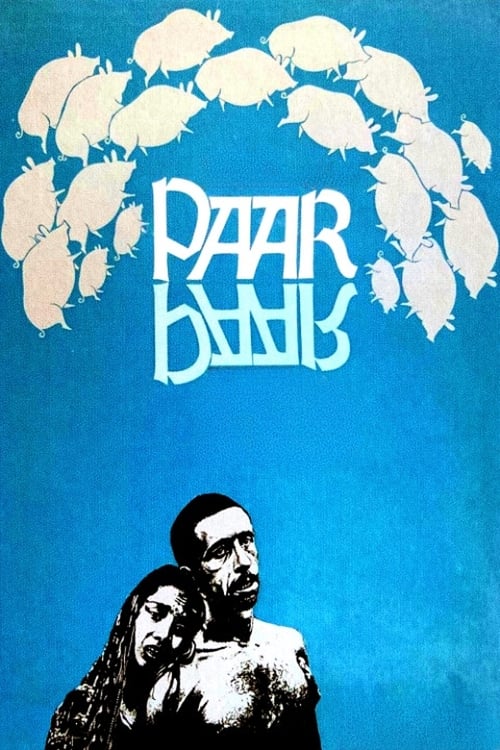
1984
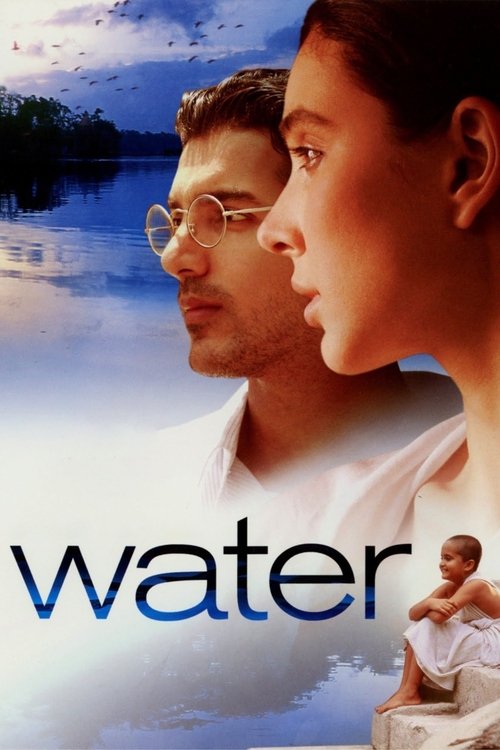
2005
No reviews yet. Be the first to share your thoughts on this movie!
Use the rating form above to leave a star rating and optional review.