Those Whom Death Refused
1988
No user ratings available yet
Representation score: 7.1 out of 10
Representation Score
Good
1984
RDirector
Riki Shelach Nissimoff
Runtime
89 minutes
Average Rating
No ratings yetNew Showbiz Analysis
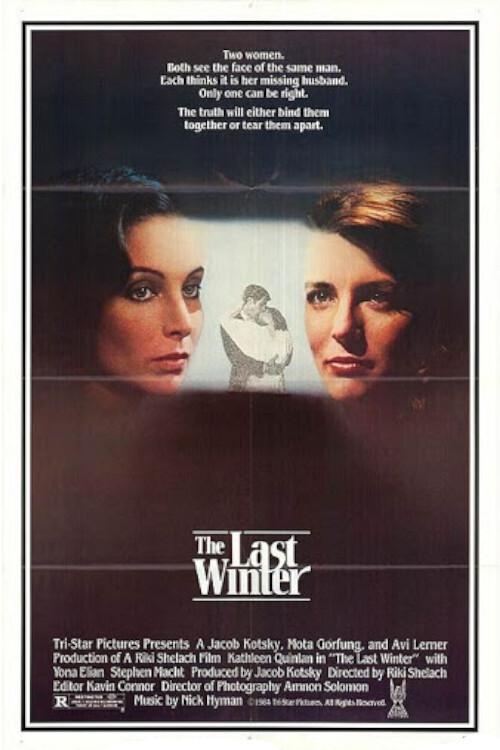
The Last Winter stands out from typical 1980s war films by shifting focus from combat heroics to the human cost of the Yom Kippur War through the eyes of women searching for answers about missing husbands. By granting high ability to act to its female protagonists, the film subverts patriarchal structures. Through exploring emotional interdependence and cross-cultural grief, it offers a nuanced perspective on geopolitical conflict. While the narrative provides a sophisticated view of female solidarity and international cooperation, it primarily addresses a specific emotional arc, potentially limiting broader identity-based representation.
Category Breakdown
The film focuses on an emotional bond between two women dealing with shared trauma. Although the romantic nature of their relationship isn't explicitly stated, the emphasis on female intimacy challenges traditional masculine wartime narratives.
Women play key roles in driving the plot rather than being passive observers. The narrative highlights their intelligence and resilience, shifting the focus from soldiers to civilians affected by the conflict.
This American-Israeli co-production presents a multicultural landscape. By incorporating Middle Eastern contexts and diverse identities, the film moves beyond a monolithic Western perspective.
The story emphasizes personal loss over state-sponsored patriotism. It examines the impact of the Yom Kippur War through individual psychological burdens rather than nationalistic triumph.
There is no significant evidence regarding the portrayal of physical or neurodivergent disabilities in this film.
Present on Screen
Limited or Absent
Official Synopsis
Tells the story of two women seeking leads to their missing husbands after the end of the Yom Kippur War (1973). A relationship builds between them when each identified her husband in the same blurred image of a foreign newsreel.
1988

1970

1966

1960

2003

1961

1995

2004
No reviews yet. Be the first to share your thoughts on this movie!
Use the rating form above to leave a star rating and optional review.