Toyland
2007
No user ratings available yet
Diversity score: 6.7 out of 10
1987
Director
Luc Dardenne, Jean-Pierre Dardenne
Runtime
82 minutes
Average Rating
No ratings yetSynopsis
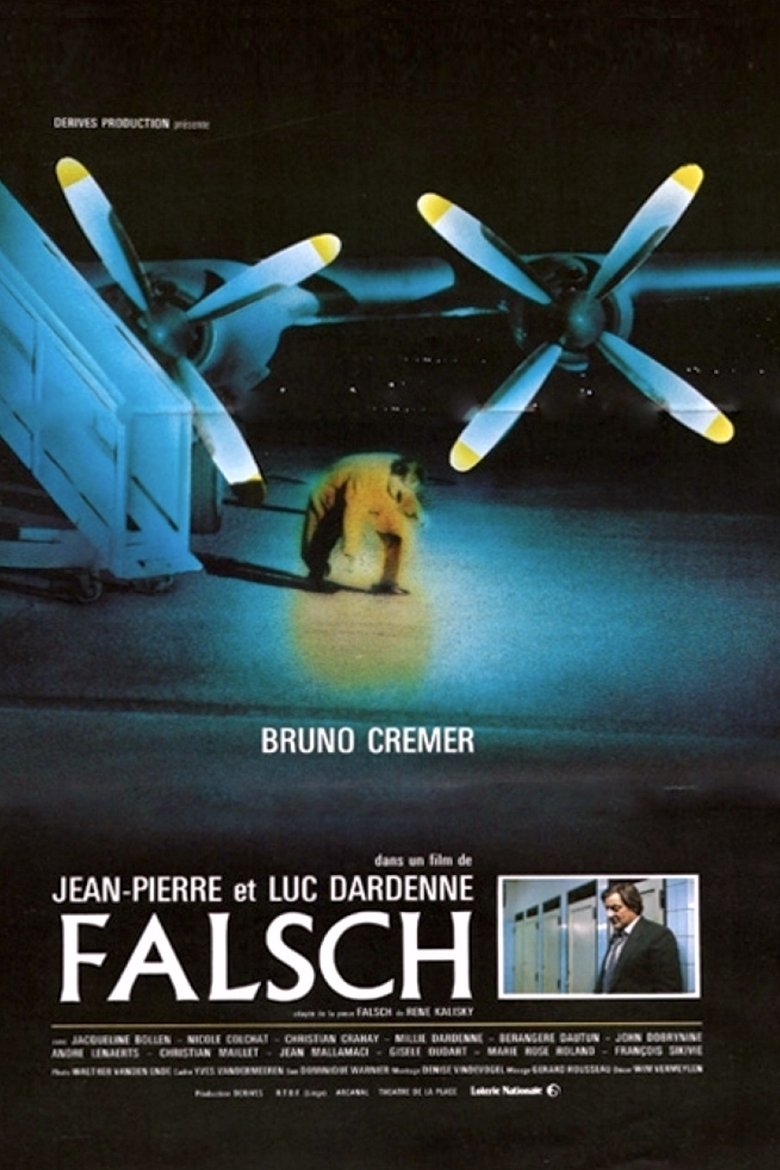
In an apparently empty airport, a Jewish family has gathered to greet one of its members who has come there to be with them. However, the airport is actually the ante-room of Death, and the family member is a recently deceased American survivor of the Holocaust. Although the party begins by greeting the man with warmth and affection, the gathering soon degenerates into a squabble about why most of those assembled failed to heed the warnings about the Holocaust and flee Germany.
Overall Score
Good
Category Breakdown
LGBTQ+ Representation
The film lacks explicit depictions of LGBTQ+ identities or non-heteronormative dynamics. The narrative focus remains on historical Jewish trauma and a specific romantic connection between Joe and Lilli.
Gender Representation
Lilli occupies a central emotional role, yet her identity is tied to her father's Nazi status. The story primarily centers on Joe's subjective experience and his various encounters.
Racial & Ethnic Diversity
The film centers the Jewish experience by bringing together Holocaust survivors and victims. This framework prioritizes the voices of a historically persecuted ethnic group through a supernatural lens.
Religious & Cultural Diversity
By framing a reunion of Nazi victims in an arrival lounge, the film critiques nationalism and state power. It prioritizes spiritual truths over rigid, institutional historical narratives.
Disability Representation
There are no mentions of characters navigating physical, neurodivergent, or mental health disabilities within the narrative.
Strengths
Areas for Improvement
AI Analysis
Falsch serves as a narrative disruption of conventional war cinema. Instead of focusing on combat or national triumph, it explores the systemic trauma of ethnic cleansing and the reclamation of identity. The film shifts the perspective from historical victors to the victims of systemic oppression. By using a fantasy framework to reunite the displaced and the deceased, it centers the Jewish diaspora's experience. While the film excels in ethnic and cultural representation, it lacks visible queer agency and provides little insight into female agency outside of patriarchal structures.
2007
2001

1970
1962
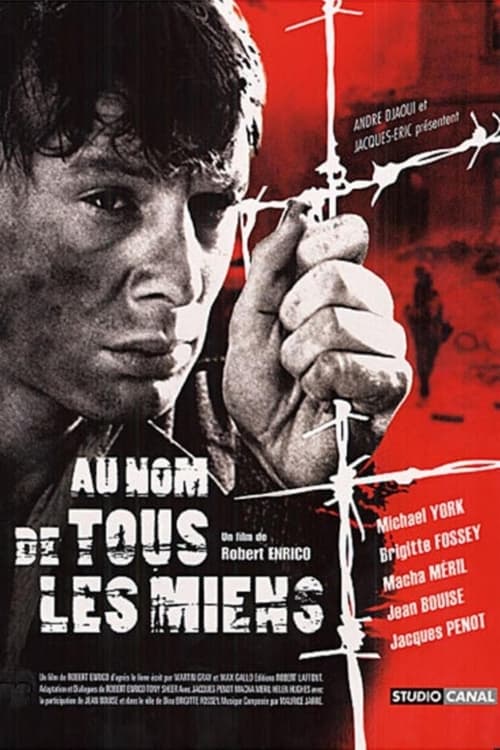
1983
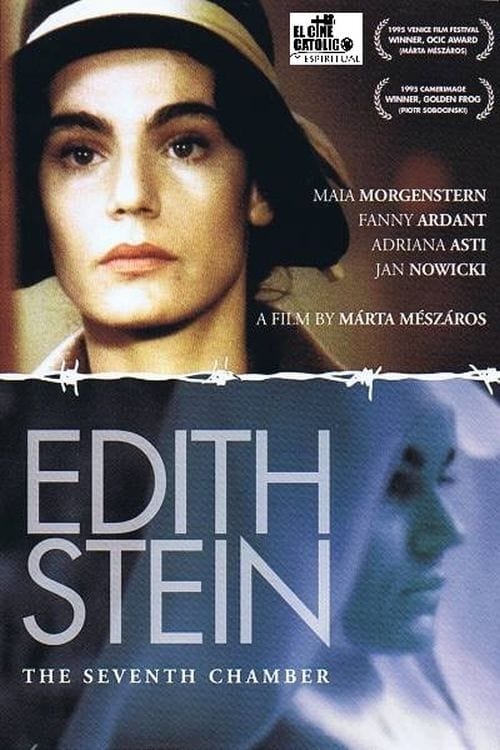
1996

2003

2010
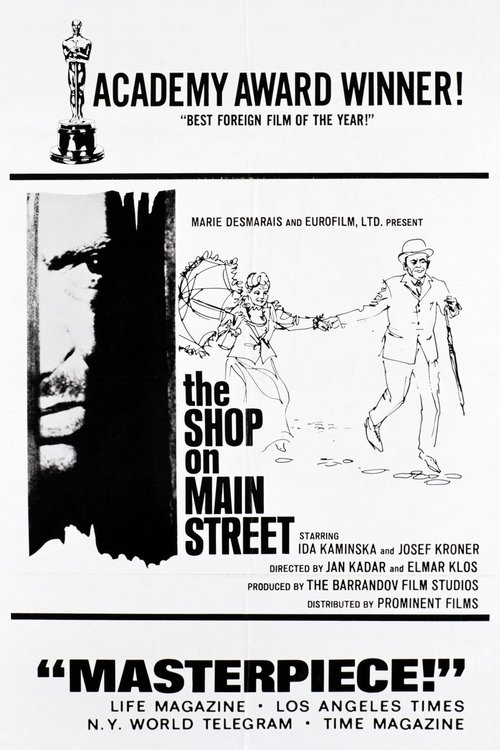
1965
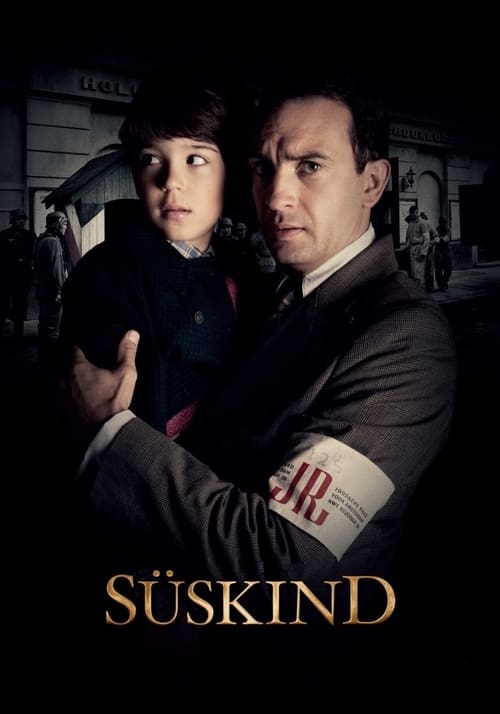
2012
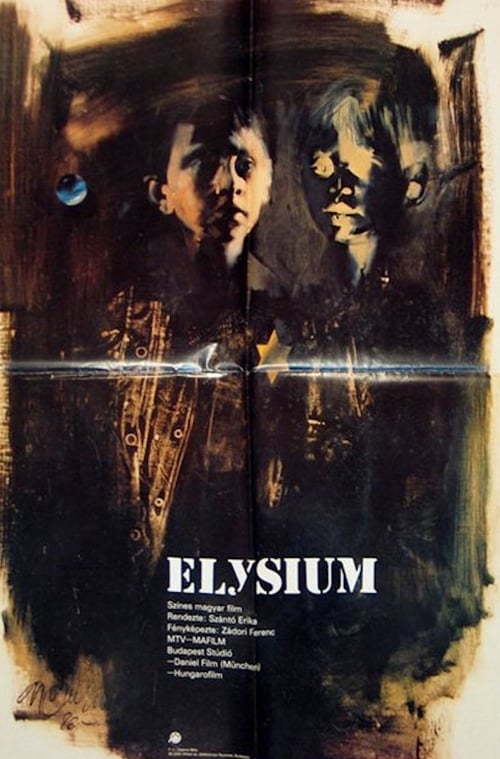
1986
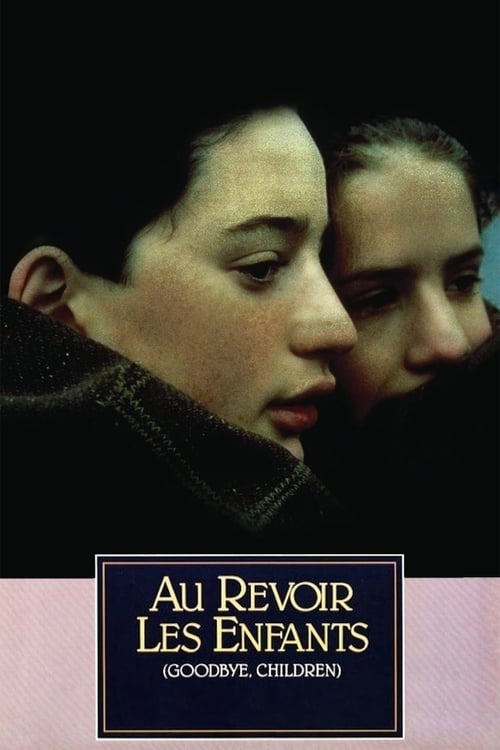
1987
No reviews yet. Be the first to share your thoughts on this movie!
Use the rating form above to leave a star rating and optional review.