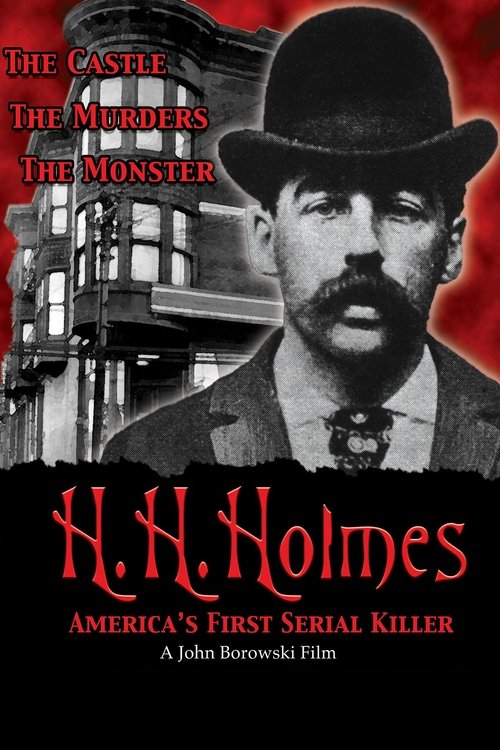
H.H. Holmes: America's First Serial Killer
2004
No user ratings available yet
Representation score: 1.3 out of 10

Representation Score
Minimal
2016
TV-14Director
Cathleen O'Connell
Runtime
52 minutes
Average Rating
No ratings yetNew Showbiz Analysis
The film is a historical true-crime documentary centered on a specific case from 1924 involving wealthy, white males. Due to the homogeneous group involved, the narrative lacks demographic diversity and perspectives that reflect multiple aspects of identity. While the documentary deconstructs historical events using archival evidence, it remains tied to the era's social realities. This results in a narrow focus that excludes diverse identities. Ultimately, the production emphasizes the psychological motivations of the historical figures involved rather than broader social or cultural variety.
Category Breakdown
The documentary focuses on a historical criminal case and does not include any LGBTQ+ characters or explore non-traditional gender identities.
The narrative centers around male-driven conflict and lacks women's ability to drive the story or challenges to traditional gender roles.
The case involves wealthy students and a victim from the same socio-economic and racial background, reflecting the homogeneous racial landscape of the 1920s American elite.
The film explores themes of morality and the failure of social institutions, functioning as a study of individual pathology within a traditional historical framework.
There is no indication that neurodivergence, mental health conditions, or physical disabilities are used as central themes or given significant representation.
Present on Screen
Limited or Absent
Official Synopsis
The shocking story of Richard Leopold and Nathan Loeb, two wealthy college students who murdered a 14-year-old boy in 1924 to prove they were smart enough to get away with it.
2004

1996

2014

2020

2018

2000

2000

1971
No reviews yet. Be the first to share your thoughts on this movie!
Use the rating form above to leave a star rating and optional review.