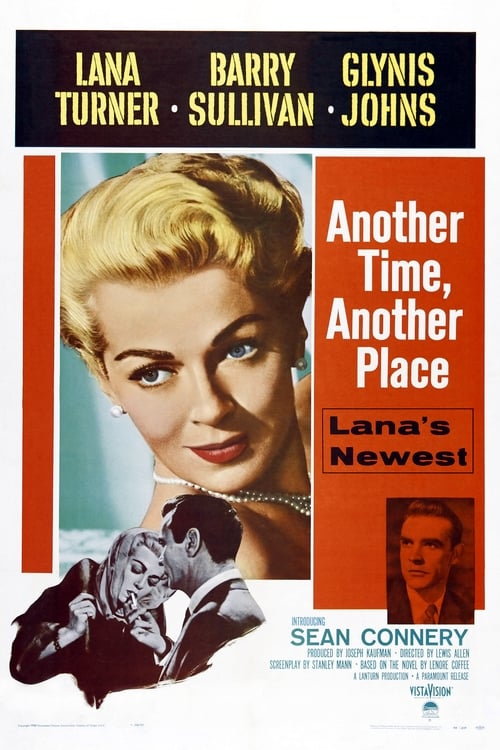
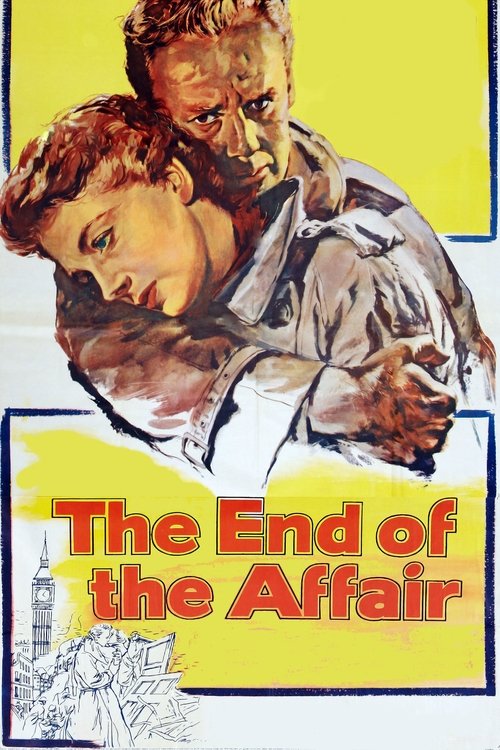
Another Time, Another Place
1958
No user ratings available yet
Representation score: 3.4 out of 10
Representation Score
Minimal
1955
NRDirector
Edward Dmytryk
Runtime
105 minutes
Average Rating
No ratings yetNew Showbiz Analysis
This mid-century period drama focuses on theological and romantic themes, emphasizing individual spiritual crises within a conventional social order. It lacks the multi-layered complexity found in modern storytelling. While the film explores women's ability to drive the story, it remains tied to the social constraints of its time and upholds traditional Western religious hierarchies. The narrative is localized and Eurocentric, reflecting the demographic limitations of its era.
Category Breakdown
The film does not include any representations of LGBTQ+ identities or same-sex relationships, operating within an assumption that everyone is straight and cisgender.
Sarah Miles has significant control over her own story, challenging the idea of the submissive wife. However, the narrative primarily focuses on the male protagonist's journey.
The cast is mainly composed of white actors, reflecting the homogeneous demographics of the 1950s. There is no inclusion of diverse ethnic backgrounds.
The story revolves around Christian theology, using faith and divine intervention to resolve conflicts. It emphasizes traditional Western religious values.
The film does not depict any characters with visible or invisible disabilities. Disabilities are not used as narrative devices.
Present on Screen
Limited or Absent
Official Synopsis
During the 1940s, Maurice Bendrix, a writer recently discharged from the armed service, falls in love with Sarah Miles, whom he interviews for a book. Sarah is married, but she and Maurice eventually give in to their mutual attraction, leading to an affair that lasts several months. Maurice's jealousy, along with the bombing of London by the Germans, seemingly leads to the end of their relationship. However, the reasons are later revealed to be more complex.
1958

1950
1954

1955

1961

1952
1955
1939
No reviews yet. Be the first to share your thoughts on this movie!
Use the rating form above to leave a star rating and optional review.