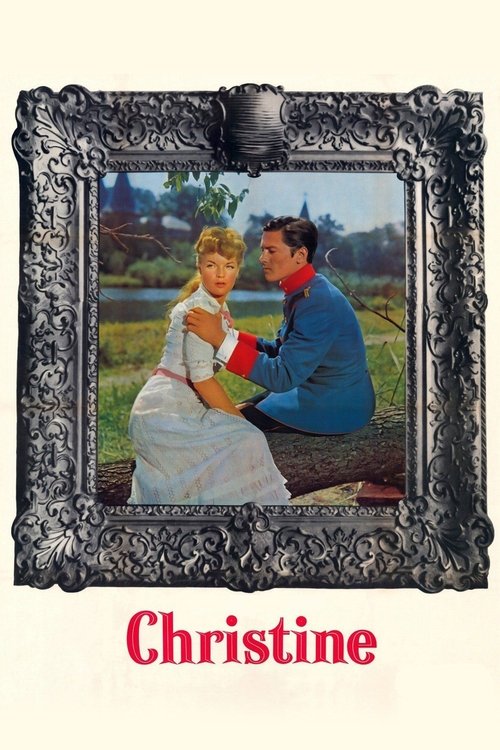
Christine
1958
No user ratings available yet
Representation score: 0.4 out of 10
Representation Score
Minimal
1989
PG-13Director
Jerzy Skolimowski
Runtime
101 minutes
Average Rating
No ratings yetNew Showbiz Analysis
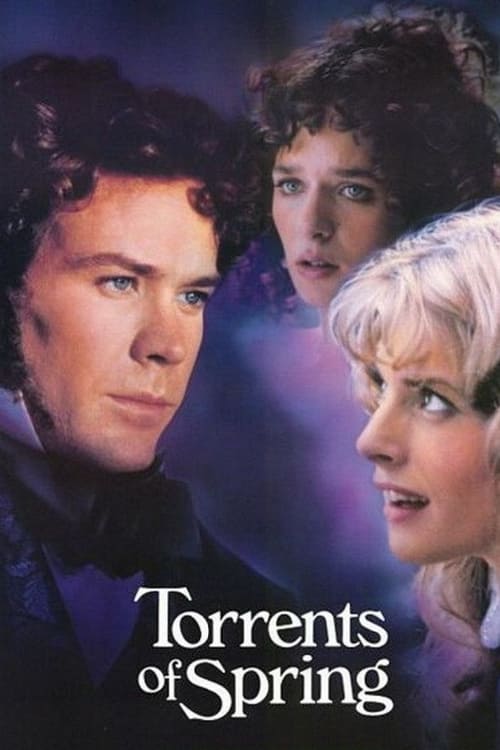
Torrents of Spring is a traditionalist period drama that adheres strictly to the social hierarchies of the 19th century. The narrative prioritizes romantic individualism and the personal moral dilemmas of its protagonist over any systemic or progressive critique. The film relies heavily on established archetypes, particularly regarding gender, where women are framed through their impact on the male lead. This approach maintains historical accuracy for the era but lacks modern complexity. Ultimately, the work functions as a standard exploration of class and courtship. It offers a conventional European framework that avoids challenging the status quo or introducing diverse identities.
Category Breakdown
The film focuses solely on heterosexual relationships and does not include any non-straight or non-cisgender identities. There is no critique of traditional courtship.
Female characters are defined by their relationships to the male lead. The story relies on traditional gender clichés, such as the virtuous woman versus the temptress.
The cast is predominantly white, reflecting the 1840s European aristocratic setting. There is no evidence of diverse racial backgrounds.
The narrative reinforces the social structures of the European upper class. It prioritizes individual romantic struggles over critiques of Western institutions.
No visible or invisible disabilities are integrated into the character arcs. Disability is not used as a central theme or plot device.
Present on Screen
Limited or Absent
Official Synopsis
In 1840, a young Russian aristocrat, Dimitri Sanin, is returning home after a long tour of Europe. In Germany, he falls in love with a beautiful pastry shop girl, Gemma Rosselli, who soon starts sharing his feelings. They decide to get married and, in order to finance the wedding, Dimitri goes back to Russia to sell his family estate. Unfortunately he falls prey to a seductress, Princess Maria Nikolaevna, who pretends to be willing to buy his land to come nearer him. Now Sanin is in a fix: should he choose the pure Gemma or the evil but irresistible Maria?
1958
1953
1990
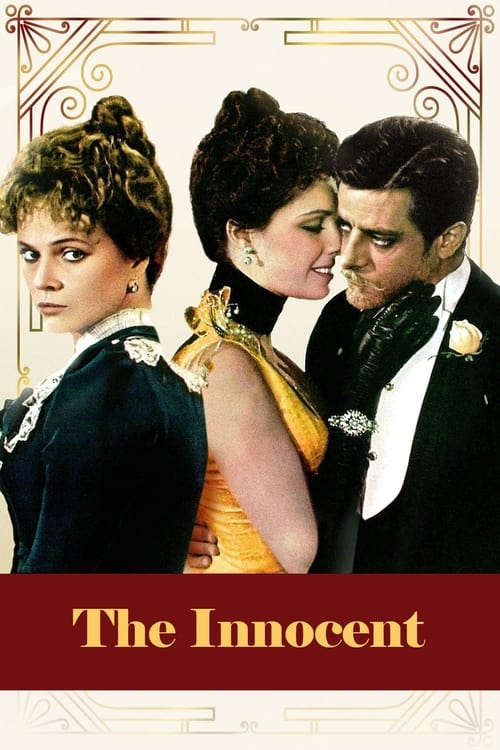
1976
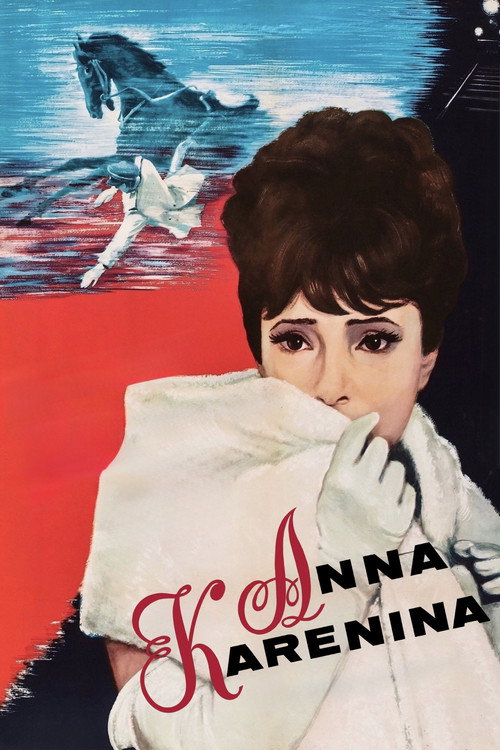
1967
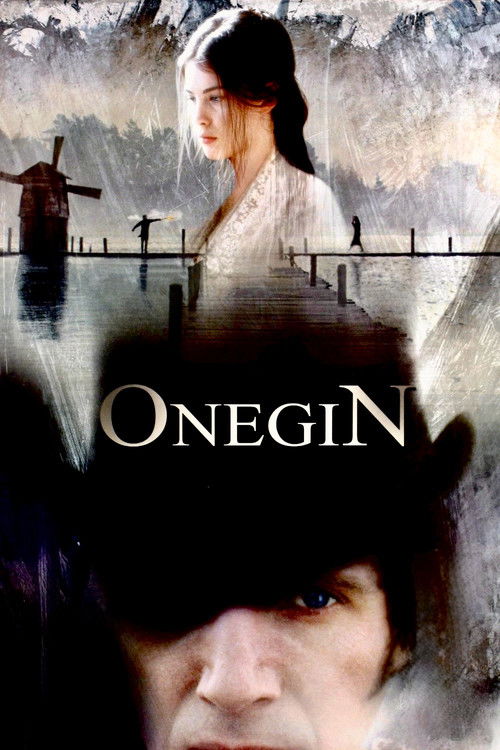
1999

1984
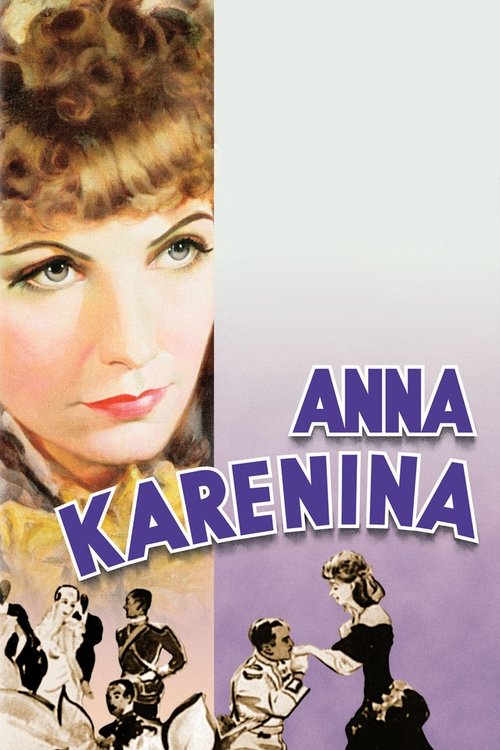
1935
No reviews yet. Be the first to share your thoughts on this movie!
Use the rating form above to leave a star rating and optional review.