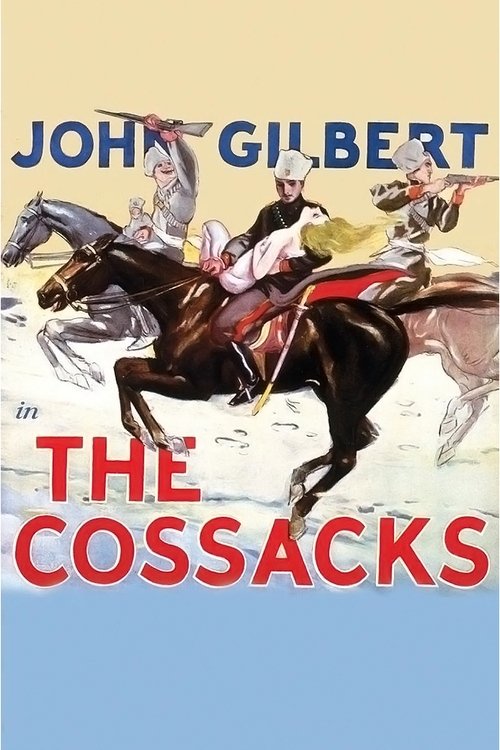
The Cossacks
1928
No user ratings available yet
Diversity score: 2.2 out of 10
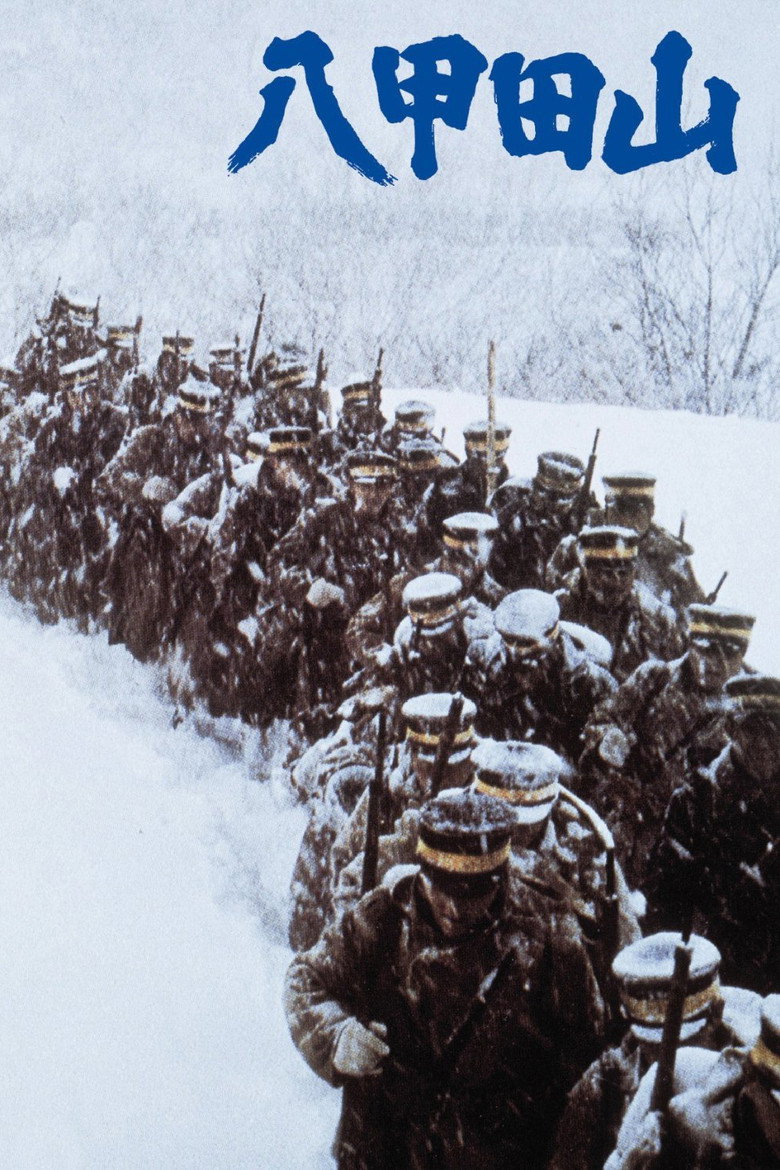
1977
Director
Shirō Moritani
Runtime
169 minutes
Average Rating
No ratings yetSynopsis
Two infantry regiments of the Imperial Japanese Army—210 men overall—tackled Mt. Hakkoda in the winter of 1902 to prepare for war with Russia.
Overall Score
Minimal
Category Breakdown
LGBTQ+ Representation
The film lacks LGBTQ+ characters or narratives. It focuses strictly on the rigid, traditional structures of the early 20th-century Imperial Japanese Army.
Gender Representation
The narrative centers on a male-dominated military environment. It reinforces traditional masculine hierarchies and lacks female agency or subversion of gender roles.
Racial & Ethnic Diversity
The film depicts a homogeneous group of Japanese soldiers. While historically accurate to the 1902 setting, it does not utilize diverse casting to challenge the status quo.
Religious & Cultural Diversity
The film critiques the competence of centralized authority. By depicting the expedition's failure, it implicitly challenges the perceived infallibility of military institutions and the state.
Disability Representation
There is no evidence of neurodivergence or visible disabilities. Physical trauma appears to be a consequence of environmental hardship rather than a character-driven exploration of identity.
Strengths
Areas for Improvement
AI Analysis
Mount Hakkoda functions as a historical reconstruction of a 1902 military expedition. The narrative architecture is built upon the homogeneous and rigid hierarchies of the Imperial Japanese Army, focusing on the logistical struggles of 210 men against nature. While the film provides a critique of institutional mismanagement and the failure of state authority, it does so through a traditional lens. It does not employ intersectional representation or diverse casting to disrupt social expectations. Ultimately, the work serves as a study of systemic failure rather than a vehicle for progressive social commentary, remaining confined to the demographic realities of its period.
1928
1956
1994
1954
1984
1977
2009
1955
2006

2023
1946
1944
No reviews yet. Be the first to share your thoughts on this movie!
Use the rating form above to leave a star rating and optional review.