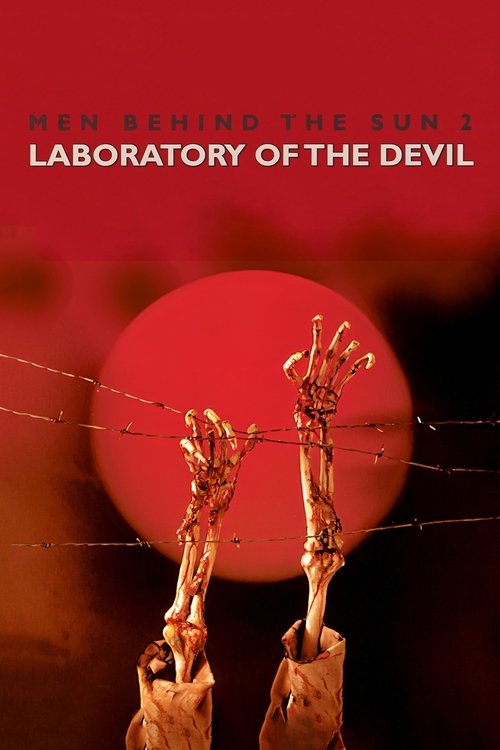
Men Behind the Sun 2: Laboratory of the Devil
1992
No user ratings available yet
Representation score: 4.5 out of 10

Representation Score
Limited
1994
Director
Godfrey Ho
Runtime
93 minutes
Average Rating
No ratings yetNew Showbiz Analysis
Men Behind the Sun 3: A Narrow Escape is a genre-specific exploitation film that prioritizes visceral impact over character development. Its narrative structure relies heavily on historical trauma and biological horror to drive the plot. Since the film adheres to traditional genre conventions, it fails to provide meaningful representation across various social categories. It serves as a study of wartime atrocities rather than a platform for exploring diverse identities. Ultimately, the film's emphasis on shock value and survival-based conflict hinders the exploration of complex identities and the subversion of conventional social norms.
Category Breakdown
There are no LGBTQ+ characters or narratives in the film. It stays within a traditional war drama framework centered around survival and physical threats.
Women have limited roles and ability to act in this military-focused crisis. The main conflict is driven by male-dominated scientific and military structures, reinforcing traditional power dynamics.
The film highlights racial tensions through the Japanese presence in Manchuria during World War II. It focuses on historical wartime atrocities rather than diverse representation.
The narrative delves into the harsh realities of Unit 731 through graphic depictions. It emphasizes immediate survival over addressing systemic cultural issues.
Physical disabilities and illnesses are used primarily as horror plot devices. Trauma and bodily harm are used for shock value rather than giving characters significant roles.
Present on Screen
Limited or Absent
Official Synopsis
During the shut down and destruction of the Japanese test camp Squadron 731 in Manchuria, a soldier becomes infected with a virus developed during the camp's testing and risks spreading it into Japan on the train ride home.
1992

1959

2008

1961
2025
1980

1956

1967
No reviews yet. Be the first to share your thoughts on this movie!
Use the rating form above to leave a star rating and optional review.