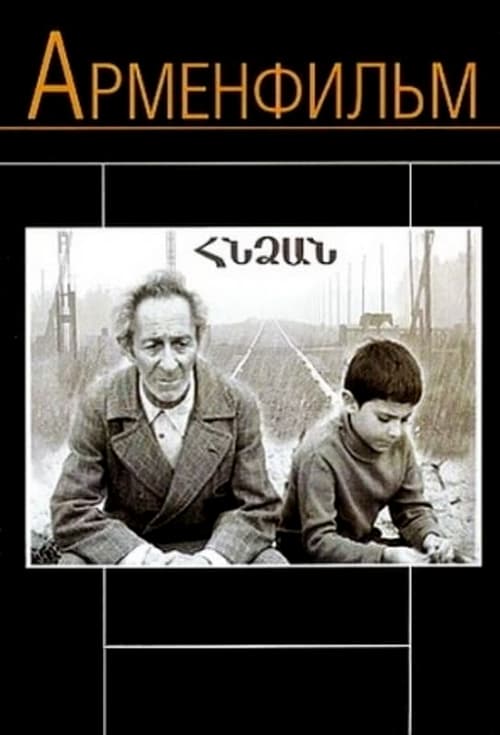
Sour Grapes
1974
No user ratings available yet
Representation score: 5.5 out of 10
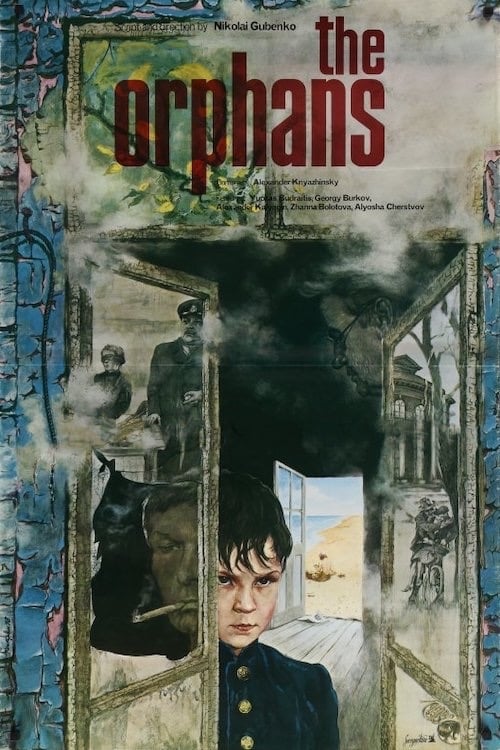
Representation Score
Fair
1977
Director
Nikolai Gubenko
Runtime
93 minutes
Average Rating
No ratings yetNew Showbiz Analysis
The film is a work of Soviet social realism that prioritizes systemic and ideological critique over modern identity-based diversity. It focuses on the collective experience of orphans surviving in a post-war landscape. While the film lacks characters who reflect more than one aspect of diversity, it provides a deep look at how underrepresented individuals navigate state-driven social frameworks. The narrative challenges Western capitalist norms by emphasizing community over the private nuclear family. Ultimately, the work is a localized study of a specific demographic, prioritizing the struggle for social integration and survival over a broad spectrum of diverse identities.
Category Breakdown
The film does not feature any documented LGBTQ+ characters or narratives. The story revolves around the traditional social unit of orphaned youth in a Soviet context.
The narrative centers on a group of boys navigating a post-war landscape. The absence of paternal figures may disrupt traditional hierarchies, potentially offering female characters unique roles.
The cast is predominantly homogeneous, reflecting the specific Russian village setting. It functions as a localized study of a specific socio-cultural group without significant ethnic blending.
The film emphasizes collective resilience and anti-capitalist ideals over individualist Western structures. It explores how the community and state support those stripped of nuclear families.
There is no explicit representation of physical or neurodivergent disabilities. However, the film explores the psychological trauma and socioeconomic exclusion of the orphaned characters.
Present on Screen
Limited or Absent
Official Synopsis
A story about a group of Russian boys who have lost their fathers in the World War II.
1974
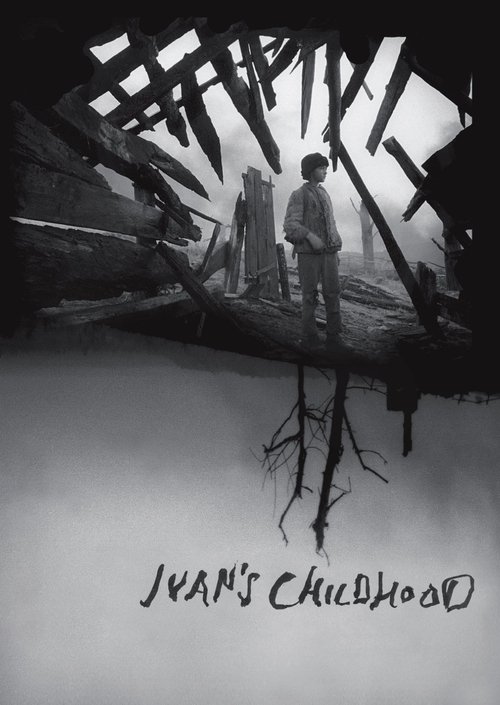
1962

1954

1948
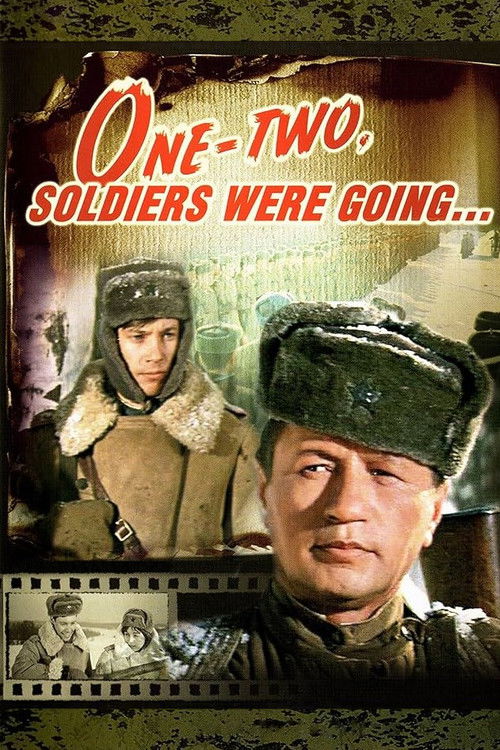
1976

1964
1959
1978
No reviews yet. Be the first to share your thoughts on this movie!
Use the rating form above to leave a star rating and optional review.