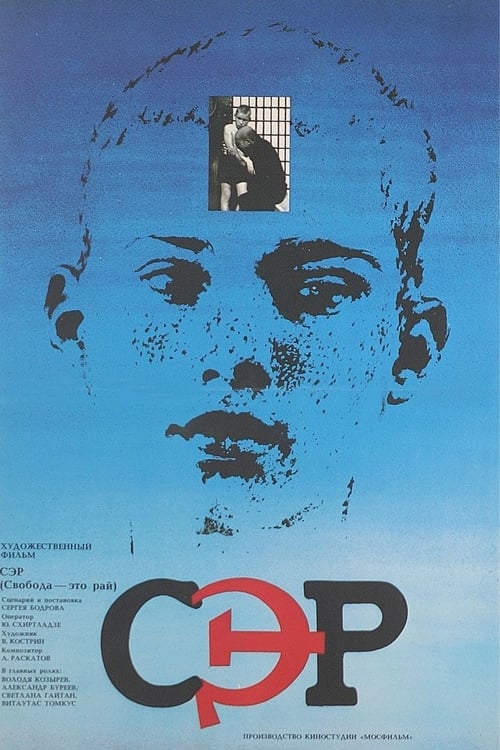
Freedom Is Paradise
1989
No user ratings available yet
Diversity score: 5.2 out of 10

1984
Runtime
125 minutes
Average Rating
No ratings yetSynopsis
Set in the icy wilderness of Hokkaido during the early days of the Meiji era, where the brutal warden of Kabato Prison terrorizes convicts sentenced to forced labor to build the roads needed to open up the territory.
Overall Score
Fair
Category Breakdown
LGBTQ+ Representation
The film lacks any documented evidence of non-heteronormative identities. The narrative focus remains strictly on the socio-political struggles of the convict class.
Gender Representation
The story centers on masculine-coded spheres like penal labor and state authority. Power dynamics primarily revolve around male-dominated hierarchies of leadership and violence.
Racial & Ethnic Diversity
The cast is likely ethnically homogeneous given the Meiji-era setting. However, the plot explores the 'othering' of the prisoner class by the central imperial power.
Religious & Cultural Diversity
The film offers a sophisticated critique of systemic oppression. It disrupts traditional celebrations of national progress by highlighting the human cost of state-driven modernization.
Disability Representation
There is no evidence of characters with visible or invisible disabilities. The narrative does not address disability as a thematic element.
Strengths
Areas for Improvement
AI Analysis
Hideo Gosha’s drama functions as a visceral critique of institutional authority and the violence inherent in state-building. By centering the marginalized convict against the oppressive machinery of the Meiji state, the film deconstructs the myth of civilized progress. While the film lacks contemporary identity-based representation, such as LGBTQ+ characters or multi-ethnic casting, it achieves narrative depth through its exploration of systemic corruption. It prioritizes the human cost of expansionism over idealized historical narratives. The film's strength lies in its ability to use a penal colony as a microcosm for the friction between a modernizing state and the individuals it exploits.
1989

1983

2024

1969

1984

2002
1957

1955
1959

1980

1918

2020
No reviews yet. Be the first to share your thoughts on this movie!
Use the rating form above to leave a star rating and optional review.