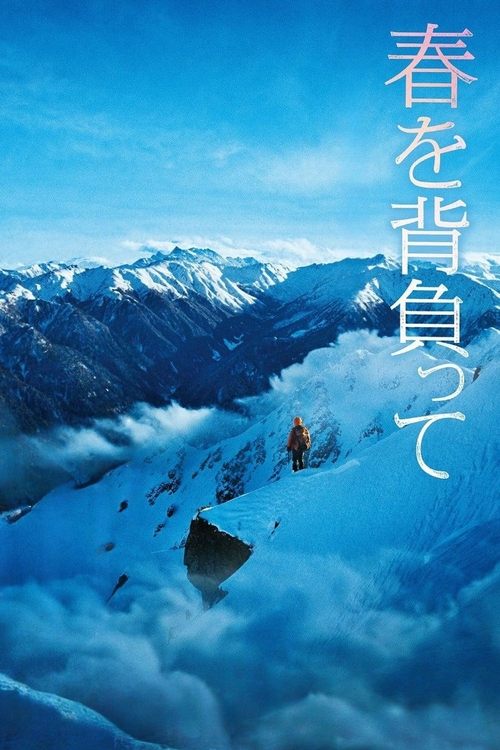
Climbing to Spring
2014
No user ratings available yet
Representation score: 2.3 out of 10
Representation Score
Limited
2009
Director
Daisaku Kimura
Runtime
139 minutes
Average Rating
No ratings yetNew Showbiz Analysis
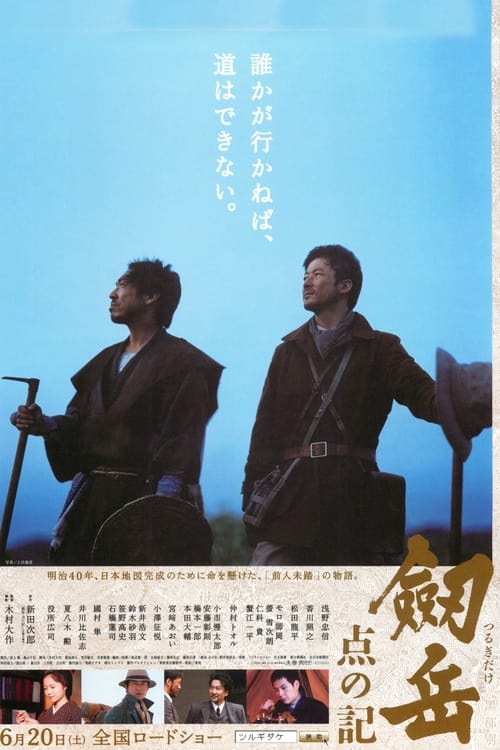
The Summit is a traditional historical drama set in 1907 Japan, focusing on male achievement and physical endurance. It adheres to the social and gender norms of the time, emphasizing a singular narrative of male exploration. While the film offers a culturally specific Japanese perspective and avoids a Western-centric viewpoint, it lacks multi-layered complexity. The story centers on a homogeneous group of men navigating an uncharted territory, without addressing diverse identities.
Category Breakdown
The film focuses on a group of men in 1907 Japan. While the camaraderie among the climbers might hint at underlying intimacy, there is no explicit depiction of LGBTQ+ identity.
The story centers on an all-male expedition, reflecting the social norms of the time. It emphasizes traditional hierarchies by prioritizing male control and physical strength in the wilderness.
The film presents a culturally specific Japanese narrative. Although the cast is ethnically uniform, the story avoids a Western-centric viewpoint by highlighting a non-Western historical achievement.
The film serves as a historical account celebrating the spirit of discovery. It highlights traditional themes related to mastering the Japanese landscape without critiquing institutional oppression.
There is no mention of characters dealing with physical or neurodivergent disabilities in the narrative.
Present on Screen
Limited or Absent
Official Synopsis
In 1907, a group of men climb an unconquered peak in the last unmapped region of Japan.
2014

2013
2016

2008

2006

2002

1953

2003
No reviews yet. Be the first to share your thoughts on this movie!
Use the rating form above to leave a star rating and optional review.