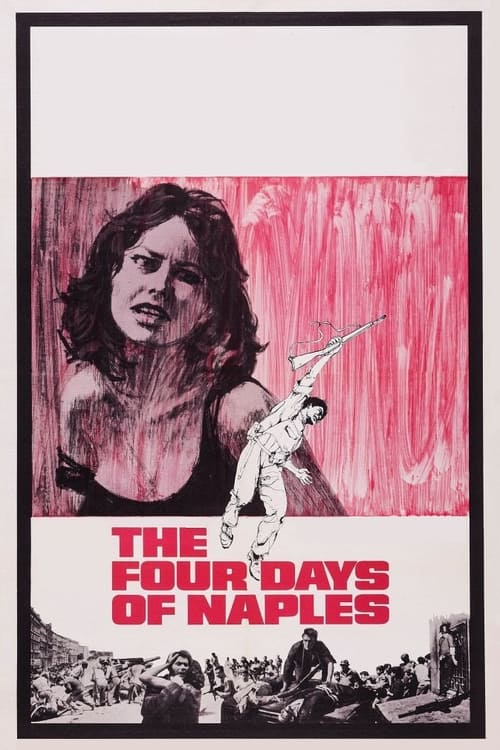
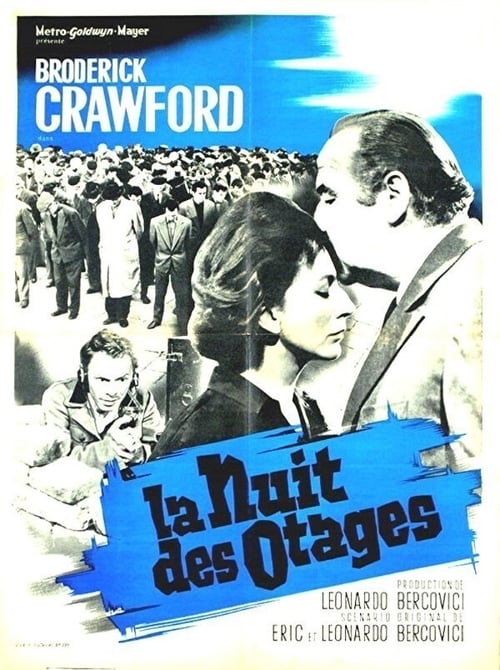
The Four Days of Naples
1962
No user ratings available yet
Representation score: 4.5 out of 10
Representation Score
Limited
1961
Director
Leonardo Bercovici
Runtime
96 minutes
Average Rating
No ratings yetNew Showbiz Analysis
Square of Violence is a character study centered on moral relativism and the psychological erosion of a physician during the German occupation of Italy. The film deconstructs the 'heroic healer' archetype, showing a man forced into ethical compromise by systemic oppression. While the film lacks contemporary markers like LGBTQ+ representation or diverse racial casting, it finds strength in its thematic critique of institutional power. It replaces the cliché of the stable professional with a complex, traumatized agent of resistance. Ultimately, the work functions as an anti-authoritarian narrative. It uses the personal loss of a doctor to explore the tension between professional duty and the violent necessity of sabotage.
Category Breakdown
The film does not include any representation of LGBTQ+ identities. The narrative focuses on the geopolitical trauma and personal grief associated with wartime occupation.
The story centers around a male protagonist and male-dominated military structures. There is no significant portrayal of women's ability to drive the story or subversion of traditional gender roles.
The setting reflects the historical realities of the Italian occupation by German forces. The narrative focuses on the specific demographic landscape of the European WWII theater.
The film portrays resistance against an oppressive state, framing the occupation as a corrupt institution. It emphasizes individual moral decision-making over political hierarchy.
There is no specific mention of physical or neurodivergent disabilities. However, the protagonist's profound grief suggests an exploration of psychological trauma and mental health.
Present on Screen
Limited or Absent
Official Synopsis
Set in Italy, the story takes place in this very country, during WW2, where German occupation army ruled everything, just before the allied forces came, in 1944. Crawford plays here a doctor whose son has been shot by the Germans. Of course he has no more taste in life. He continues his work as a German officers' physician. One day, he throws a bomb just in the middle of German troops. Many soldiers and officers are killed. Some time later, the lead officer of the Nazis troops suspects the doctor to be the responsible of the explosion. He lets him know that he himself knows...
1962
1945

1965
1949
1963

1943
1963
1968
No reviews yet. Be the first to share your thoughts on this movie!
Use the rating form above to leave a star rating and optional review.