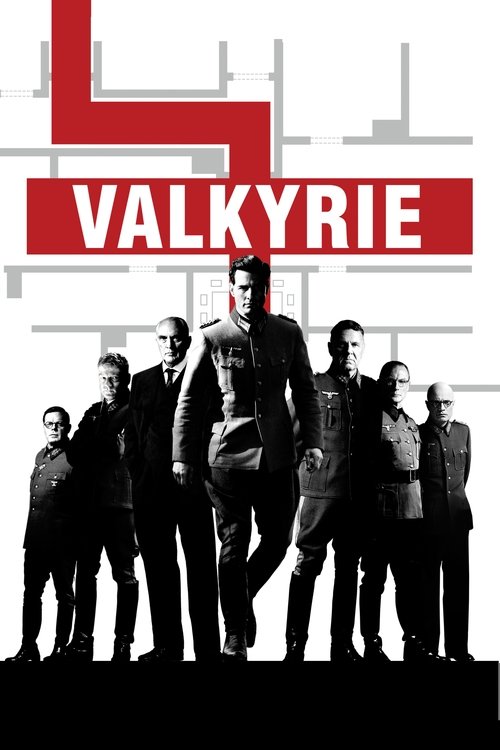
Valkyrie
2008
No user ratings available yet
Representation score: 2.3 out of 10

Representation Score
Fair
1943
ApprovedDirector
Fritz Lang
Runtime
134 minutes
Average Rating
No ratings yetNew Showbiz Analysis
Fritz Lang’s work is a heavy political drama that dismantles the structure of a totalitarian regime. It provides a sophisticated critique of oppressive state systems and the psychological burden of resistance. However, the film is constrained by the cinematic norms of its time. It adheres to traditional gender hierarchies and lacks the broad diversity seen in modern media, particularly in LGBTQ+ and racial representation. Ultimately, the film is a study of national identity and moral imperative within a specific historical context.
Category Breakdown
The film does not include any LGBTQ+ characters or explore non-cisgender identities. The story focuses on the political and survival aspects of the resistance movement.
Men hold the key positions as surgeons and professors. Mascha supports the protagonist but remains in a traditional supporting role rather than a leadership position.
The cast is predominantly of a single ethnicity, reflecting the specific ethnic makeup of Nazi-occupied Czechoslovakia. It serves as a study of national identity rather than showcasing diverse racial backgrounds.
The film effectively critiques institutional oppression by portraying the Nazi state as a predatory force. It delves into the moral necessity of resisting corrupt state authority.
Physical injuries are used to create tension during the escape sequence. There is no detailed exploration of lived disability or neurodivergence as a central character trait.
Present on Screen
Limited or Absent
Official Synopsis
During the Nazi occupation of Czechoslovakia, surgeon Dr. Franticek Svoboda, a Czech patriot, assassinates the brutal "Hangman of Europe", Reichsprotektor Reinhard Heydrich, and is wounded in the process. In his attempt to escape, he is helped by history professor Stephen Novotny and his daughter Mascha.
2008
1941
2016
1987
2016
1967

2009
1974
No reviews yet. Be the first to share your thoughts on this movie!
Use the rating form above to leave a star rating and optional review.