
Paid
1930
No user ratings available yet
Representation score: 1.8 out of 10
Representation Score
Minimal
1923
NRDirector
Frank Lloyd
Runtime
105 minutes
Average Rating
No ratings yetNew Showbiz Analysis
Within the Law presents a strong female lead, Mary Turner, who actively navigates systemic failures with strategic intent. This contrasts sharply with the submissive female roles common in early cinema. However, the film is constrained by the demographic limitations of its time, lacking racial and LGBTQ+ representation, which limits its cultural depth. While it challenges the competence of legal institutions, it remains within the traditional boundaries of 1920s filmmaking, making only modest progress.
Category Breakdown
The film does not include any LGBTQ+ characters or narratives, sticking to the social norms of the 1920s.
Mary Turner stands out as a proactive and intellectually driven character, taking an active role in driving the story instead of being a passive victim.
The film follows the homogeneous casting standards of early Hollywood, with no evidence of a diverse or non-Anglo-Saxon majority cast.
The story critiques the flaws in Western judicial systems through the protagonist's wrongful imprisonment, highlighting the tension between personal morality and societal rules.
There are no specific details regarding the portrayal of physical or neurodivergent disabilities in this work.
Present on Screen
Limited or Absent
Official Synopsis
When Mary Turner is sent to prison for a crime she did not commit, she vows upon her release to take vengeance on those who wronged her, always staying however within the letter of the law.
1930

1972
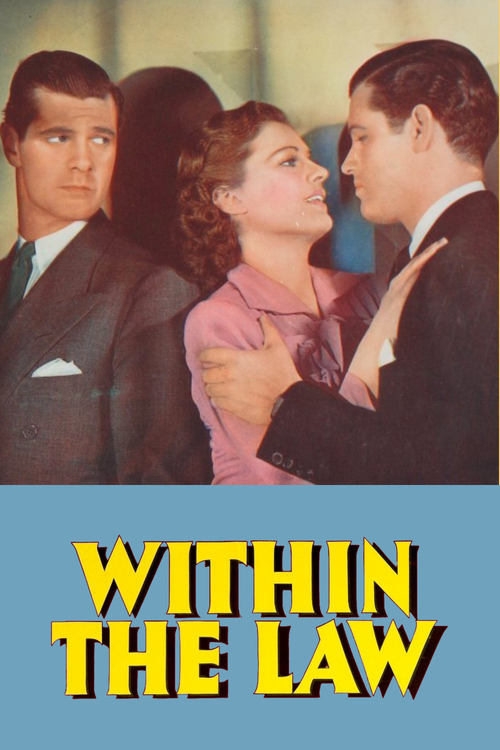
1939
1958
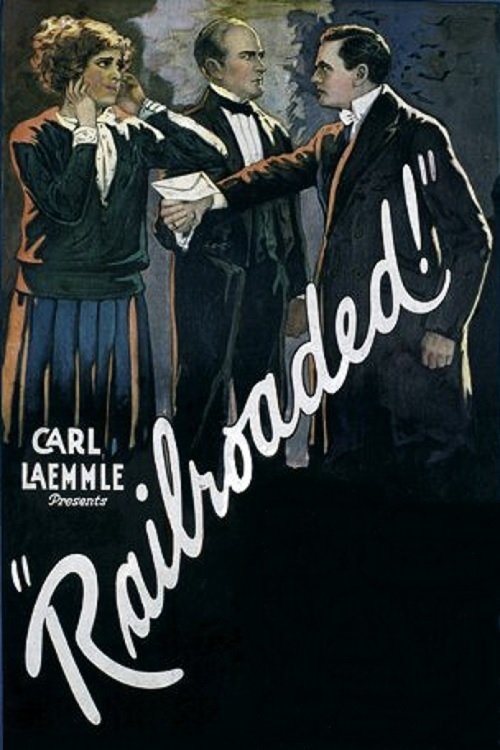
1923

2002
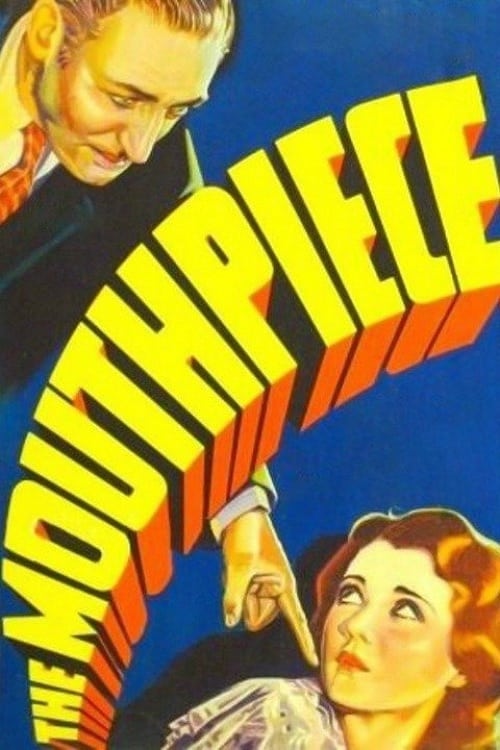
1932

1931
No reviews yet. Be the first to share your thoughts on this movie!
Use the rating form above to leave a star rating and optional review.