
Name the Man
1924
No user ratings available yet
Representation score: 2.7 out of 10
Representation Score
Limited
1917
Director
Victor Sjöström
Runtime
87 minutes
Average Rating
No ratings yetNew Showbiz Analysis
This film is a character study emphasizing moral resilience rather than modern diversity. It lacks representation of race and LGBTQ+ identities, staying true to the homogeneous social structures of early 20th-century Sweden. However, it offers a nuanced portrayal of women's ability to drive the story. Helga, the protagonist, acts as a moral authority who prioritizes ethical integrity over personal gain, avoiding the passive female victim stereotype. Overall, while the film provides depth on gendered ability to act and religious tension, it adheres strictly to the traditional patriarchal and religious hierarchies of its era.
Category Breakdown
The film focuses on a relationship that assumes everyone is straight or cisgender, with no characters having diverse gender identities.
Helga actively influences the courtroom outcome by prioritizing religious integrity, challenging the traditional passive role of women in early cinema.
Set in rural Sweden, the film reflects the limited racial diversity of its time, with no attempts to include actors of different races.
The story examines the conflict between secular laws and religious morals, highlighting the pressures individuals face when dealing with traditional institutions.
There are no visible representations of physical or neurological disabilities in the film.
Present on Screen
Limited or Absent
Official Synopsis
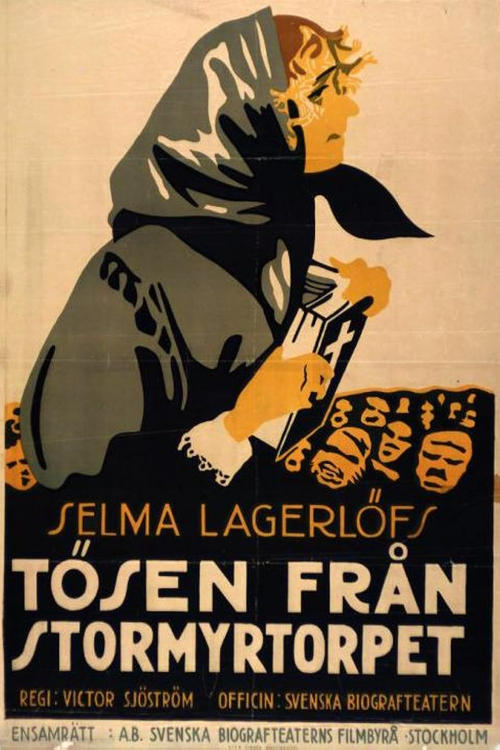
Helga is a young single lady who has a baby by a much older married man. After the older man tells Helga's father that he refuses to pay child support because he isn't the child's father, her father insists that Helga take him to court. On court day, just as the older married man is about to swear on the Bible that he is not the father of Helga's child, Helga suddenly tells the court that she's dropping the case because although the man did father her child, she doesn't want him to commit perjury, which is not only a serious crime but a mortal sin as well.
1924

1920
1927

1929
1912

1953

1924

1917
No reviews yet. Be the first to share your thoughts on this movie!
Use the rating form above to leave a star rating and optional review.