
A Melody to Remember
2016
No user ratings available yet
Representation score: 4.2 out of 10
Representation Score
Good
1998
Director
Lee Kwang-mo
Runtime
120 minutes
Average Rating
No ratings yetNew Showbiz Analysis
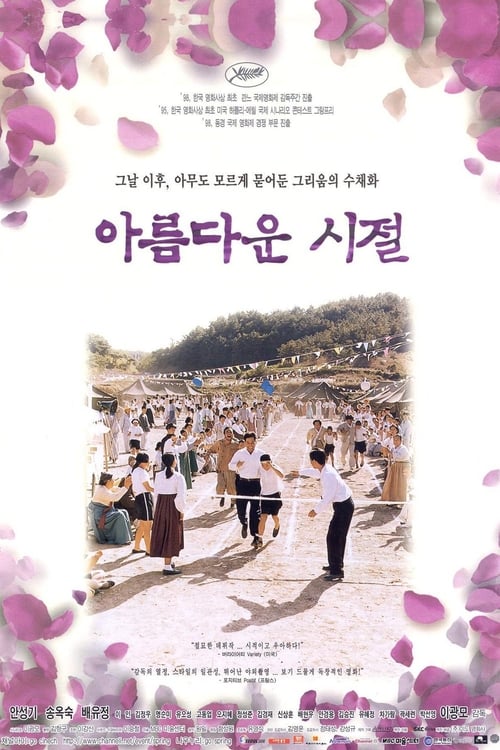
Spring in My Hometown succeeds in challenging the Western-centric perspective on the war genre. By focusing on the Korean experience during the 1952 conflict, it provides a localized, culturally specific narrative that adds important context to a global historical event. However, the film appears to rely heavily on traditional social structures. The focus on two male protagonists suggests a narrow focus on masculine perspectives, which may limit the range of gendered experiences portrayed. Ultimately, the film's strength lies in its cultural specificity. While it lacks explicit evidence of diverse identities regarding gender or disability, its contribution to non-Western cinematic history is significant.
Category Breakdown
The film explores the bond between two young males during social upheaval. However, there is no explicit evidence of non-straight relationships or romantic subtext.
The narrative centers on masculine perspectives through its two male protagonists. It likely navigates the traditional gender hierarchies and social structures inherent to a 1952 wartime setting.
As a South Korean production, the film offers a non-Western perspective on the Korean War. It prioritizes indigenous ability to act over the conventional Western-centric gaze found in many war dramas.
The setting engages with the disruption of traditional village life and geopolitical power dynamics. It provides a nuanced view of how broader social conflicts impact local communities.
There is no specific evidence regarding the portrayal of physical or neurodivergent disabilities. The narrative does not indicate if disability is a central element.
Present on Screen
Limited or Absent
Official Synopsis
A story about two village boys, Sungmin and Changhee, in the summer of 1952, during the Korean War.
2016

2002
1961
2005
1995
1965
2009
1984
No reviews yet. Be the first to share your thoughts on this movie!
Use the rating form above to leave a star rating and optional review.