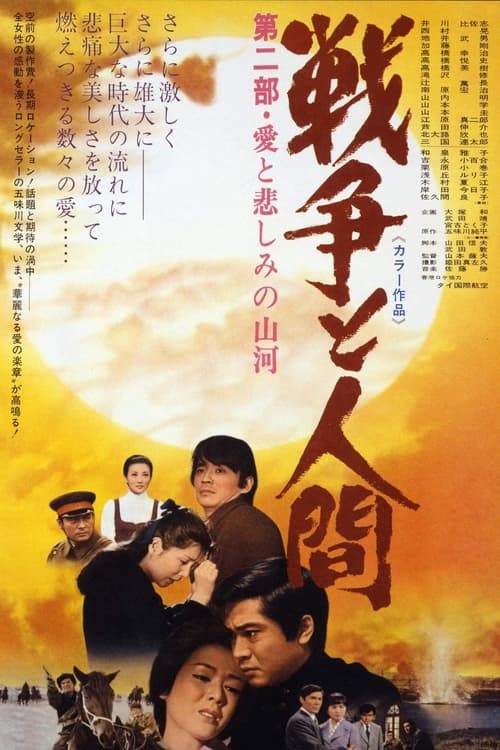
Men and War II: Land of Love and Sorrow
1971
No user ratings available yet
Representation score: 8.0 out of 10
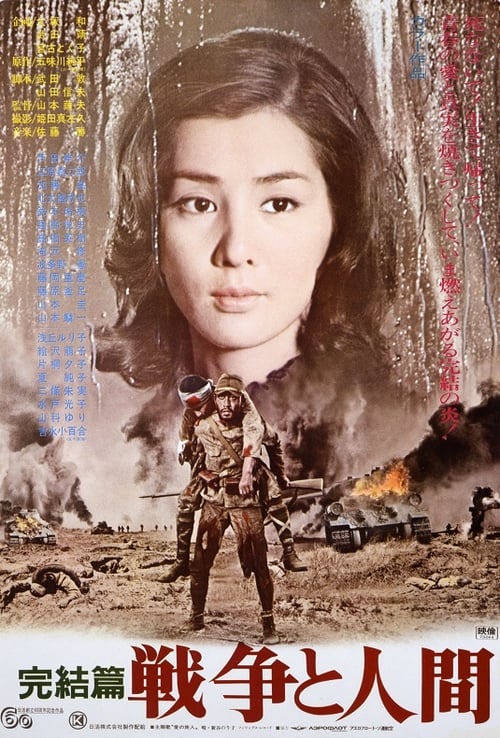
Representation Score
Good
1973
Director
Satsuo Yamamoto
Runtime
187 minutes
Average Rating
No ratings yetNew Showbiz Analysis
Satsuo Yamamoto’s direction offers a detailed look at systemic breakdown. The film excels at deconstructing nationalist sentiment and exploring the fragility of family life under geopolitical pressures. However, the work adheres to the socio-historical norms of 1970s Japanese cinema. Gender and identity roles follow traditional lines, often limiting women to survival roles and men to combat. While the film captures the multi-ethnic tensions of the Sino-Japanese War, it lacks depth in LGBTQ+ representation and risks using physical disabilities as symbols of tragedy rather than character development.
Category Breakdown
The film does not include explicit LGBTQ+ characters or identities that go beyond the assumption that everyone is straight. The story focuses on the Godai family and follows traditional social structures of the time.
Women play roles defined by survival and endurance within the domestic sphere. They often face the consequences of conflict but may have less influence over the plot compared to men.
The story involves Japanese, Chinese, and Soviet populations, showing the complexities of ethnic tensions and the shared suffering of civilians caught up in the war.
The film criticizes the state and military institutions by presenting the war as a systemic tragedy rather than a nationalist victory. Traditional institutions are deconstructed to highlight the human cost.
Physical injuries and the psychological impact of combat are central themes. However, injuries might be used as narrative tools to emphasize tragedy rather than giving characters meaningful roles.
Present on Screen
Limited or Absent
Official Synopsis
As Japan's war of aggression against China intensifies, beginning with the Nanjing Massacre in December 1937, Kohei, who had secretly married Junko, the second daughter of the Godai family, deploys to the front lines, witnessing the atrocities of the Japanese army firsthand. Meanwhile, Shunsuke also takes to the front lines of the battlefield, engaging in a fierce battle against the Soviet army at Nomonhan.
1971
1961
1970
1959
2008

1942
2022
1983
No reviews yet. Be the first to share your thoughts on this movie!
Use the rating form above to leave a star rating and optional review.