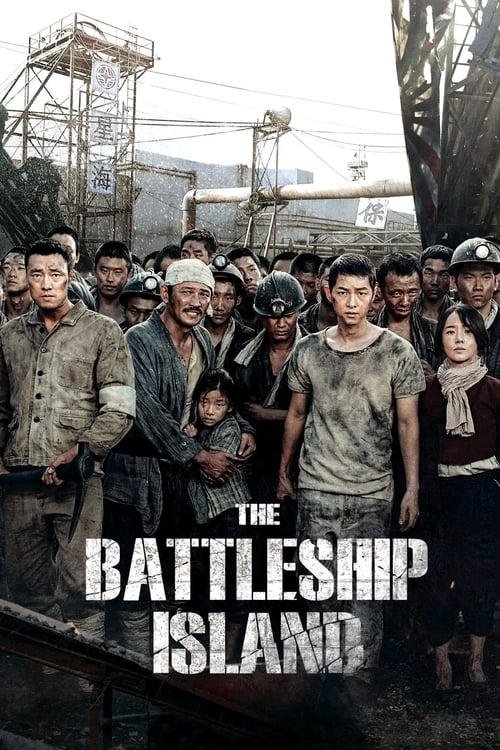
The Battleship Island
2017
No user ratings available yet
Representation score: 5.8 out of 10
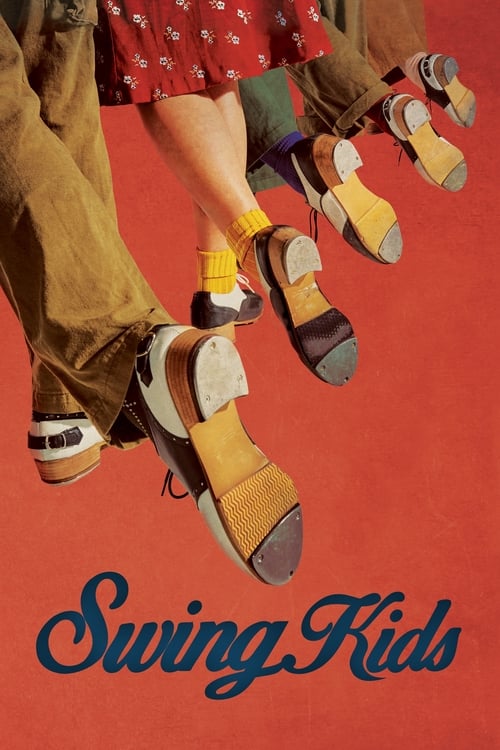
Representation Score
Good
2018
TV-14Director
Kang Hyoung-chul
Runtime
133 minutes
Average Rating
No ratings yetNew Showbiz Analysis
Swing Kids is a powerful post-colonial drama that explores the tension between personal passion and systemic oppression. By focusing on the reclamation of Korean identity during Japanese occupation, the film offers a nuanced view of ethnic ability to act and resistance. The narrative employs the subculture of swing dancing as a means of rebellion against colonial conformity. This approach allows the characters to assert their cultural identity and human dignity against a dominant, external power structure. However, the film lacks depth in other areas of representation, such as LGBTQ+ identities or disability.
Category Breakdown
The film does not include explicit representations of non-straight or non-cisgender identities. Instead, it emphasizes the camaraderie among the dancers and their collective fight for artistic freedom.
Park Ji-hyun’s character as a dancer highlights female empowerment by challenging traditional gender roles. She plays a crucial role in the troupe's artistic journey rather than being a mere stereotype.
This film focuses on reclaiming Korean identity during Japanese occupation, highlighting the struggle against systemic oppression and ethnic resistance. It centers on the experiences of individuals fighting against colonial dominance.
The film uses swing dancing to critique the rigid structures of colonial society. It celebrates subcultural expression as a form of rebellion against imperialist institutions.
The film does not center on neurodivergence or visible disabilities as primary storylines. Physical rigor is emphasized as a symbol of discipline, but the film does not explore disability in depth.
Present on Screen
Limited or Absent
Official Synopsis
Rebellious Ki-soo from North Korea is mesmerized by tap dance in prison camps. Ki-soo joins as a team member of a dance team named 'Swing Kids'. Yet suddenly, their dreams about dancing in prison camps are put in danger.
2017
2002
1998
1993

2016
2018
1954
2018
No reviews yet. Be the first to share your thoughts on this movie!
Use the rating form above to leave a star rating and optional review.