
Kuhle Wampe or Who Owns the World?
1932
No user ratings available yet
Representation score: 5.5 out of 10
Representation Score
Fair
1937
Director
Antonio Sau Olite
Runtime
60 minutes
Average Rating
No ratings yetNew Showbiz Analysis
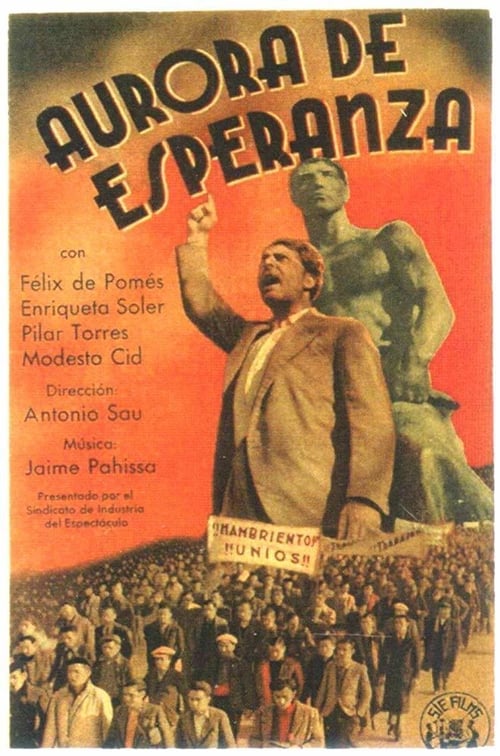
Dawn of Hope is a significant social film that uses the backdrop of the Spanish Civil War to challenge institutional authority. It frames the family as a unit under economic pressure rather than a stable entity. The film effectively critiques the existing socio-economic system by highlighting the struggles of the unemployed and the rise of social agitation. However, the film remains centered around a traditional nuclear family structure, limiting its inclusivity. The absence of LGBTQ+ or disability representation further restricts its scope.
Category Breakdown
The story focuses on a nuclear family dealing with economic hardships. There are no characters with non-cisgender identities or same-sex relationships.
The film emphasizes the role of the wife, who takes on challenging work to support her family. The male character evolves from a traditional worker to a revolutionary leader.
The cast likely reflects the demographic makeup of Spain during the 1930s. The story centers on class identity and the working class rather than racial diversity.
The film critiques capitalism and state institutions, emphasizing anarchist ideals and collective struggle over traditional religious or individual morality.
There is no mention of characters dealing with physical, sensory, or neurodivergent disabilities in the available information.
Present on Screen
Limited or Absent
Official Synopsis
Barcelona 1936: Juan is a victim of factory closures and rebels—first on his own, then alongside his coworkers. As they begin a hunger march, the revolution breaks out and they take up arms.
1932

1925
1937
1963
1936
1954
1932
1995
No reviews yet. Be the first to share your thoughts on this movie!
Use the rating form above to leave a star rating and optional review.