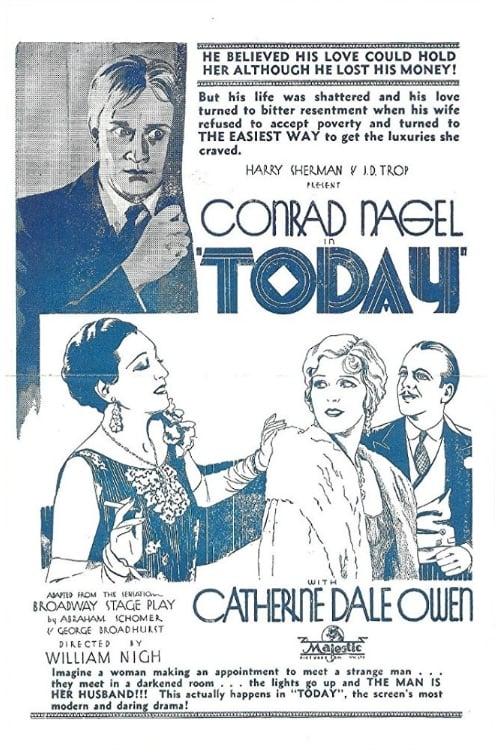
Today
1930
No user ratings available yet
Representation score: 0.9 out of 10

Representation Score
Limited
1932
Director
Stelios Tatasopoulos
Runtime
62 minutes
Average Rating
No ratings yetNew Showbiz Analysis
Social Decay is a class-driven drama that prioritizes systemic economic critique over diverse identity. The narrative focuses on the transition from individual academic struggle to collective proletarian labor, framing poverty as a transformative force. While the film excels in its cultural commentary regarding class struggle and anti-capitalist themes, it lacks breadth in other areas. The representation of gender and sexuality remains tethered to traditional, often restrictive, period clichés. Ultimately, the film's strength lies in its social observation rather than its demographic variety. It provides a focused look at the economic pressures of 1932 Greece through a singular, homogeneous lens.
Category Breakdown
The story centers on a heterosexual romance between the protagonist and a leading actress. It lacks any visible LGBTQ+ identities or critiques of the assumption that everyone is straight or cisgender.
The female lead's role is limited by economic hardship, leading to a transactional relationship. She primarily serves as a catalyst for the male lead's disillusionment.
The narrative appears to focus on a homogeneous social stratum. There is no indication of multi-ethnic casting or diverse ethnic identities within the story.
The film offers a strong critique of capitalist structures. It highlights the struggles of the working class and the corrupting influence of wealth on morality.
The film contains no mention of characters navigating physical, sensory, or neurodivergent conditions.
Present on Screen
Limited or Absent
Official Synopsis
A poor university student, Ntinos Vristhenis, has abandoned his studies due to financial difficulties and is searching for a job. He is hired as an actor in a troupe, where he meets and falls in love with the leading actress. When she yields to a businessman who promises her a bright future, Nikos, feeling disappointed, leaves the theater. Poverty forces him to join the proletariat and become a tobacco worker in order to make ends meet.
1930

1961
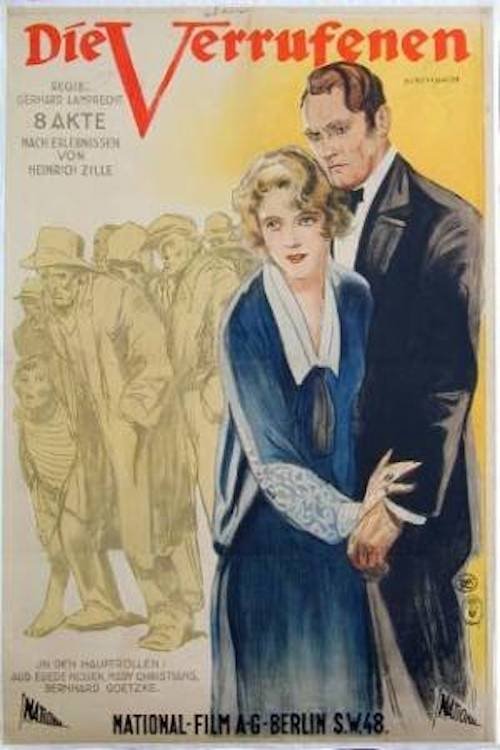
1925
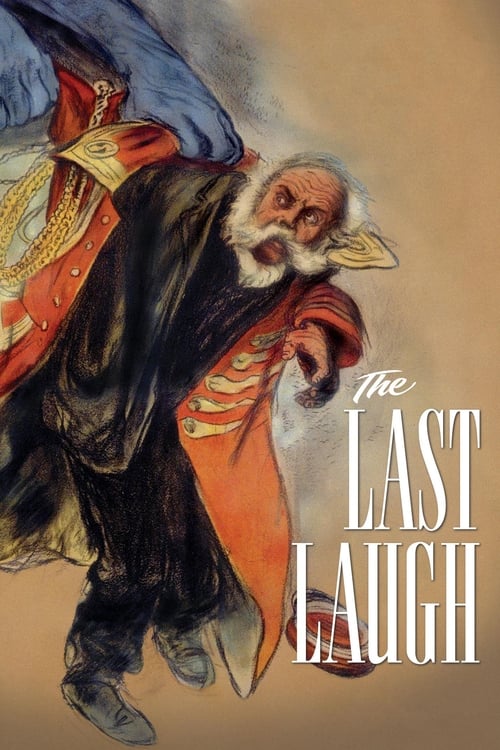
1924

1937
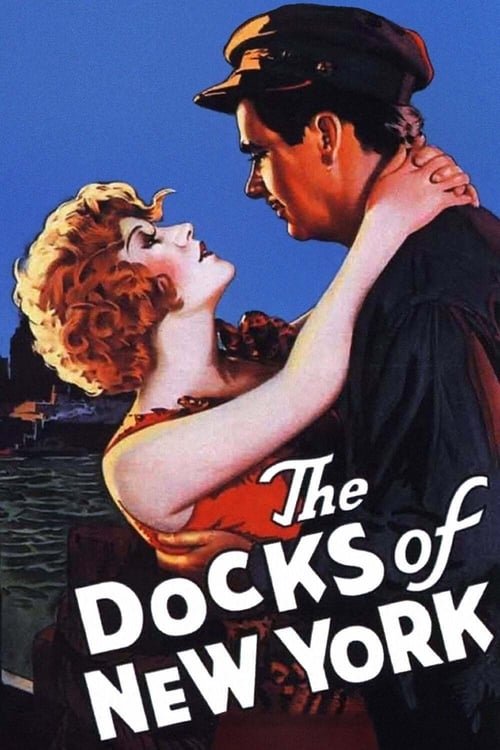
1928

1932
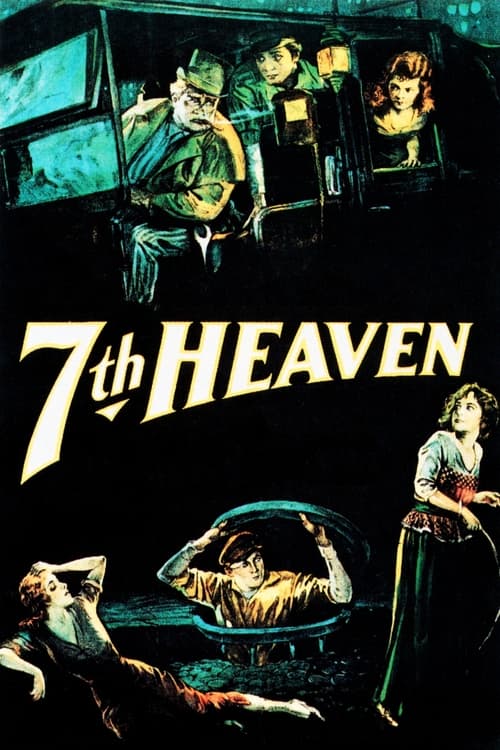
1927
No reviews yet. Be the first to share your thoughts on this movie!
Use the rating form above to leave a star rating and optional review.