
Kuhle Wampe or Who Owns the World?
1932
No user ratings available yet
Representation score: 5.5 out of 10
Representation Score
Limited
1937
Director
Martin Frič
Runtime
92 minutes
Average Rating
No ratings yetNew Showbiz Analysis
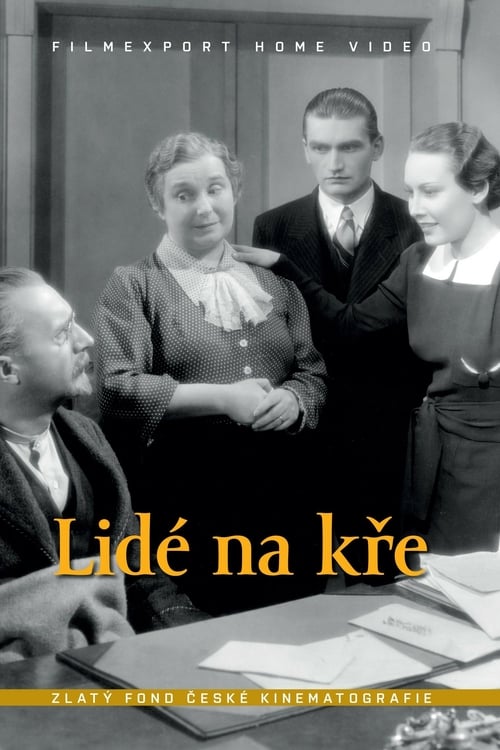
Martin Frič’s drama serves as a social critique of the Great Depression, focusing on the erosion of middle-class stability. The film prioritizes class-based struggles and the deconstruction of patriarchal hierarchies over modern identity markers. While the film lacks LGBTQ+ or significant racial diversity, it offers a nuanced look at how economic failure challenges traditional values. The narrative centers on the friction between intellectual idealism and the lived experiences of a struggling professional class. Ultimately, the work functions as a period-specific study of systemic instability rather than a vehicle for characters who reflect more than one aspect of diversity.
Category Breakdown
The film does not include any representation of LGBTQ+ identities. The storyline focuses solely on traditional family and economic dynamics.
The film highlights early signs of female empowerment through characters like Pavla, a doctor. This role challenges the traditional domestic roles of women in the 1930s.
Reflecting the 1937 Czechoslovakian context, the film appears to have a homogeneous ethnic cast. The plot emphasizes class and economic issues rather than racial diversity.
The film uses social realism to critique established institutions during an economic crisis. It explores the tension between idealistic visions and the harsh realities of systemic instability.
There is no information available regarding the inclusion of characters with physical or neurodivergent disabilities.
Present on Screen
Limited or Absent
Official Synopsis
The economic crisis affects the lives of many people. Professor Václav Junek gradually discovers how significantly his idealistic vision differs from the real life of his four children. The eldest son Zdeněk has been an unemployed engineer for two years. Daughter Pavla, a doctor, works in a hospital for a very low salary. The second daughter Hanka has left her job as a stenographer and wants to become a film actress...
1932

1925
1932
1924
1933

1945
1943

1928
No reviews yet. Be the first to share your thoughts on this movie!
Use the rating form above to leave a star rating and optional review.