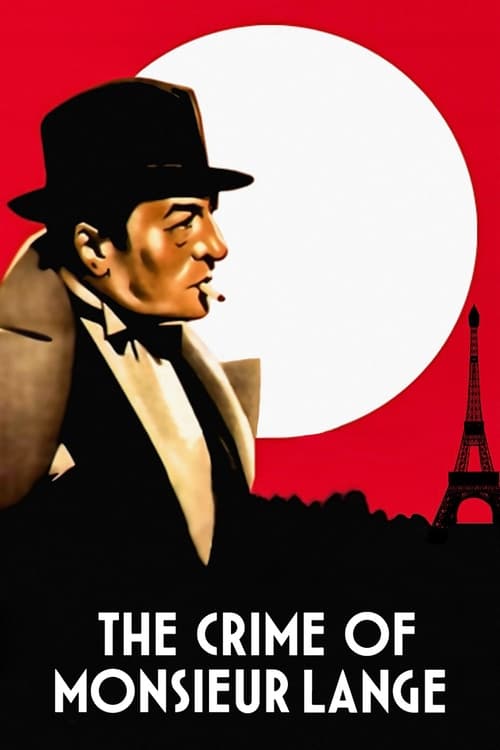
The Crime of Monsieur Lange
1936
No user ratings available yet
Representation score: 2.9 out of 10
Representation Score
Minimal
1963
Not RatedDirector
Mario Monicelli
Runtime
130 minutes
Average Rating
No ratings yetNew Showbiz Analysis
Mario Monicelli’s film is a sophisticated study of class dynamics and the friction between labor and industrial capital. It utilizes social realism to deconstruct power structures, prioritizing the collective ability to act of the working class over individualist social hierarchies. While the film lacks diversity in terms of gender, race, and LGBTQ+ representation, it excels in its thematic depth regarding systemic justice. It frames the struggle against industrial elites as a necessary movement toward empowerment. Ultimately, the film's impact stems from its progressive intent to disrupt traditional hierarchies, even as it adheres to the demographic norms of its historical setting.
Category Breakdown
The film focuses strictly on the socioeconomic realities of the Italian industrial working class. There is no presence of LGBTQ+ identities or queer-coded subtext.
The narrative centers on the male-dominated sphere of union organizing. Women play peripheral roles rather than driving the central political or industrial conflicts.
Set in a localized Italian community, the film presents a relatively homogeneous cast. The focus remains on class-based identity rather than racial or ethnic diversity.
The film offers a robust critique of capitalist structures and industrial oppression. It prioritizes collective struggle and systemic justice over traditionalist or religious dogma.
There is no evidence of characters with visible or invisible disabilities serving as central narrative drivers or being addressed through a lens of impairment.
Present on Screen
Limited or Absent
Official Synopsis
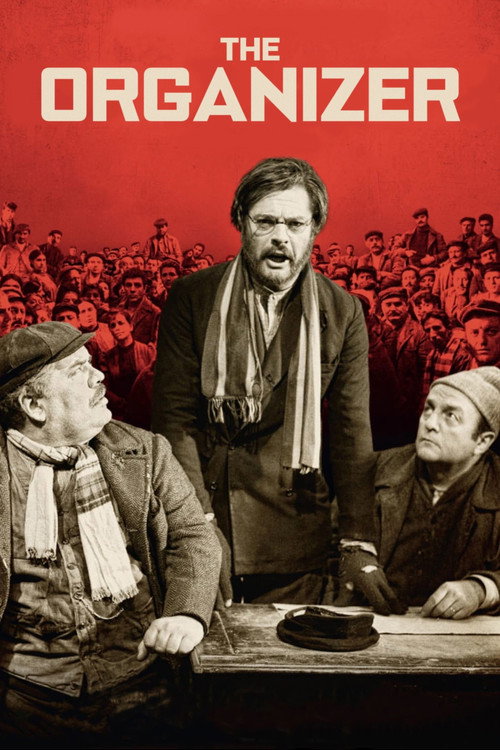
In the late 19th century, a former high school teacher turned unionist tries to organize workers laboring with inhuman conditions at a textile factory in Turin, Italy.
1936
1971
1972
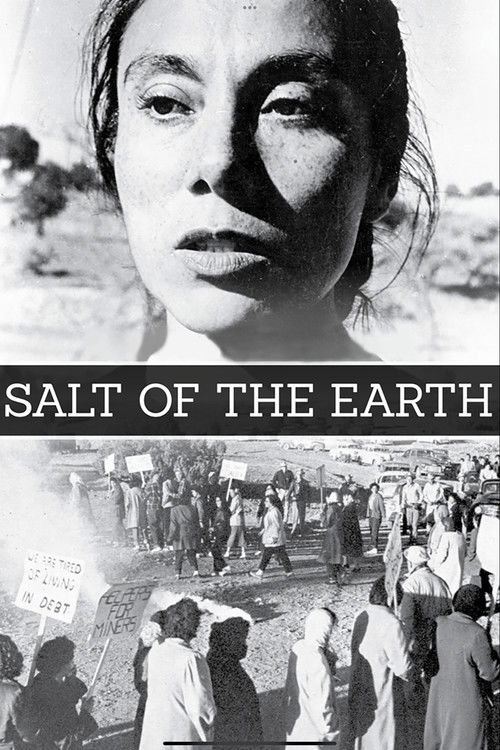
1954
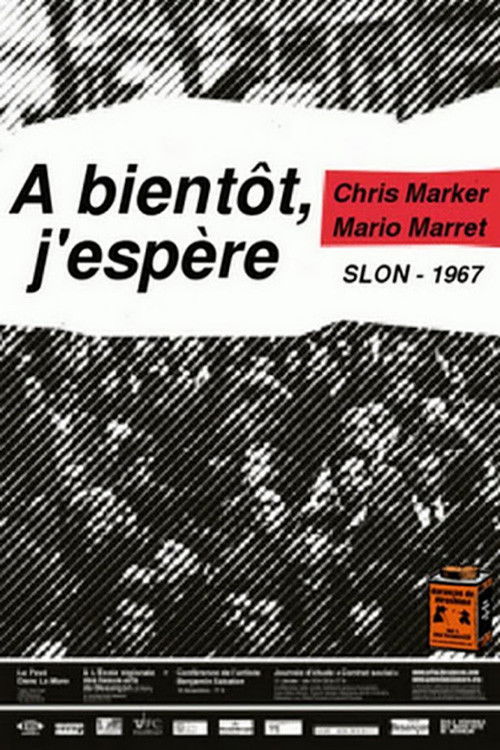
1968

1958
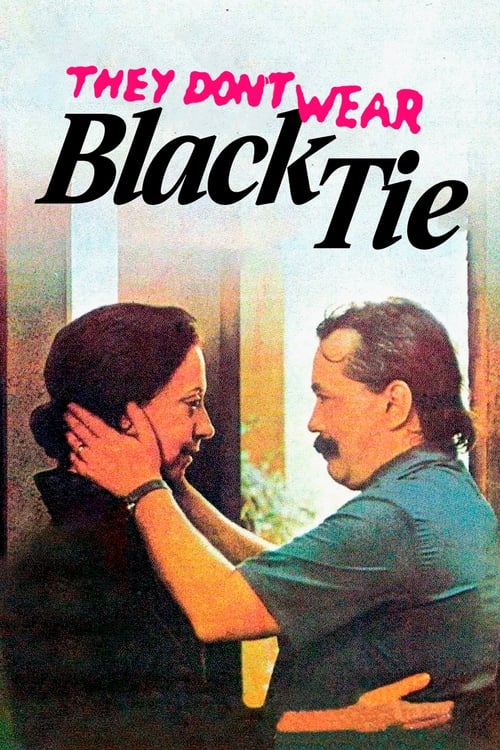
1981
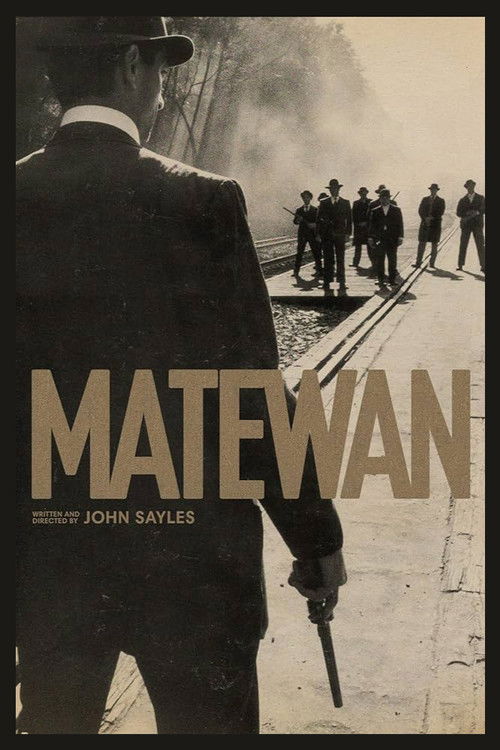
1987
No reviews yet. Be the first to share your thoughts on this movie!
Use the rating form above to leave a star rating and optional review.