Matewan
1987
No user ratings available yet
Representation score: 3.1 out of 10
Representation Score
Fair
1954
Not RatedDirector
Herbert J. Biberman
Runtime
94 minutes
Average Rating
No ratings yetNew Showbiz Analysis
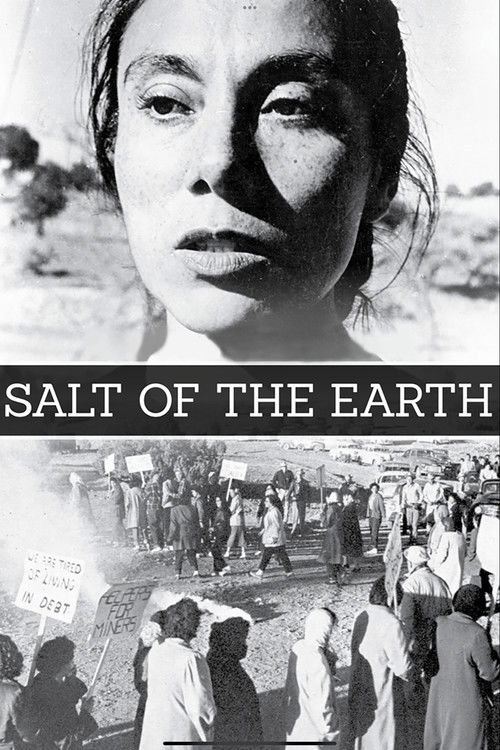
Salt of the Earth is a seminal work that disrupts the status quo of the 1950s. It excels in deconstructing both gendered and racialized power dynamics by placing underrepresented identities at the center of the struggle. The film moves beyond including someone from a minority group without giving them real depth, specifically elevating Mexican-American women to the role of essential political drivers. This shift provides a nuanced critique of mid-century gender norms and the intersection of race and class. While the film lacks LGBTQ+ representation, its explicit critique of capitalist structures and traditional authority makes it a foundational text of resistance.
Category Breakdown
The film contains no LGBTQ+ characters or themes. The narrative focuses exclusively on ethnicity, gender, and class within a 1950s social framework.
The story shifts the focus from men to women, giving female characters like Esperanza a central role in driving the plot. This move subverts traditional gender hierarchies.
This landmark film centers a Mexican-American cast and avoids white savior clichés. It portrays racial identity and labor struggles as the central lens of the conflict.
The narrative offers a profound critique of capitalism and corporate exploitation, prioritizing collective solidarity and situational morality over state-sanctioned legalism.
There are no depictions of visible or invisible disabilities central to the narrative arc.
Present on Screen
Limited or Absent
Official Synopsis
At New Mexico's Empire Zinc mine, Mexican-American workers protest the unsafe work conditions and unequal wages compared to their Anglo counterparts. Ramon Quintero helps organize the strike, but he is shown to be a hypocrite by treating his pregnant wife, Esperanza, with a similar unfairness. When an injunction stops the men from protesting, however, the gender roles are reversed, and women find themselves on the picket lines while the men stay at home.
1987

1976

1975

1963
1984

1958

1970
2000
No reviews yet. Be the first to share your thoughts on this movie!
Use the rating form above to leave a star rating and optional review.