
The End of St. Petersburg
1927
No user ratings available yet
Representation score: 3.9 out of 10
Representation Score
Fair
1926
Not RatedDirector
Vsevolod Pudovkin
Runtime
87 minutes
Average Rating
No ratings yetNew Showbiz Analysis
Pudovkin’s film serves as a visual exploration of class awareness. It effectively challenges traditional social hierarchies by presenting the dismantling of the Tsarist state as a necessary evolution of society. The movie stands out in its critique of established power structures, particularly targeting the State, Church, and Capital. By highlighting the proletariat as the primary force of history, it defies conventional expectations of social stability. However, the film lacks contemporary markers of diversity. While it offers a strong critique of systemic oppression, it does not represent LGBTQ+ identities or disabilities.
Category Breakdown
The film does not depict any non-straight relationships or queer stories. It stays within the historical context of 1926 Soviet propaganda.
The story follows Pelageya Nilovna Vlasova's transformation from a passive housewife to a politically active woman. This journey challenges traditional patriarchal structures by giving the main character significant influence.
The film focuses on the Russian working class and is ethnically uniform. It emphasizes the shared struggles of workers over specific ethnic differences.
The film criticizes monarchical and religious institutions explicitly. It portrays the collapse of traditional social orders as a necessary liberation for the community.
There are no significant depictions of physical or neurodivergent disabilities in the main storyline.
Present on Screen
Limited or Absent
Official Synopsis
A Soviet woman is caught between her husband and son, who find themselves on opposing sides of the Russian Revolution.
1927

1925

1956

1930
1933
1954
1990
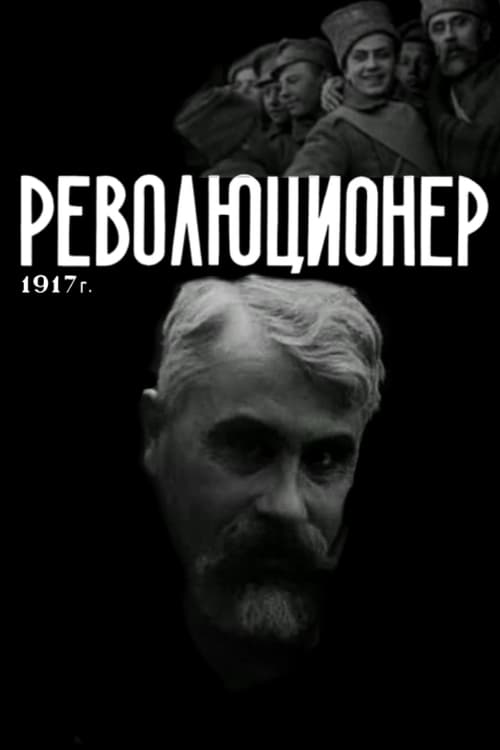
1917
No reviews yet. Be the first to share your thoughts on this movie!
Use the rating form above to leave a star rating and optional review.