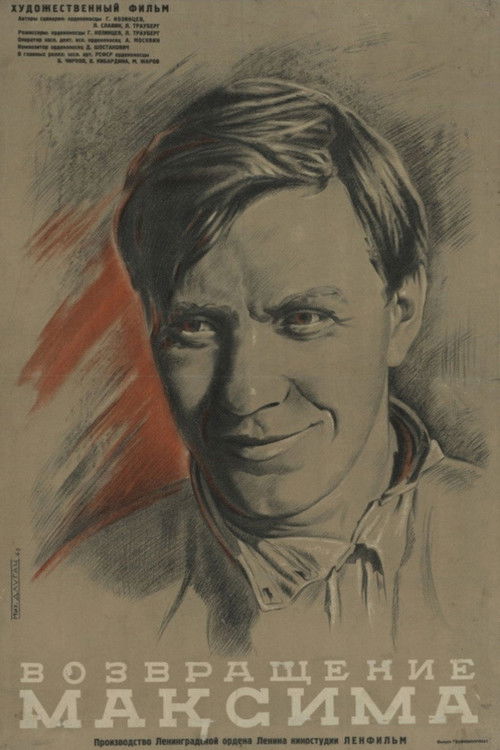
The Return of Maxim
1937
No user ratings available yet
Representation score: 2.9 out of 10
Representation Score
Limited
1939
Director
Grigori Kozintsev, Leonid Trauberg
Runtime
92 minutes
Average Rating
No ratings yetNew Showbiz Analysis
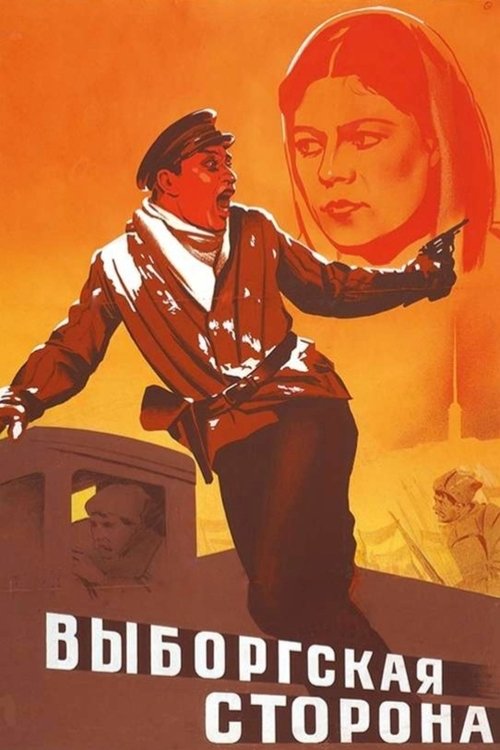
The Vyborg Side is a quintessential piece of revolutionary cinema that prioritizes systemic upheaval over identity. Its narrative strength lies in the deconstruction of old-world hierarchies, specifically targeting Tsarist and capitalist structures. While the film succeeds in presenting a non-Western, collectivist social order, it operates within the rigid character archetypes of 1939. The focus on class-based identity leaves little room for the representation of gender, sexuality, or disability. Ultimately, the film is a study of political and social transformation. It achieves high marks for cultural disruption but remains limited by the era's emphasis on masculine, proletarian archetypes.
Category Breakdown
The film does not include any LGBTQ+ characters or narratives. The story focuses solely on class struggle and the establishment of the state.
Men like Maxim and Lenin play key roles in the story. The film emphasizes masculine archetypes of strength and political leadership typical of the time.
The narrative centers the ability to act of the Soviet working class against Western colonialism. However, it lacks specific evidence of a multi-ethnic cast or diverse ethnic character arcs.
The film effectively portrays the dismantling of Tsarist and capitalist institutions. It promotes a collectivist framework that replaces traditional religious and monarchical social orders.
There is no evidence of characters with physical or neurodivergent disabilities being portrayed with ability to act or as central to the plot.
Present on Screen
Limited or Absent
Official Synopsis
The final part of trilogy about the life of a young factory worker, Maxim. Following the Russian Revolution, Maksim is appointed state commissar in charge of the national bank. With great efforts, he learns the complexies of the banking trade and begins to fight off sabotaging underlings. Dymba, now a violent enemy of the Republic, tries to rob a wine store but is arrested with Maksim's help. Maksim also exposes a conspiracy of a group of tsarist officers who prepare an attempt against Lenin. He then joins the Red Army in its fight against the German occupation.
1937
1925
1927

1930
1932
1932
1929
1936
No reviews yet. Be the first to share your thoughts on this movie!
Use the rating form above to leave a star rating and optional review.