
The End of St. Petersburg
1927
No user ratings available yet
Representation score: 3.9 out of 10
Representation Score
Limited
1933
Director
Vsevolod Pudovkin
Runtime
105 minutes
Average Rating
No ratings yetNew Showbiz Analysis
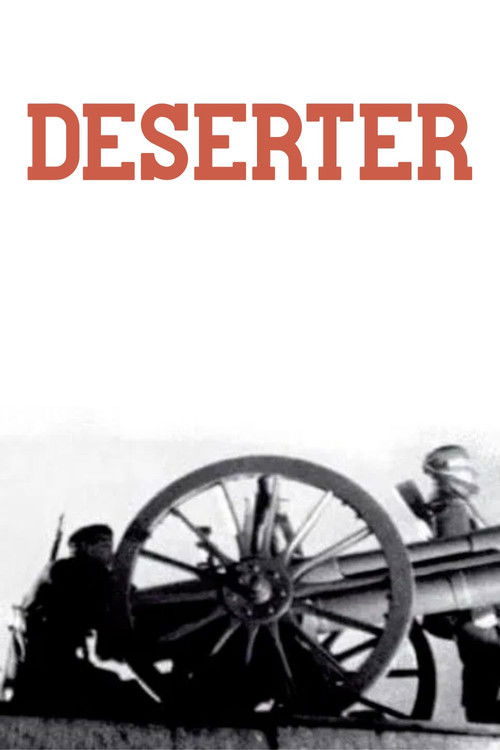
Deserter is a film deeply committed to the collective over the individual. It provides a strong, authentic portrayal of early Soviet cinema, focusing on class identity as the primary lens for storytelling. However, this focus limits modern identity representation. The film lacks any meaningful presence of LGBTQ+ individuals, people with disabilities, or diverse gender roles, sticking to rigid, traditionalist archetypes. Ultimately, the work is a specialized historical artifact offering high cultural specificity regarding revolutionary values but remains narrow in depicting human identity and social diversity.
Category Breakdown
The film follows a strict traditionalist approach with no narratives addressing non-straight or non-cisgender identities. It does not explore any LGBTQ+ themes or identities.
The narrative is dominated by masculine leadership and the soldierly archetype. Women play minor roles and do not have the power to drive the main plot forward.
The casting is very uniform, reflecting the ethnic Russian population of the time. The film emphasizes class identity over ethnic diversity.
The film promotes anti-capitalist and pro-communist ideas. It prioritizes the revolutionary collective over individual freedom and Western concepts of personal liberty.
There is no representation of physical, sensory, or neurodivergent disabilities. Characters are defined by their usefulness to the class struggle.
Present on Screen
Limited or Absent
Official Synopsis
A wise and forgiving communist leader decides to send a young worker, Karl Renn, as an international delegate to the Soviet Union after the worker had deserted a picket-line and had expressed doubts about the methods of class struggle in in his own country.
1927

1930
1926

1925

1932

1995
1929
1960
No reviews yet. Be the first to share your thoughts on this movie!
Use the rating form above to leave a star rating and optional review.