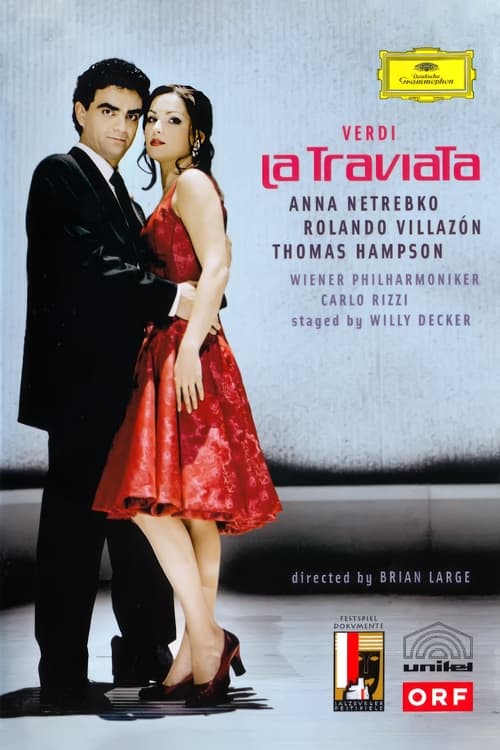
La traviata
2005
No user ratings available yet
Representation score: 5.3 out of 10
Representation Score
Limited
2007
PGDirector
Hannes Rossacher, Rudi Dolezal
Runtime
122 minutes
Average Rating
No ratings yetNew Showbiz Analysis
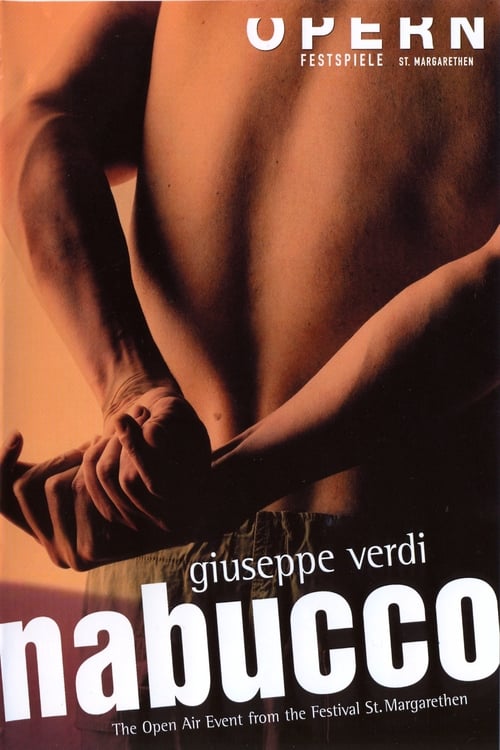
This filmed production of Verdi's *Nabucco* serves as a high-spectacle preservation of classical musical heritage. It prioritizes technical excellence, grand scale, and faithful execution of a 19th-century libretto over modern social commentary. The narrative structure is inherently tied to historical and mythological clichés. While the production features strong individual performances and a grand setting, it primarily upholds the grandeur of the operatic tradition rather than challenging existing social hierarchies. Ultimately, the work offers limited engagement with modern progressive or multi-layered approaches, focusing instead on the aesthetic and cultural preservation of Western high art.
Category Breakdown
The production follows the traditional libretto of Verdi’s opera without depicting any non-binary gender identities or critiques of the assumption that everyone is straight or cisgender.
Female characters like Abigail and Fenena play significant roles in driving the emotional arc of the story. However, these characters operate within established hierarchies that do not explicitly challenge traditional gender roles.
Casting and aesthetics are influenced by the ancient Near Eastern setting. While performers like Simon Yang are included, the production adheres to historical and mythological clichés.
The work celebrates Western classical traditions and high art. Themes revolve around classical notions of power and divinity, aligning with traditional Western operatic values.
There are no visible or mentioned depictions of characters with physical or neurodivergent disabilities in this performance.
Present on Screen
Limited or Absent
Official Synopsis
St. Margarethen is a magnificent structure and a grand setting for Nabucco. This venue, along with the gorgeous costumes, spectacular lighting, lasers and pyrotechnics made for one grand, five star production! This is reason enough to see it and it must be an advantage to view it on DVD.--It would probably be harder to digest the whole spectacle if you were actually sitting in the audience, as there is so much to take in. The whole cast was in great form, both in singing and acting. Simon Yang as Zaccaria and Igor Morosow as Nabucco were excellent. Gabriella Morigi was a convincing Abigail who got better and better. Bruno Ribeiro as Ismaele and Elisabeth Kulman as Fenena were great, too.
2005
1994
1955

1954
1978
1940
1970
1984
No reviews yet. Be the first to share your thoughts on this movie!
Use the rating form above to leave a star rating and optional review.