
El amor brujo
1986
No user ratings available yet
Representation score: 4.0 out of 10
Representation Score
Minimal
1949
GDirector
Carmine Gallone
Runtime
96 minutes
Average Rating
No ratings yetNew Showbiz Analysis
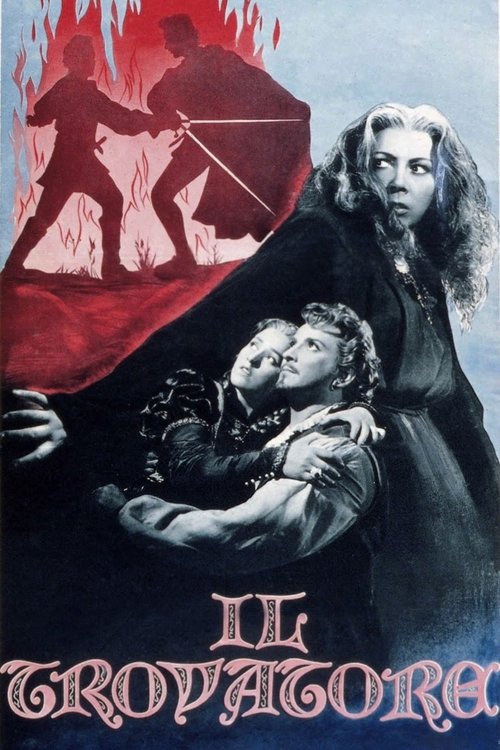
Carmine Gallone’s adaptation prioritizes the grand spectacle of Verdi’s opera over contemporary social subversion. The film functions as a traditional preservation of operatic heritage, adhering to mid-century aesthetic frameworks. While the film provides a platform for the Romani experience through Azucena, it remains anchored in conservative social hierarchies. The narrative relies on classical melodrama and tragic fatalism rather than challenging established norms. Ultimately, the production reflects the period's conventions, focusing on aristocratic honor and traditional gendered archetypes. It offers ethnic inclusion but lacks depth in gender ability to act or queer representation.
Category Breakdown
The film follows a strictly heterosexual romantic structure. There are no non-cisgender identities or critiques of traditional romantic pairings.
Female characters like Leonora are often depicted through romantic victimhood. While Azucena holds narrative weight, her power stems from maternal vengeance rather than subverting gender roles.
The story centers on tensions between Spanish nobility and the Romani community. Azucena provides ethnic representation, though the depiction relies on stylized clichés of the outsider.
The plot explores systemic injustice and blood feuds between classes. However, it operates within traditional honor codes rather than critiquing Western institutions or societal morality.
There are no discernible depictions of visible or invisible disabilities serving as central narrative elements.
Present on Screen
Limited or Absent
Official Synopsis
Azucena, daughter of a Gypsy burnt at the stake, to take her revenge kidnaps one of the children of Count de Luna and raises him in secret as her own.
1986
1949
1955
1938
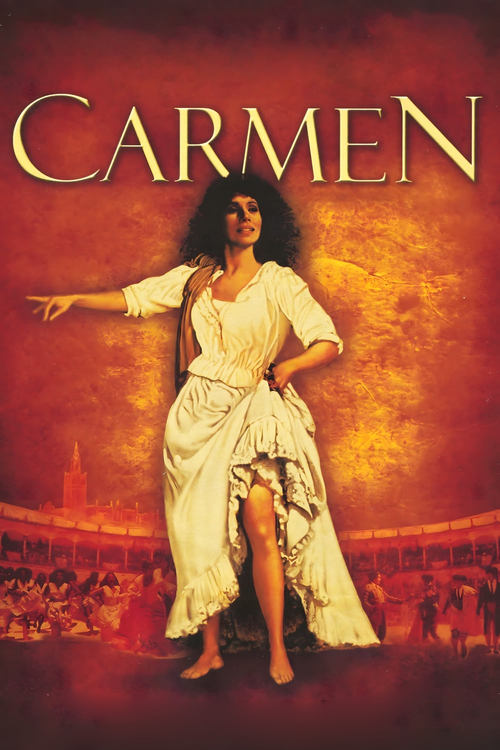
1984
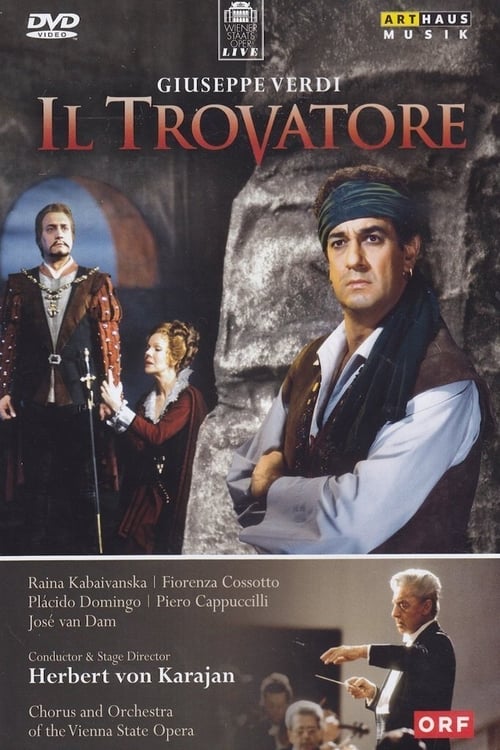
1978
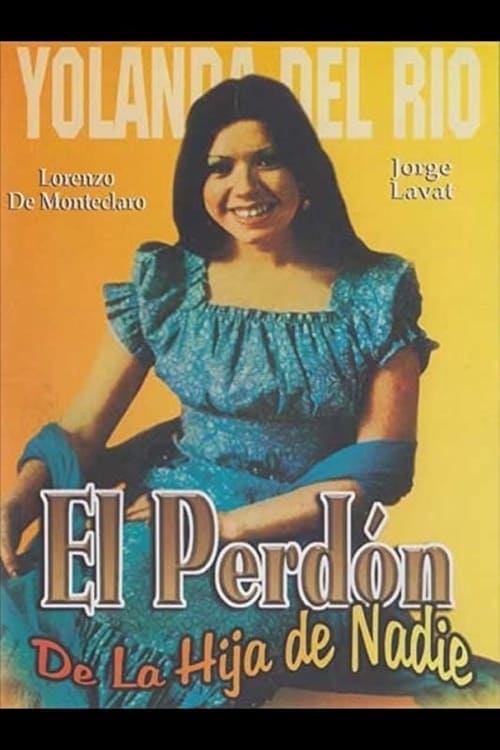
1980

1949
No reviews yet. Be the first to share your thoughts on this movie!
Use the rating form above to leave a star rating and optional review.