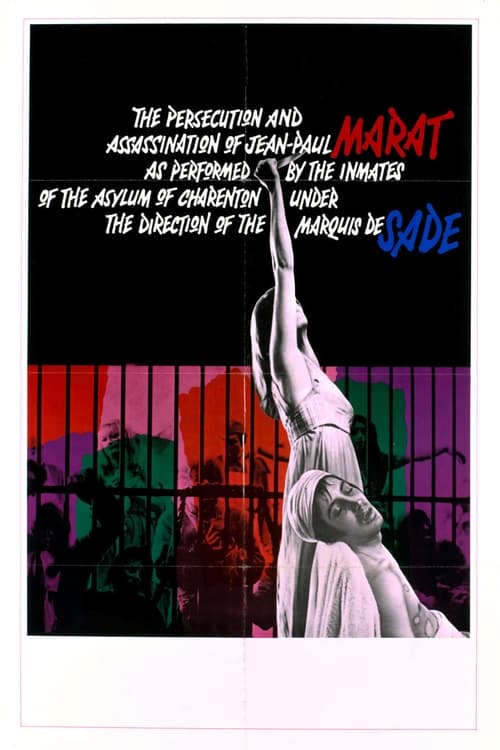
The Persecution and Assassination of Jean-Paul Marat as Performed by the Inmates of the Asylum of Charenton Under the Direction of the Marquis de Sade
1967
No user ratings available yet
Diversity score: 5.6 out of 10
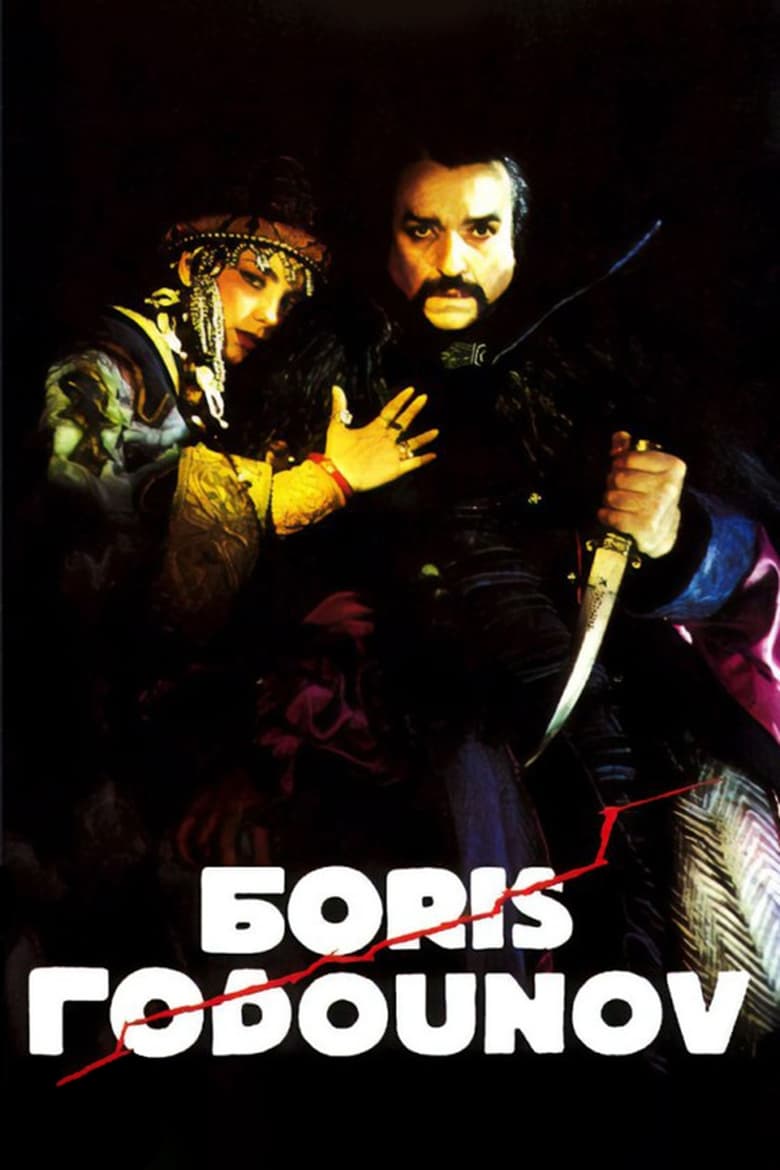
1989
Director
Andrzej Żuławski
Runtime
115 minutes
Average Rating
No ratings yetSynopsis
A possible impostor torments a newly crowned medieval czar who may have ordered the real successor's death.
Overall Score
Limited
Category Breakdown
LGBTQ+ Representation
The film focuses on political mechanics and the psychological collapse of the czar. There is no evidence of same-sex intimacy or non-cisnormative identities within this historical framework.
Gender Representation
Women are portrayed through intense interpersonal maneuvering rather than submissive domesticity. However, the film does not explicitly center female intellect to subvert masculine leadership.
Racial & Ethnic Diversity
The cast is predominantly white and ethnically Russian to maintain historical realism. It lacks modern intersectional diversity in favor of period-accurate demographic representation.
Religious & Cultural Diversity
The narrative deconstructs the Russian Orthodox Church, portraying it as a site of corruption. It challenges the idea of traditional institutions as stabilizing or benevolent forces.
Disability Representation
The film explores the protagonist's psychological deterioration and perceived madness. These depictions risk using mental instability primarily as a dramatic plot device for exploring guilt.
Strengths
Areas for Improvement
AI Analysis
Andrzej Żuławski’s film is a work of historical deconstruction rather than demographic inclusion. It prioritizes a visceral, psychological exploration of power over modern social representation. While it lacks diversity in terms of race and sexual orientation, it offers a progressive critique of systemic structures. The film succeeds in challenging the sanctity of monarchy and organized religion. It replaces traditional stability with a postmodern view of corruption and moral ambiguity. This systemic critique provides a different form of progressive value despite low scores in traditional metrics. Ultimately, the film's adherence to its 16th-century Russian setting limits its intersectional breadth. It functions as a period-accurate reflection of its era, focusing on the fragmentation of the human psyche under absolute authority.
No reviews yet. Be the first to share your thoughts on this movie!
Use the rating form above to leave a star rating and optional review.