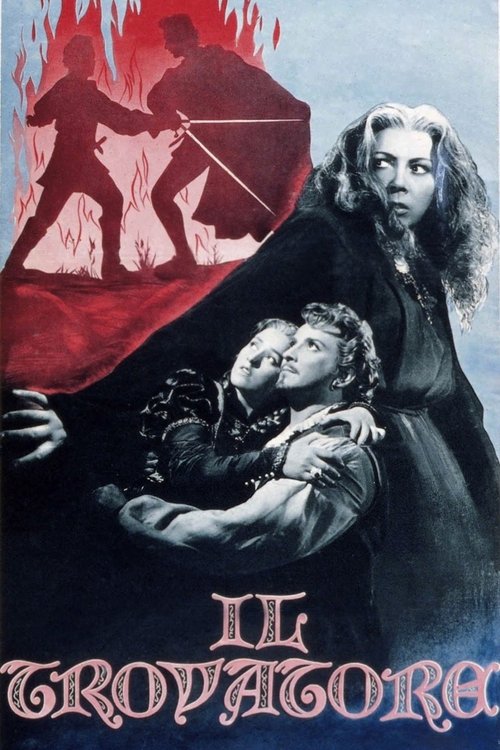
Il trovatore
1949
No user ratings available yet
Representation score: 1.9 out of 10
Representation Score
Minimal
1949
ApprovedDirector
Carmine Gallone
Runtime
87 minutes
Average Rating
No ratings yetNew Showbiz Analysis
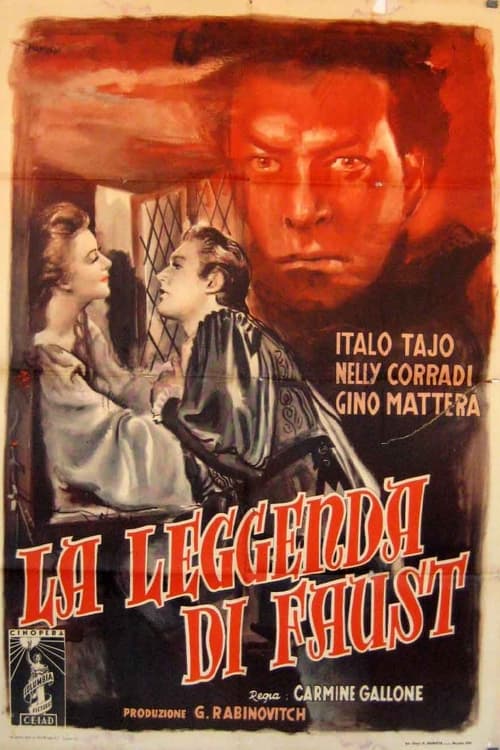
Carmine Gallone’s production is a traditional work that upholds operatic and theological traditions. It adheres to the formal aesthetic standards of high-culture European traditions without challenging social norms. The film operates within a strict framework of classical hierarchies. By centering the narrative on a singular, Western-centric moral perspective, it avoids the complexity of diverse viewpoints found in more modern cinema. Ultimately, the film reinforces established religious, gendered, and racial structures inherent to its 1949 production context and its 19th-century source material.
Category Breakdown
The film focuses on the tragic romance between Faust and Marguerite, with no representation of same-sex relationships or non-binary gender identities.
Marguerite is portrayed as a pure figure whose role is largely defined by male characters. The film follows traditional gender roles that prioritize male spiritual journeys over female independence.
The cast is composed entirely of white actors, reflecting a Eurocentric world without any non-white characters or attempts to diversify the historical setting.
The film emphasizes traditional Western religious and moral values, using faith to define right and wrong. It portrays secular activities as leading to spiritual downfall.
The film does not address physical or cognitive disabilities. Character struggles are focused on metaphysical and moral issues rather than physical or sensory impairments.
Present on Screen
Limited or Absent
Official Synopsis
Goethe's drama and Gounod's opera "Faust" is treated here like a movie rather than the usual photographed-opera from a stage method. Faust is a man who sells his soul to Mephistopheles in exchange for eternal youth, and the latter, with guileful glee, leads Faust to disaster along the paths of pleasure. Marguerite falls in love with Faust, and suffers as a consequence.
1949
1960
1984
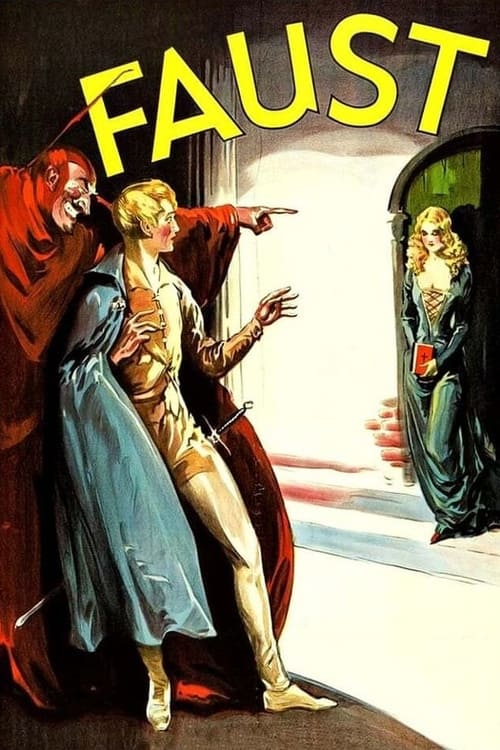
1926
2005
1939
1928
1958
No reviews yet. Be the first to share your thoughts on this movie!
Use the rating form above to leave a star rating and optional review.