Riding the Sunset Trail
1941
No user ratings available yet
Diversity score: 2.9 out of 10
1946
ApprovedDirector
Robert Emmett Tansey
Runtime
59 minutes
Average Rating
No ratings yetSynopsis
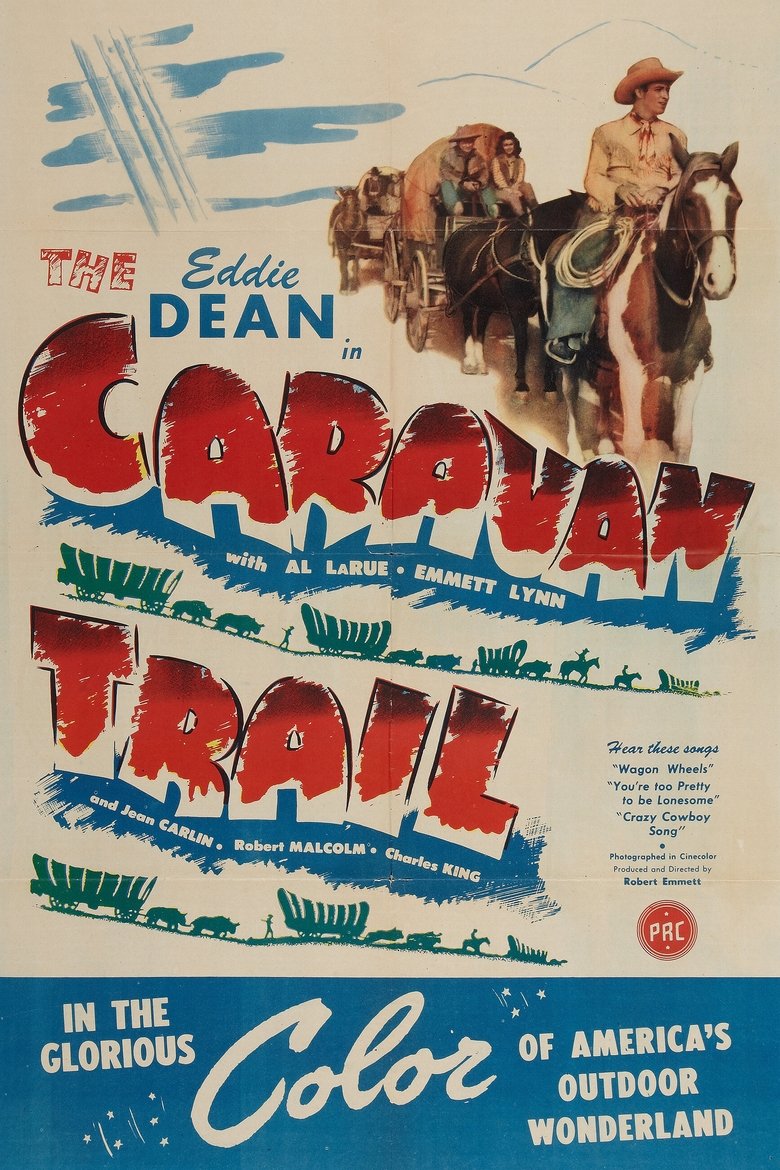
The Caravan Trail stars PRC Pictures' resident singing cowboy Eddie Dean. This time around, wagonmaster Dean is appointed sheriff of a lawless frontier territory. Immediately getting down to business, our hero goes after a band of land-grabbing outlaws who've been terrorizing the homesteaders. The film is stolen hands down by supporting play Al LaRue, who as "Lash" LaRue would eventually be awarded a western series of his own. Like most of Eddie Dean's 1946 releases, The Caravan Trail was lensed in the two-hued Cinecolor process. Read more at http://www.allmovie.com/movie/the-caravan-trail-v8165#ome2SWX8mH31k9yd.99
Overall Score
Minimal
Category Breakdown
LGBTQ+ Representation
The film operates within a standard heteronormative framework. There is no evidence of non-cisnormative identities or narratives that critique traditional social structures.
Gender Representation
Narrative agency is centered on male figures like the singing cowboy and outlaws. Female characters appear to function as homesteaders requiring protection rather than plot drivers.
Racial & Ethnic Diversity
The film likely depicts a homogeneous frontier typical of 1946 productions. Conflict dynamics prioritize Anglo-Saxon perspectives regarding land ownership and frontier expansion.
Religious & Cultural Diversity
The story promotes traditional Western values, such as the sanctity of private property. It reinforces established social and legal institutions through the restoration of order.
Disability Representation
There is no indication of characters with disabilities being portrayed with agency. Physical impairments are not explored beyond the era's common stereotypical tropes.
Strengths
Areas for Improvement
AI Analysis
The Caravan Trail is a quintessential mid-century B-Western that prioritizes archetypal heroism over social complexity. The narrative reinforces traditional hierarchies, focusing on masculine authority and the protection of property rights. By centering the plot on a singing cowboy transitioning into a lawman, the film upholds established notions of frontier justice. It functions as a formulaic genre piece designed to maintain social stability rather than challenge it. Ultimately, the film lacks intersectional depth. It adheres to the rigid conventions of its era, offering a narrow view of the American West that avoids systemic critique or diverse representation.
1941
1934
1934
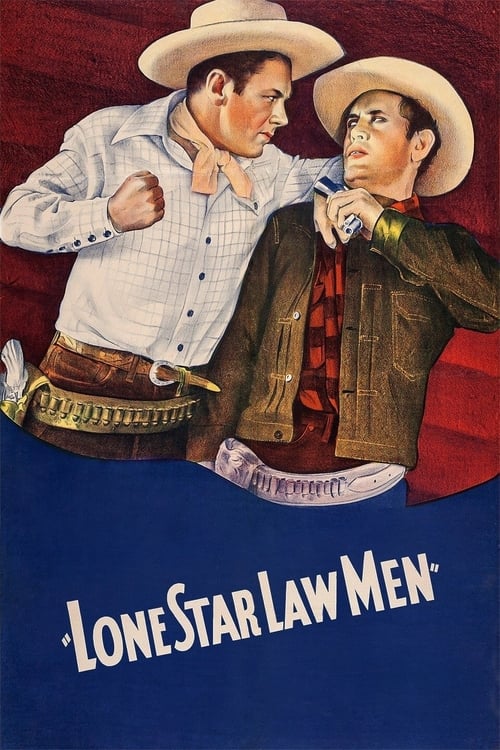
1941
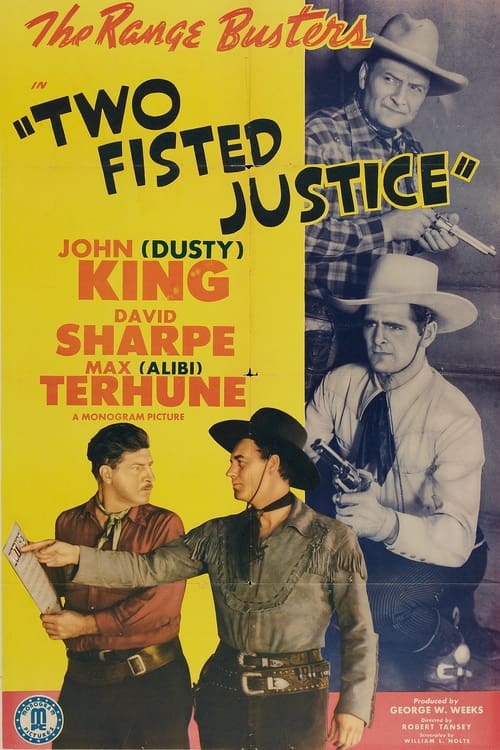
1943
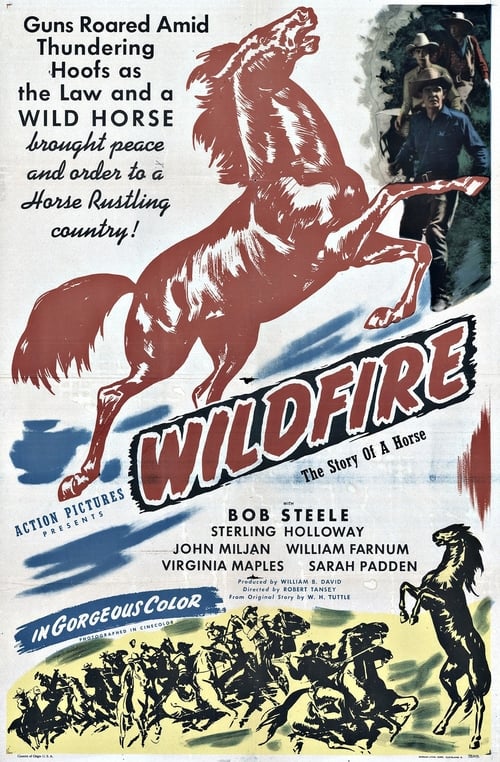
1945
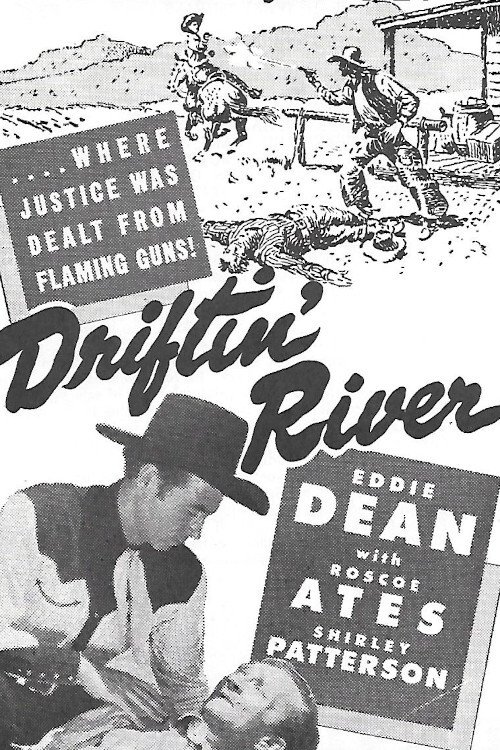
1946
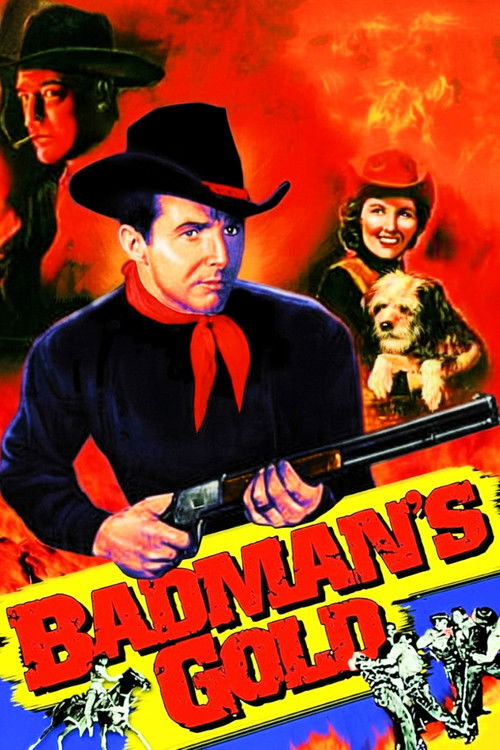
1951
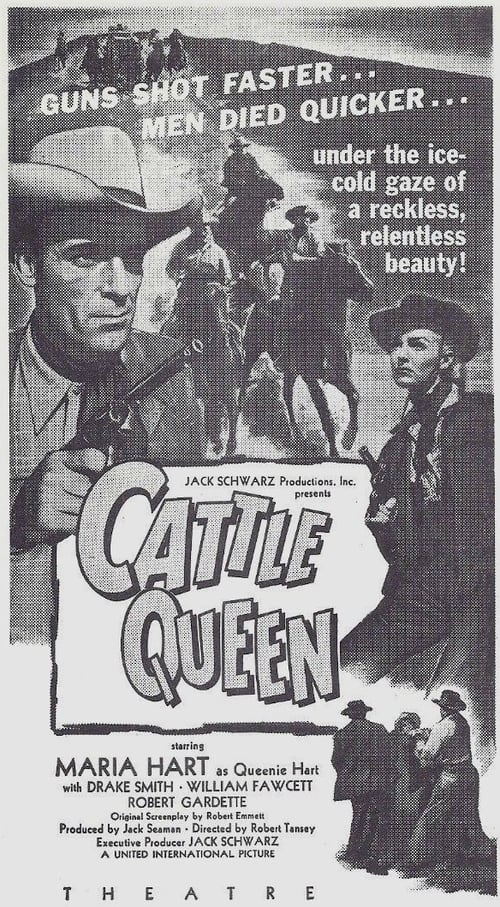
1951
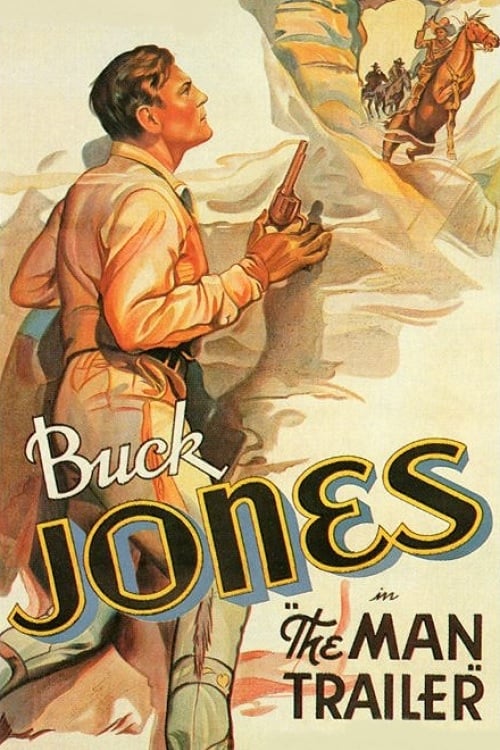
1934
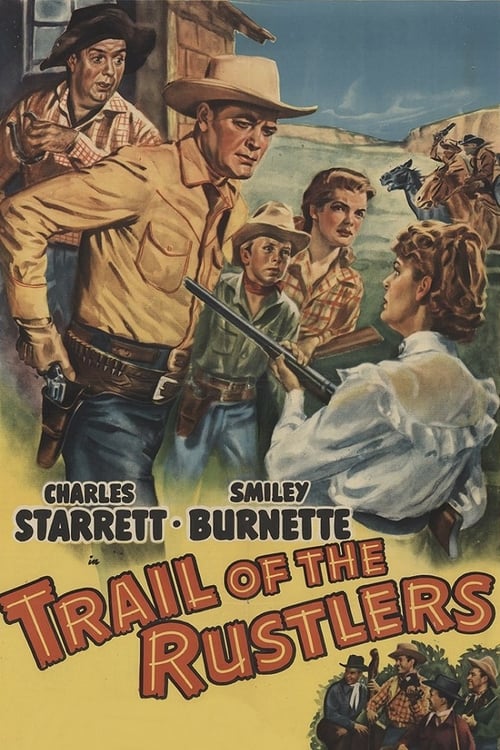
1950
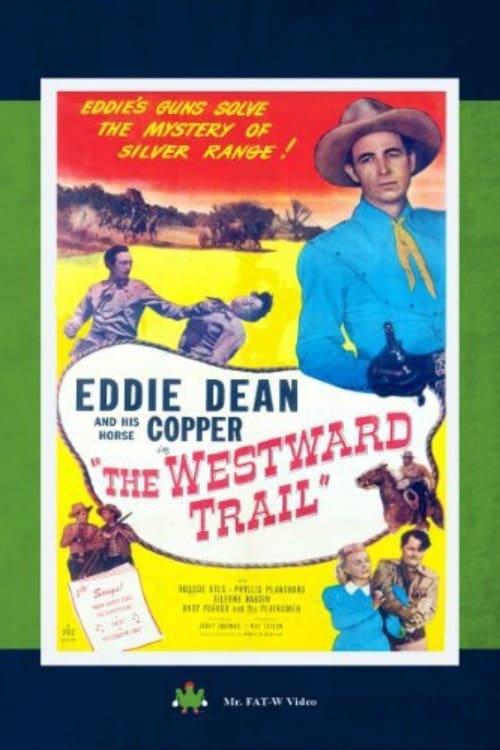
1948
No reviews yet. Be the first to share your thoughts on this movie!
Use the rating form above to leave a star rating and optional review.