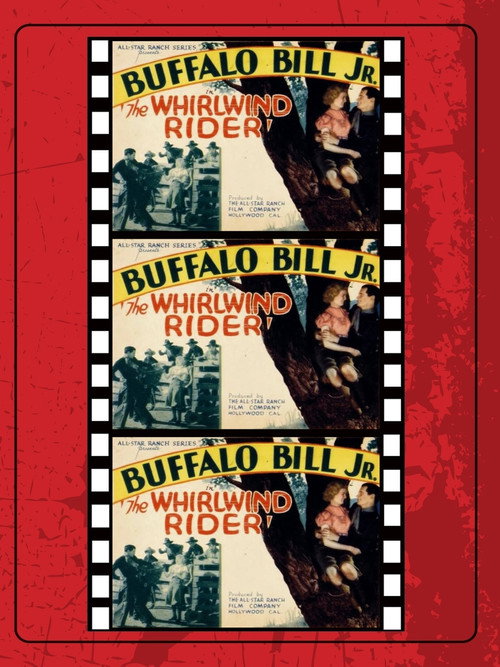
The Whirlwind Rider
1934
No user ratings available yet
Representation score: 1.1 out of 10
Representation Score
Minimal
1934
PassedDirector
Robert Emmett Tansey
Runtime
19 minutes
Average Rating
No ratings yetNew Showbiz Analysis
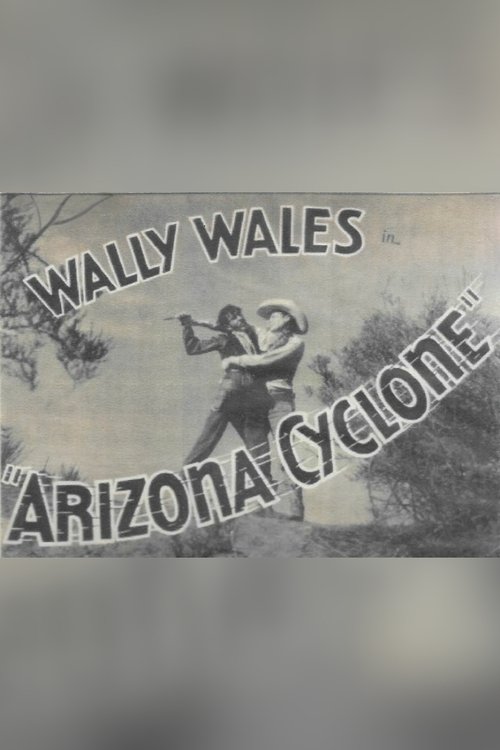
Arizona Cyclone is a traditional B-Western that closely follows the genre conventions of the 1930s. The narrative revolves around a cowboy who defends established social structures from external threats. The film emphasizes clear moral boundaries and traditional roles, which limits complex character development. By relying on conventional archetypes, the story reinforces the stability of the existing social order. Overall, Arizona Cyclone adheres to the genre standards of its time, validating the status quo through its reliance on traditional roles and moral dichotomies.
Category Breakdown
The film follows the traditional social norms of the 1930s, focusing on heterosexual relationships and excluding any representation of LGBTQ+ identities.
The story centers around a male protagonist who protects a banker and his daughter. The female characters play passive roles, reinforcing traditional gender dynamics.
The film reflects the era's predominantly white-centric narratives, lacking diverse casting and the use of non-human symbols to represent different ethnicities.
The story upholds traditional Western institutions and capitalist values, presenting a clear moral divide between law and order versus chaos.
There are no characters with visible or invisible disabilities in the film, and disability is not used as a narrative device.
Present on Screen
Limited or Absent
Official Synopsis
A cowboy comes to the aid of a banker and his daughter who are fighting outlaws.
1934
1939
1937
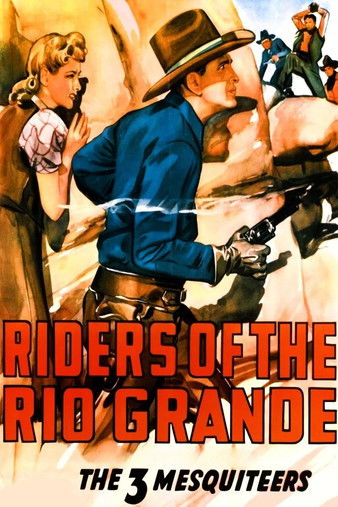
1943
1934
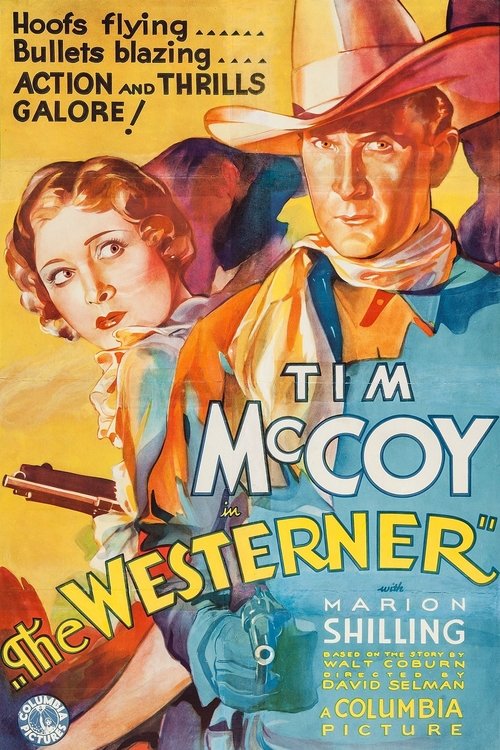
1934
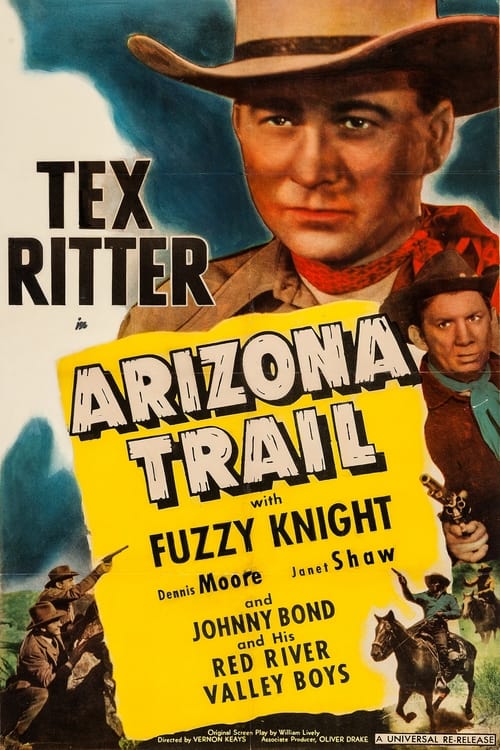
1943
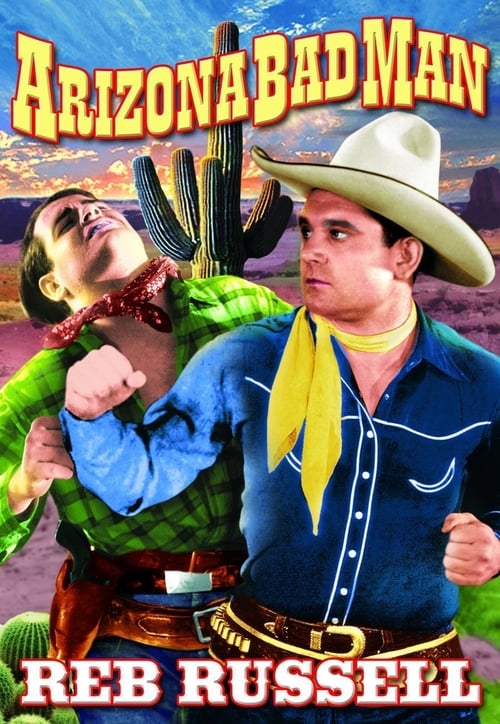
1935
No reviews yet. Be the first to share your thoughts on this movie!
Use the rating form above to leave a star rating and optional review.