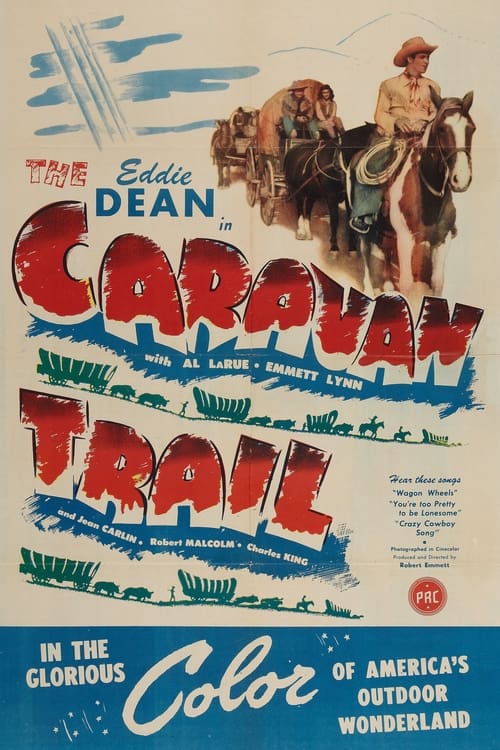
The Caravan Trail
1946
No user ratings available yet
Diversity score: 1.2 out of 10

1941
ApprovedDirector
Robert Emmett Tansey
Runtime
60 minutes
Average Rating
No ratings yetSynopsis
Before changing his name to Richard Powers, cowboy hero Tom Keene spent the waning days of his stardom at Monogram, churning out westerns like Riding the Sunset Trail. When ingenue Betty Dawson (Betty Miles) and her kid sister Sugar (Sugar Dawn) are cheated out of their cattle ranch, Tom Sterling (Keene) and his sidekick Mendoza (Frank Yaconelli) vow to get the ranch back for the girls. This requires Sterling to cross six-guns with Pecos Dean (Gene Alcase), a former friend who'd turned bad.
Overall Score
Limited
Category Breakdown
LGBTQ+ Representation
The film lacks any depiction of non-cisnormative identities or same-sex intimacy. It adheres to the heteronormative structures common in 1940s Westerns.
Gender Representation
Female characters Betty and Sugar Dawson serve as plot catalysts but lack agency. They are positioned as passive victims requiring male intervention to reclaim their ranch.
Racial & Ethnic Diversity
Mendoza provides some ethnic diversity as a supporting character. However, the narrative remains centered on Anglo-American archetypes and traditional white-centric storytelling.
Religious & Cultural Diversity
The story follows a rigid, traditional Western morality. It focuses on individualistic justice and property rights rather than exploring complex cultural or systemic critiques.
Disability Representation
There are no visible or invisible disabilities depicted. No characters are identified as having physical impairments or neurodivergent traits.
Strengths
Areas for Improvement
AI Analysis
Riding the Sunset Trail is a quintessential B-Western that prioritizes formulaic storytelling and traditional archetypes. The narrative relies on clear moral dichotomies and established social hierarchies, offering little room for systemic critique or intersectional complexity. The film's structure reinforces conventional gender roles through the damsel-in-distress trope. While women drive the initial conflict, the resolution is entirely dependent on male protagonists, maintaining a standard hierarchy of the era. Diversity is limited to surface-level inclusion, such as the character Mendoza. The film functions as a mass-market product designed for stability rather than social subversion.
1946
1934
1946
1945
1934
1951
1934
1945
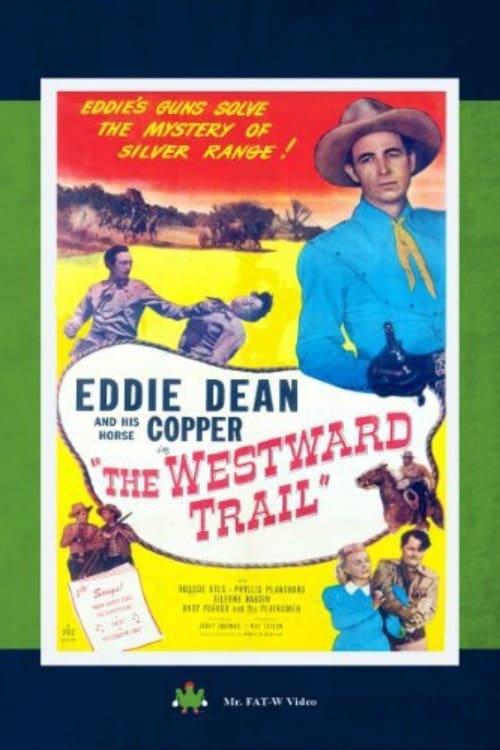
1948

1947
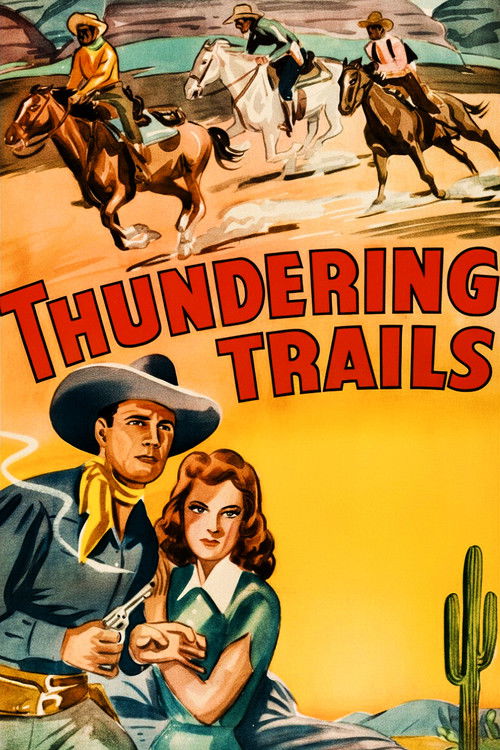
1943
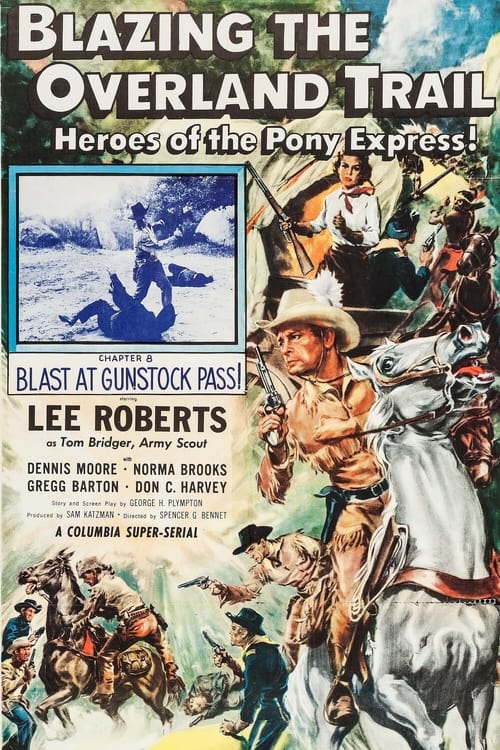
1956
No reviews yet. Be the first to share your thoughts on this movie!
Use the rating form above to leave a star rating and optional review.