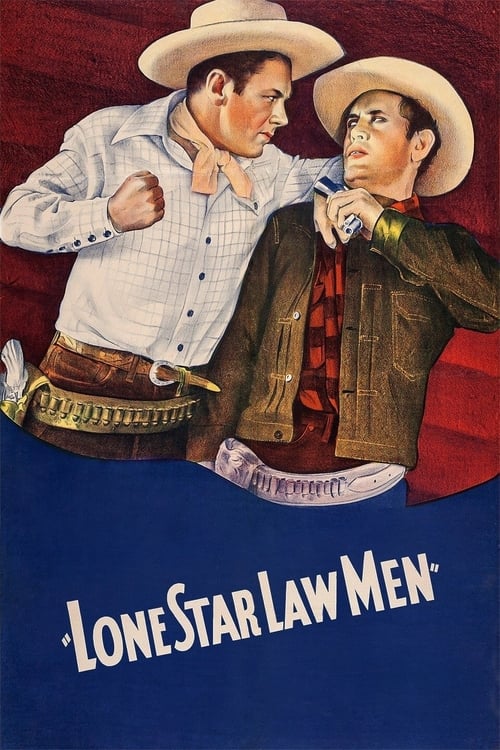
Lone Star Law Men
1941
No user ratings available yet
Representation score: 0.6 out of 10
Representation Score
Minimal
1943
ApprovedDirector
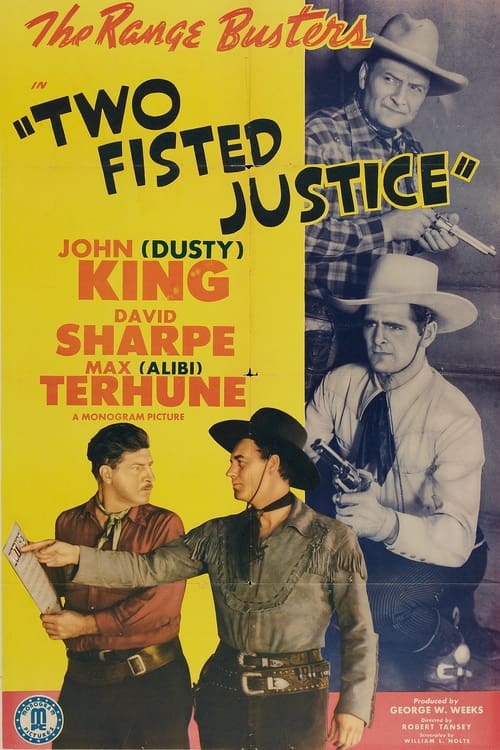
Robert Emmett Tansey
Runtime
54 minutes
Average Rating
No ratings yetNew Showbiz Analysis
Two Fisted Justice is a typical B-Western that prioritizes traditional genre conventions over social complexity. The narrative follows a standard mission where institutional authority is used to restore order to a lawless town. Representation is heavily skewed toward a singular, traditional viewpoint. The film reinforces mid-20th-century social hierarchies, focusing on male-driven law enforcement and the expansion of established Western institutions. Ultimately, the work functions as a reinforcement of the status quo. It lacks the intentionality or narrative depth required to challenge conventional expectations regarding gender, race, or cultural authority.
Category Breakdown
The film does not include any LGBTQ+ characters or narratives that question the assumption that everyone is straight or cisgender. It stays true to the era's genre conventions, offering no critique of heteronormativity.
Real power is primarily given to three male cowboys. Female characters likely play passive or domestic roles, reinforcing traditional masculine leadership and protector archetypes.
The film likely centers on white protagonists with few exceptions. Diverse characters often appeared in this genre but typically had limited roles in the story.
The plot celebrates Western expansion and the triumph of institutional authority. It upholds the establishment of civil order through Wells Fargo without challenging existing power structures.
There is no indication of characters with disabilities being portrayed with real power. The B-Western genre of this period rarely explored physical impairment through a nuanced lens.
Present on Screen
Limited or Absent
Official Synopsis
Wells Fargo hires three cowboys to clean up a lawless town.
1941
1939
1946
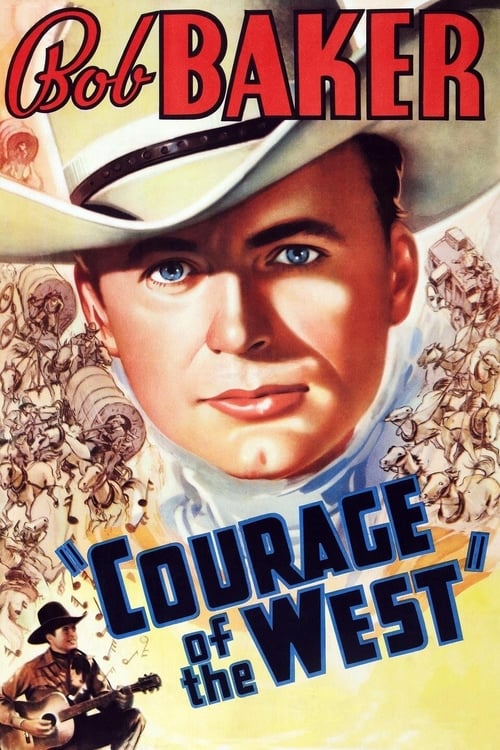
1937
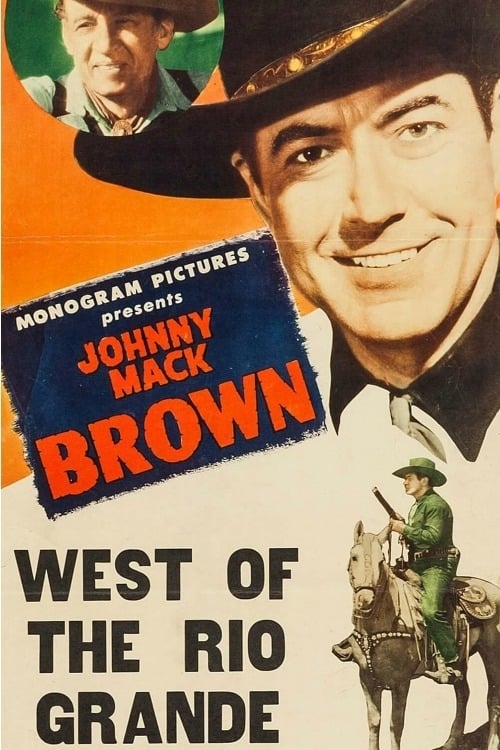
1944
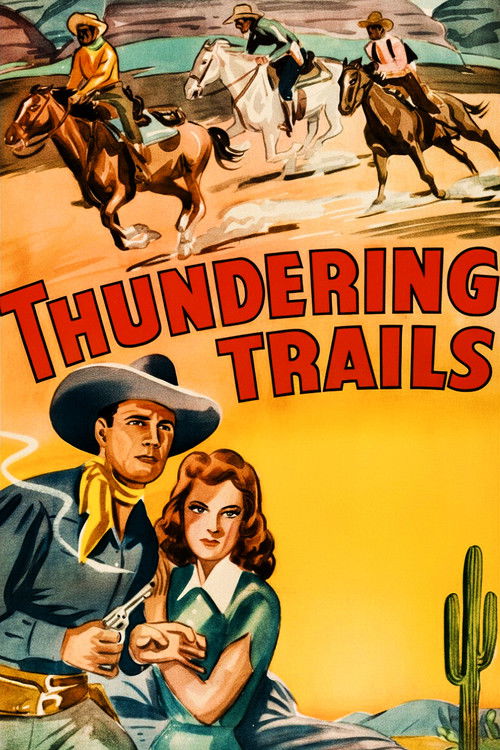
1943
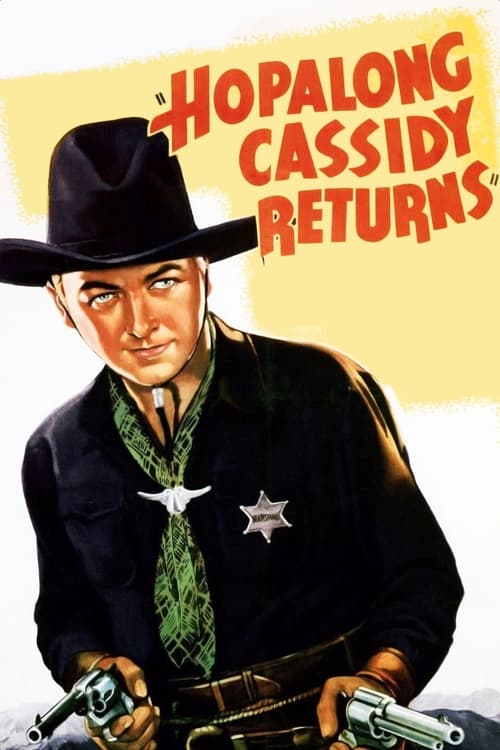
1936

1934
No reviews yet. Be the first to share your thoughts on this movie!
Use the rating form above to leave a star rating and optional review.