
Woyzeck
1979
No user ratings available yet
Diversity score: 4.7 out of 10
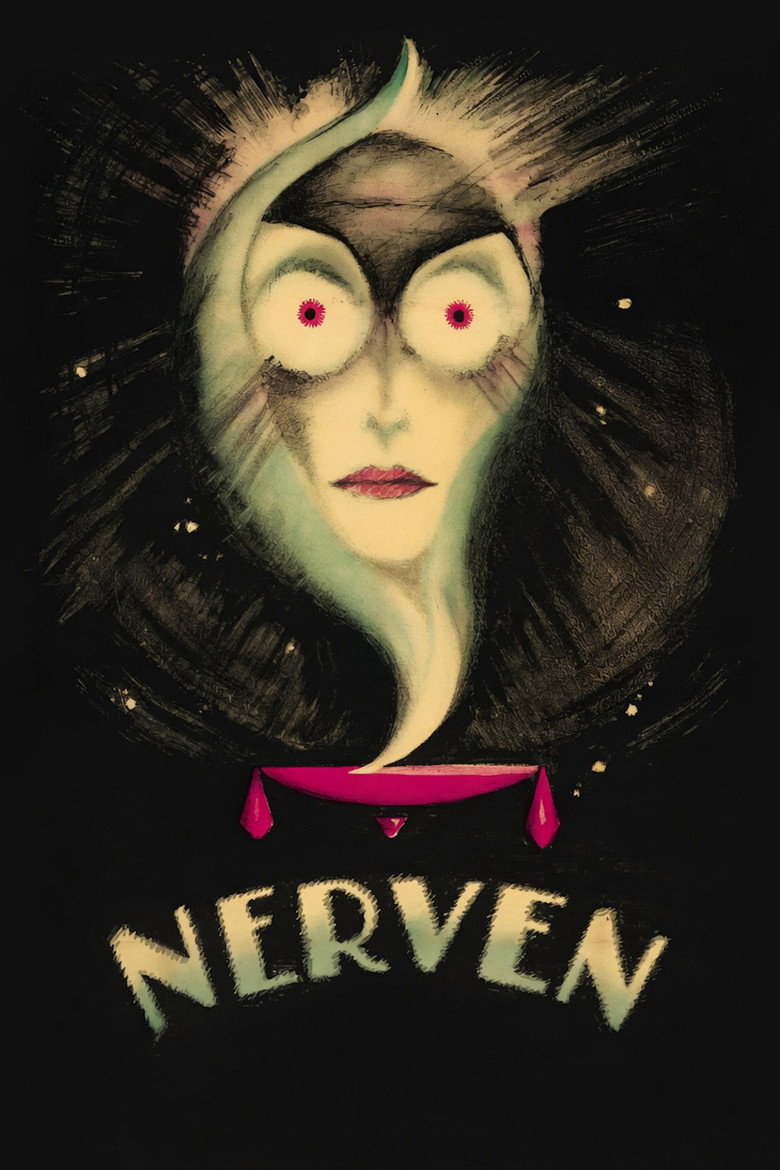
1919
Director
Robert Reinert
Runtime
110 minutes
Average Rating
No ratings yetSynopsis
The film tries to capture the "nervous epidemic" caused by war and misery which "drives people mad". This unique portrait of the life in 1919 Germany, filmed on location in Munich, describes the cases of different people from all levels of society: Factory owner Roloff, who loses his mind in view of catastrophies and social disturbances; teacher John, who is the hero of the masses; and Marja who turns into a radical revolutionary.
Overall Score
Fair
Category Breakdown
LGBTQ+ Representation
The film lacks explicit evidence of LGBTQ+ characters or non-cisnormative identities. It focuses instead on a broad psychological epidemic affecting the general population.
Gender Representation
Marja provides a strong departure from traditional hierarchies as a radical revolutionary with significant political agency. While male characters hold traditional roles, their psychological collapse subverts the trope of the stable male leader.
Racial & Ethnic Diversity
The cast appears to reflect the demographic homogeneity of 1919 Munich. There is no evidence of multi-ethnic or non-Anglo-Saxon casting within the narrative.
Religious & Cultural Diversity
The film excels in its critique of established social and institutional structures. It uses character arcs to highlight class struggle and the instability of traditional capitalist hierarchies.
Disability Representation
Psychological distress is treated as a systemic consequence of societal collapse rather than a moral failing. The film presents mental health as a collective, lived experience.
Strengths
Areas for Improvement
AI Analysis
Robert Reinert’s *Nerves* is a sophisticated study of psychological fragmentation in post-war Germany. It avoids traditional heroism, instead using a multi-perspective architecture to show how social instability drives individuals toward madness across different socioeconomic classes. The film's strength lies in its systemic critique. By portraying characters like a factory owner and a radical revolutionary, it deconstructs the idea of a stable social fabric and challenges the authority of traditional institutions. However, the work is limited by the demographic homogeneity of its historical setting. While its narrative themes are progressive, the lack of racial and LGBTQ+ representation reflects the era's narrow social lens.
1979
1979
1927
1980
1913
1929

2009
1925
1932
1982

1929
1946
No reviews yet. Be the first to share your thoughts on this movie!
Use the rating form above to leave a star rating and optional review.