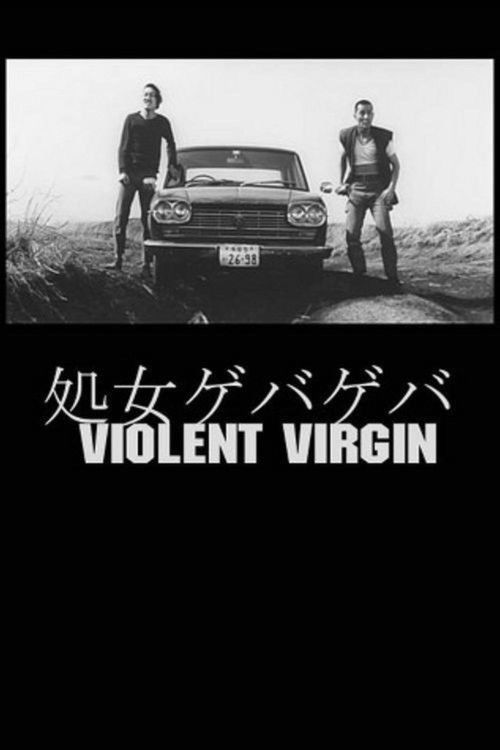
Violent Virgin
1969
No user ratings available yet
Representation score: 6.1 out of 10

Representation Score
Excellent
1967
Director
Kōji Wakamatsu
Runtime
56 minutes
Average Rating
No ratings yetNew Showbiz Analysis
Violated Angels is a provocative work of the Japanese New Wave that uses the pink film genre to challenge social and moral hierarchies. It excels in its subversion of gender roles, moving away from submissive femininity to explore female empowerment amidst systemic exploitation. However, the film's impact is limited by a lack of explicit LGBTQ+ representation and multi-ethnic diversity. While culturally authentic to its Japanese roots, it remains a specific, localized critique rather than a diverse global narrative. Ultimately, the film's strength lies in its aggressive anti-capitalist sentiment and its refusal to uphold traditional morality, making it a significant study of how systemic forces shape identity.
Category Breakdown
The film does not include explicit representations of LGBTQ+ identities or same-sex romantic relationships. While it touches on sexual liberation, it focuses more on gendered exploitation than on queer visibility.
Wakamatsu disrupts traditional hierarchies by centering female experiences of trauma and empowerment. The film challenges patriarchal stability by portraying masculine sexual consciousness as a source of instability.
The cast is predominantly Japanese, offering a high level of cultural authenticity. However, the film lacks the multi-ethnic diversity found in more globally inclusive cinema.
The narrative provides a sophisticated critique of modern institutions and urban capitalism. It portrays traditional social orders as dehumanizing forces through a lens of nihilism.
Psychological trauma and social alienation are explored as thematic elements. These conditions sometimes function as plot devices rather than as ability to act-driven portrayals of disability.
Present on Screen
Limited or Absent
Official Synopsis
Based on the factual case of a young man who broke into a nurses' home in Chicago, mutilating and killing several of the inmates, Wakamatsu's film is a precise, sad delineation of a particular aspect of masculine sexual consciousness.
1969

1960
1976

1969

1968

1980
1977
1977
No reviews yet. Be the first to share your thoughts on this movie!
Use the rating form above to leave a star rating and optional review.