
Assault! Jack the Ripper
1976
No user ratings available yet
Representation score: 0.5 out of 10
Representation Score
Good
1969
Director
Kōji Wakamatsu
Runtime
66 minutes
Average Rating
No ratings yetNew Showbiz Analysis
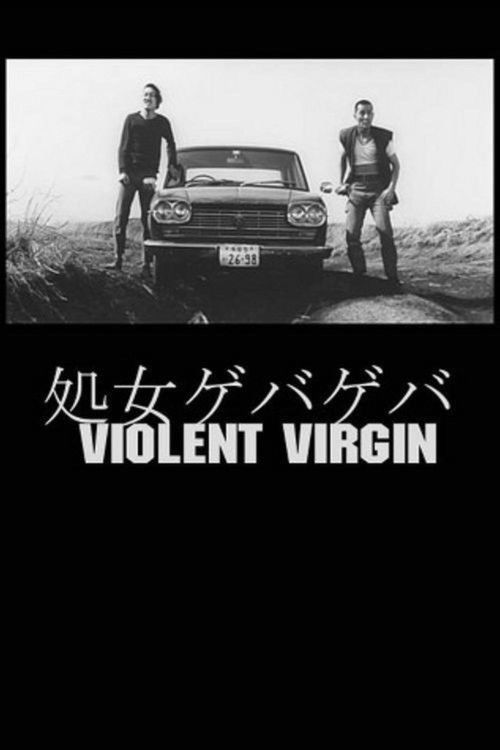
Kōji Wakamatsu’s *Violent Virgin* is a transgressive work that challenges traditional social hierarchies. By replacing conventional moralities with a landscape of lawlessness, the film questions the stability of the nuclear family and established authority figures. The film stands out by subverting traditional gender roles and critiquing institutional stability. It employs counter-cultural symbols, such as free jazz, to signify a rejection of organized social structures. However, the film lacks explicit representations of queer identities and does not provide narrative focus on characters with disabilities. Its focus remains primarily on a specific subculture within a Japanese context.
Category Breakdown
The film explores non-traditional social structures through volatile human connections, moving away from the assumption that everyone is straight or cisgender. Queer identity is mostly implied rather than explicitly stated.
Women are shown taking intense, chaotic roles rather than passive ones. The film breaks down traditional masculine archetypes by subjecting male characters to the same indignities as their partners.
The film highlights a underrepresented hipster subculture that diverges from traditional Japanese norms. It emphasizes counter-cultural identity over established social orders.
The narrative critiques Western stability and the nuclear family through situational ethics. Free jazz symbolizes a rejection of organized, traditionalist social rhythms.
The film does not feature characters with visible or invisible disabilities as central narrative drivers.
Present on Screen
Limited or Absent
Official Synopsis
A bunch of young hipsters kidnaps a loving couple and keeps them trapped in a barren landscape. To the sounds of free jazz they are performing various experiments with the couple. In the distance is a yakuza gang keeping track of the youths. Who are really experimenting with whom?
1976

1969
1966

1976

1969

1967

1969
1967
No reviews yet. Be the first to share your thoughts on this movie!
Use the rating form above to leave a star rating and optional review.